EV Range Is Not Just About the Battery
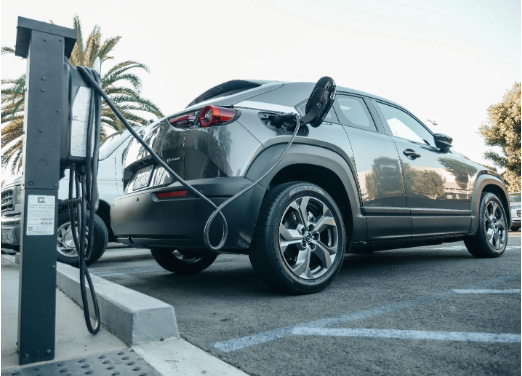
The average range for an EV vehicle does depend on the make and the vehicle’s design, however other factors do affect its range. A likely reducer of an EV’s range tends to be the battery capacity. A larger battery can generally store more energy, so it seems logical to assume that it will always carry a vehicle farther. Yet two EVs with similarly sized battery packs can deliver noticeably different results on the road. Range is shaped by the entire vehicle, the conditions surrounding it, and the factor many drivers forget, the way it is driven.
Understanding those influences helps drivers make more realistic comparisons. It also explains why an EV may achieve its estimated range on one journey but fall short on another.
Efficiency Matters as Much as Capacity
The size of the vehicle’s battery tells drivers how much energy an EV can hold. But the efficiency shows how effectively the vehicle uses it.
A heavy, powerful electric SUV may have a large battery and still travel less efficiently than a smaller sedan with a more modest pack. The weight of the vehicle, the motor design, power-management software and aerodynamic shape all affect how much energy is needed to cover each mile.
Tires Can Change How Far an EV Travels
Tires play a fundamental role in a vehicle’s performance. More than what the average driver understands. If a tire is simply underinflated, it can create additional drag which forces the motor to work harder.
Aggressive tread patterns, wide designs, and heavier wheel-and-tire combinations may also reduce efficiency, even when they improve appearance or performance. Drivers considering replacements or browsing Firestone tire deals should check that a tire has the correct size, load rating, and characteristics for their EV. Performing regular pressure checks and proper wheel alignment can help preserve range while supporting safe, predictable handling.
Temperature Alters Battery Performance
Weather tends to place a large influencing factor. Lithium-ion batteries tend to operate most efficiently within a preferred temperature range. Cold conditions slow the chemical reactions inside the battery, while cabin heating draws additional energy. Hot weather can also increase consumption when the air-conditioning system and battery-cooling system are working hard.
Many EVs use thermal-management systems to reduce these effects, and preconditioning can warm or cool the cabin while the vehicle remains connected to a charger. Even so, drivers should expect seasonal variation rather than treating the official range estimate as a guaranteed figure in every situation.
Speed and Driving Style Make a Difference
When it comes to EV vehicles, they usually use more energy at sustained highway speeds because aerodynamic resistance rises rapidly as speed increases. Quick acceleration can also consume more power, particularly in larger performance-oriented models. Smooth inputs and moderate speeds tend to produce more efficient results.
Regenerative braking can recover energy during deceleration, but it cannot replace everything already used to build speed. Its benefits are often greatest in stop-and-go traffic, where frequent slowing provides more opportunities for recovery. On an uninterrupted highway journey, those opportunities are limited.
Passengers, Cargo, and Accessories Add Demand
Real-world range also changes with the work a vehicle is being asked to do. Extra passengers within the vehicle and luggage increase the weigh on the vehicle and Roof boxes and bike racks disrupt airflow, creating more aerodynamic drag. Towing can have an even greater effect because the EV must move additional mass through the air.
Using the functions within the cabin of the vehicle itself also uses energy. Whether this is using the heating elements, cooling systems, window defogging and other electrical systems; they all draw from the same stored energy, the same used to power the driving. No single accessory necessarily causes a dramatic loss, but several demands combined can become noticeable over a long trip.
Software Helps Coordinate the Whole Vehicle
Modern EVs rely on software to manage power delivery, regenerative braking, battery temperature, and route planning. Updates may refine these systems and improve how efficiently energy is used. Navigation software can also consider elevation, weather, charging stops, and expected consumption when planning a journey.
Range Is a Whole-Vehicle Conversation
The battery does remain the central factor impacting the range to electric vehicles, but it is only the starting point. The aerodynamics of the vehicle, its temperature, speed, weight tires, internal software and additional accessories attached to the vehicle all influence the distance available from the vehicles last charge. That is why drivers should view an official range figure as a standardized comparison rather than a promise.
The most useful question is not simply how large the battery is. It is how intelligently the entire vehicle turns stored energy into miles under the conditions that matter to its owner during regular daily and long-distance driving.