How to Create a Timeless Mission-Style Living Room: Furniture, Layout, and Decorating Ideas
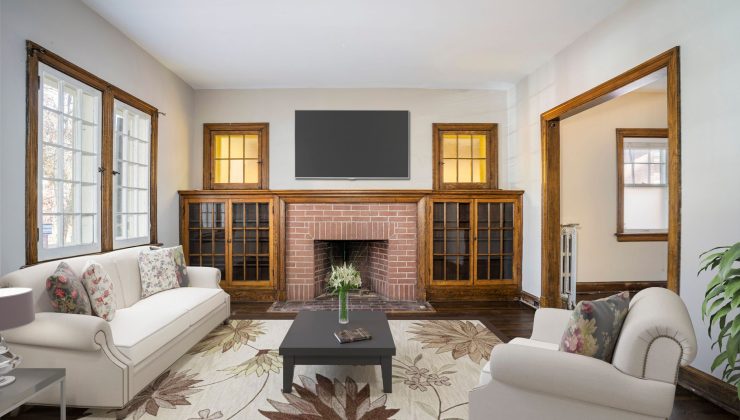
A living room should feel comfortable enough for everyday life while reflecting the personality and taste of the people who live there. Some interiors achieve this through bold colors and dramatic decoration. Others rely on simpler elements: natural materials, thoughtful proportions, beautiful craftsmanship, and furniture designed to be used for years. Mission style belongs firmly in the second category.
Inspired by the American Arts and Crafts movement, Mission-style design celebrates practical construction, honest materials, and understated beauty. Its recognizable features include straight lines, substantial wooden frames, vertical slats, flat panels, and visible joinery. Rather than hiding how a piece is made, this furniture often makes craftsmanship part of the design.
Although Mission furniture has a strong historical identity, it does not have to make a modern home feel like a period room. With comfortable upholstery, carefully chosen lighting, natural textiles, and a balanced layout, it can create a living room that feels both timeless and current.
Whether you are furnishing a new home or updating an existing space, this guide explains how to bring Mission-style character into your living room without sacrificing comfort or flexibility.
1. Understand What Makes Mission Style Distinctive
Mission style developed alongside the American Arts and Crafts movement in the late nineteenth and early twentieth centuries. It emphasized craftsmanship, functional design, and natural materials rather than elaborate ornamentation.
The style is easy to recognize once you know what to look for.
Straight, clean lines: Mission furniture typically uses strong horizontal and vertical lines instead of elaborate curves or decorative carving.
Solid wooden construction: Oak is especially associated with the style. Its grain and natural character become important visual features rather than details hidden beneath decoration.
Vertical slats and flat panels: Chair backs, sofa sides, cabinet doors, and other furniture components often incorporate repeated slats or simple panels.
Visible craftsmanship: Exposed joints and structural details can become decorative features in their own right.
Practical proportions: Pieces tend to look sturdy and substantial, but good design still depends on balance and usability.
These characteristics create a room that feels grounded and orderly. The furniture has presence without requiring excessive decoration, making it particularly appealing to homeowners who appreciate natural materials and long-lasting design.
2. Choose the Right Mission-Style Seating
Seating is usually the largest investment in a living room, so it is a good place to establish the overall style.
A Mission-style sofa often features a solid wooden frame, broad arms, straight lines, and visible side details. Depending on the design, the frame may include vertical slats or exposed joinery that highlights its construction.
When selecting a sofa, consider how the proportions relate to your room. A substantial wooden frame can create a strong focal point, but it should not block walkways or overwhelm a smaller space.
When planning a comfortable and cohesive space, explore mission style living room furniture to find timeless wooden seating and complementary pieces that bring warmth, craftsmanship, and character to your living room.
Select Upholstery for Everyday Comfort
Traditional Mission interiors often use leather, woven fabrics, and understated upholstery colors. Brown, tan, camel, olive, and muted neutral shades work particularly well with oak and other warm wood finishes.
Leather can introduce a rich, classic appearance, while linen-like or textured fabrics can make the room feel lighter and more relaxed. The best choice depends on your household, how frequently the sofa will be used, and how much maintenance you are comfortable with.
Add a Complementary Armchair
An armchair can introduce another layer of comfort without disrupting the design. Look for a chair with a wooden frame, simple arms, and a backrest that echoes the sofa’s lines.
You do not need every seat to come from the same collection. A complementary accent chair can make the room feel more personal, especially when its upholstery shares a color or texture with the sofa.
3. Build the Room Around a Well-Proportioned Coffee Table
The coffee table is more than a convenient surface for drinks and books. It connects the seating arrangement and helps establish the visual balance of the room.
Mission-style coffee tables commonly feature substantial wooden legs, simple rectangular or square tops, and straightforward structural details. Some designs include lower shelves or drawers for practical storage.
When choosing one, consider the size of your sofa and the available walking space. A coffee table that is too large can make the seating area feel cramped, while one that is too small may appear disconnected from the rest of the furniture.
As a general starting point, choose a table close to the height of the sofa seat or slightly lower. Leave enough space around it for people to sit down and move comfortably.
A wooden coffee table with a natural or medium-dark finish can create a strong connection between the sofa frame, side tables, and other wooden elements in the room.
4. Select Wood Finishes That Create Warmth and Consistency
Wood is central to Mission-style interiors, so the choice of finish has a significant effect on the atmosphere of the room.
Oak is a traditional favorite because its distinctive grain works beautifully with the style’s straightforward construction. Quarter-sawn white oak is particularly associated with classic Mission furniture, while other hardwoods can offer different colors and grain patterns.
Light and Natural Finishes
Lighter wood finishes can make a room feel more open and relaxed. They work well with pale walls, natural fabrics, and contemporary accessories.
This approach is useful if you like Mission design but want to avoid a room that feels too dark or formal.
Medium and Dark Finishes
Medium-brown and darker finishes create a richer, more traditional atmosphere. They can emphasize the furniture’s strong lines and give the room a sense of permanence.
To keep the space from feeling heavy, balance darker furniture with lighter upholstery, soft wall colors, and adequate lighting.
Mixing Different Wood Tones
A living room does not need to contain one identical wood finish throughout. Different tones can work together when they share compatible undertones or a consistent level of warmth.
For example, a darker coffee table can contrast with lighter flooring, while a natural wood side table can soften a room with darker seating. The goal is to create visual harmony rather than make every wooden surface match perfectly.
5. Use Side Tables and Storage to Make the Room Functional
A well-designed living room needs more than seating. Side tables, media furniture, bookcases, and storage cabinets help the space work for everyday life.
Mission-style side tables are particularly useful because their clean lines and substantial frames complement sofas and armchairs. Place one beside the main seating area to hold a lamp, reading material, or everyday essentials.
If your room needs additional storage, consider a wooden cabinet or bookcase with simple panel doors and understated hardware. These pieces can provide useful organization while reinforcing the room’s design language.
Think about storage based on how you actually use the space:
- Use closed cabinets to keep electronic accessories and miscellaneous items out of sight.
- Choose open shelving for books, ceramics, and carefully selected decorative pieces.
- Place smaller tables near frequently used seats for convenience.
- Avoid filling every available wall with furniture; leave some open space to preserve visual balance.
Functional storage is especially valuable in smaller homes, where every furniture piece should contribute something useful.
6. Create a Comfortable Layout That Encourages Conversation
Even beautiful furniture can feel uncomfortable if it is arranged poorly. A good living room layout should make conversation easy, preserve walking paths, and give each seating area a clear purpose.
Start by identifying the room’s focal point. This might be a fireplace, a large window, a media unit, or an architectural feature.
Arrange the main sofa and chairs so people can comfortably face one another without having to turn awkwardly. In larger rooms, a pair of armchairs opposite the sofa can create a balanced conversation area.
In smaller rooms, avoid pushing too many substantial pieces into the same space. A compact sofa, one well-chosen armchair, and a modest coffee table may provide everything you need.
Remember to leave enough clearance around furniture for people to move naturally. The visual weight of Mission-style pieces makes thoughtful spacing particularly important.
7. Choose Colors That Complement Natural Wood
The Mission-style color palette generally draws inspiration from nature. Warm neutrals, muted greens, earthy reds, deep browns, and golden tones can all complement the wood’s natural character.
Warm Neutrals for a Relaxed Background
Cream, beige, warm white, and soft taupe are useful wall colors because they allow wooden furniture to stand out without making the room feel visually busy.
These shades also provide flexibility if you decide to change upholstery or decorative accessories later.
Earthy Greens and Muted Blues
Olive, sage, forest green, and muted blue can introduce color while maintaining a calm atmosphere. These shades work particularly well in cushions, rugs, curtains, and occasional chairs.
Rich Accent Colors
Rust, burgundy, mustard, and deep terracotta can add warmth and personality. Use them selectively rather than covering every surface with strong color.
A few carefully chosen accents are often enough to make a Mission-style living room feel distinctive.
8. Layer Lighting for a Warm, Inviting Atmosphere
Lighting helps bring out the natural textures and craftsmanship of Mission furniture. A single ceiling light rarely creates the most comfortable atmosphere, particularly in a living room used for different activities.
Instead, combine several light sources.
Table lamps: Place them on side tables or console tables to create comfortable pools of light for reading and relaxing.
Floor lamps: These are useful beside armchairs or in corners where additional illumination is needed without taking up much tabletop space.
Ceiling fixtures: Choose a design that complements the room’s architectural style. Metal details, geometric forms, and simple glass shades can work particularly well.
Accent lighting: Small lights can highlight bookcases, artwork, or architectural details without making the entire room brighter.
Stained glass shades can introduce color and handcrafted character, particularly when their patterns use simple geometric shapes. However, keep decorative lighting balanced with the furniture rather than allowing it to compete for attention.
Warm white bulbs generally help create a comfortable residential atmosphere. Consider using separate switches or dimmers where possible so the lighting can adapt to different activities.
9. Add Rugs, Curtains, and Textures Without Overdecorating
Mission-style interiors benefit from natural materials and layered textures. Rugs, curtains, cushions, and throws make the room feel more comfortable while softening the visual weight of solid wood furniture.
A wool or flatweave rug can help define the seating area and introduce subtle pattern. Geometric designs, simple botanical motifs, and earthy colors can complement the Arts and Crafts influence.
Curtains in linen, cotton, or other natural-looking fabrics can soften windows without drawing attention away from the furniture. Choose patterns carefully; understated designs usually work better than busy prints.
Cushions and throws offer an easy way to introduce seasonal color. Olive, rust, cream, and muted gold are useful choices for a room with warm wood finishes.
The key is to use texture to add comfort rather than adding decoration simply to fill empty surfaces.
10. Bring Mission Style into a Modern Home
One reason Mission design remains appealing is that its basic principles are easy to combine with contemporary interiors. You do not need to recreate a historically accurate room to enjoy its craftsmanship and natural materials.
Mix Traditional Furniture with Modern Accessories
A solid wooden Mission-style coffee table can work beautifully with a contemporary sofa, while a classic armchair can add character to a minimalist room.
Choose accessories with simple shapes and avoid introducing too many competing decorative styles.
Keep the Background Light
White, warm gray, and soft neutral walls can make substantial wooden furniture feel more approachable. This is especially helpful in apartments and rooms with limited natural light.
Use Modern Storage Solutions
A Mission-inspired cabinet can sit alongside modern media equipment and practical storage accessories. The contrast between traditional craftsmanship and contemporary function can make the room feel relevant rather than dated.
Leave Space Around Important Pieces
Mission furniture deserves room to be appreciated. Instead of filling every corner, allow the most distinctive pieces to stand out.
11. Avoid Common Mission-Style Decorating Mistakes
A few simple decisions can make the difference between a balanced living room and one that feels overly heavy or old-fashioned.
Choosing furniture that is too large: Mission pieces can have substantial frames. Always measure the room and consider the space needed for movement.
Using dark finishes everywhere: Dark wood can look beautiful, but too much of it may make a small room feel closed in. Balance it with lighter textiles, walls, and rugs.
Matching every piece too closely: A room filled with identical furniture can feel like a showroom. Introduce variation through upholstery, accent chairs, and complementary wood tones.
Overusing decorative accessories: Mission style emphasizes simplicity and craftsmanship. Too many ornaments can distract from the furniture itself.
Ignoring comfort: A beautiful sofa still needs supportive cushions and suitable seating depth. Choose pieces that work for your everyday routine.
Poor lighting: Dark furniture needs thoughtful illumination. Layer table lamps, floor lamps, and ceiling fixtures to make the room feel warm rather than gloomy.
12. How to Choose Mission Furniture That Will Last
Furniture is an investment, so appearance should never be the only consideration. Look closely at the construction and materials before making a purchase.
Check the type of wood used and whether the product description clearly distinguishes solid wood from veneers or engineered materials. Both can have a place in a home, but buyers should understand what they are purchasing.
Pay attention to the joints, frame stability, finish quality, and upholstery construction. Exposed joinery can be a distinctive feature of Mission furniture, but it should also be well executed.
For sofas and armchairs, consider cushion support, fabric or leather durability, and whether replacement or maintenance services are available. For tables and cabinets, examine drawer movement, hardware, and the stability of the frame.
Finally, think about how the piece will fit into your home over time. A versatile design with comfortable proportions and a finish you genuinely enjoy is more likely to remain part of your living room for years.
Frequently Asked Questions About Mission-Style Living Rooms
What are the main characteristics of a Mission-style living room?
A Mission-style living room typically features solid-looking wooden furniture, straight lines, flat panels, vertical slats, simple hardware, and natural materials. The overall appearance is practical, warm, and understated, with craftsmanship taking priority over elaborate decoration.
What wood is most commonly used for Mission furniture?
Oak is strongly associated with Mission furniture, particularly quarter-sawn white oak. Other hardwoods can also be used, depending on the design and desired finish. The important qualities are attractive grain, appropriate construction, and a finish that complements the room.
Is Mission style the same as Craftsman style?
The terms are closely related and are sometimes used interchangeably in furniture and interior design. Mission style generally refers to a particular furniture aesthetic characterized by straight lines, sturdy construction, and simple details, while Craftsman can describe a broader architectural and decorative approach associated with the Arts and Crafts movement.
Can Mission furniture work in a modern living room?
Yes. Mission furniture can complement modern interiors when paired with simple accessories, lighter wall colors, contemporary upholstery, and uncluttered layouts. Combining traditional wooden pieces with modern elements can create a balanced, individual look.
What colors go best with Mission-style furniture?
Warm neutrals, olive green, muted blue, rust, burgundy, and earthy brown tones work well with natural wood finishes. Lighter wall colors can help balance darker furniture, while carefully chosen accent colors add personality.
How do I make a Mission-style living room feel less dark?
Use lighter upholstery, neutral walls, natural-fiber rugs, and layered lighting. Keep window treatments relatively light and avoid filling every surface with dark wood furniture. A few well-placed pieces often create a stronger effect than furnishing the entire room in matching dark finishes.
How do I decorate a small Mission-style living room?
Choose fewer, well-proportioned pieces rather than trying to fit a complete furniture set into the room. Look for compact seating, practical storage, lighter finishes, and open space around furniture. Mirrors and layered lighting can also help the room feel more spacious.
Final Thoughts
A beautiful Mission-style living room does not depend on elaborate decoration or perfectly matching furniture. Its appeal comes from thoughtful construction, natural materials, comfortable seating, and a sense of balance.
Start with the pieces that matter most: a well-designed sofa, a complementary armchair, and a practical coffee table. Build around them with coordinated wood finishes, warm lighting, natural textiles, and a layout that supports everyday living.
The result can be a living room that feels welcoming without being cluttered, traditional without feeling dated, and carefully designed without appearing overly formal. Most importantly, it will be a space made for living—not simply for looking at.