Choosing the Right Materials for Your Custom Swimming Pool Design
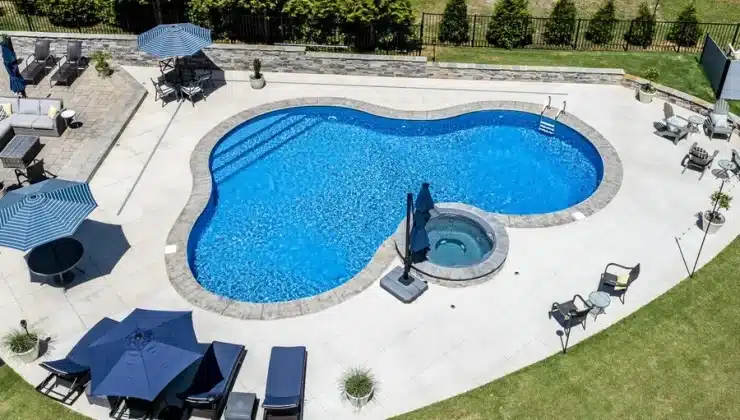
Designing a custom swimming pool is an exciting journey that allows homeowners to bring their vision of a personal oasis to life. One of the most crucial decisions in this process is selecting the materials that will shape the pool’s structure, appearance, and durability. The materials chosen will not only affect the aesthetic appeal but also influence long-term maintenance, safety, and overall cost. Different materials offer distinct textures, finishes, and longevity, making it essential to evaluate their performance under various conditions. We will explore the considerations and options available to make informed choices that align with both design preferences and functional needs, ensuring the pool remains a source of enjoyment for years to come.
Material Selection for Durability and Design
-
Concrete Pools
Concrete has long been a preferred material for custom swimming pools due to its adaptability and strength. One of the main advantages of concrete is its ability to be molded into any shape or size, offering nearly limitless design possibilities. Homeowners can choose from a range of finishes such as plaster, aggregate, or pebble, each creating a unique texture and aesthetic. Concrete pools are extremely durable, capable of withstanding harsh weather conditions and fluctuating temperatures. However, they require a higher initial investment and more maintenance over time, such as regular resurfacing and chemical balancing. Despite this, the flexibility in design, combined with longevity, makes concrete a popular choice for homeowners seeking a tailored pool experience that can include built-in features like spas, waterfalls, or complex geometries. For more ideas on remodeling and designing concrete pools, visit https://nassaupoolsandspas.com/pool-remodel/.
-
Fiberglass Pools
Fiberglass offers a smoother, pre-formed option that simplifies installation and reduces long-term upkeep. Fiberglass shells are manufactured in controlled environments and delivered as a single unit, which allows for a quicker construction timeline compared to concrete pools. One notable advantage is the non-porous surface, which resists algae growth and reduces the need for frequent cleaning and chemical adjustments. Fiberglass pools are also more forgiving in terms of minor shifting in soil, reducing the risk of cracks. While the selection of shapes and sizes is limited to factory designs, modern manufacturers provide a wide variety of layouts that can meet many homeowners’ preferences. For those who value efficiency, durability, and lower maintenance without sacrificing elegance, fiberglass presents a compelling choice for a custom pool design.
-
Vinyl Liner Pools
Vinyl liner pools provide another alternative, offering a combination of cost-effectiveness and flexibility in design. These pools use a reinforced vinyl sheet to form the interior surface, which is installed over a framework of steel, polymer, or concrete walls. One of the appealing aspects of vinyl liners is the wide range of patterns and colors available, allowing homeowners to achieve a unique look without significant additional costs. The liner can be replaced periodically, providing the opportunity to refresh the pool’s appearance over time. While vinyl pools are generally less expensive to construct initially, they may be more prone to punctures or tears, requiring careful use and occasional repairs. Nonetheless, they remain a versatile option for those looking to create an attractive and adaptable pool environment on a budget.
-
Natural Stone and Tile Finishes
Incorporating natural stone or decorative tiles into a pool design elevates the visual impact while enhancing the structural integrity of the pool’s interior. Stone coping and accents add a touch of elegance and blend seamlessly with the surrounding landscapes. Tiles, whether glass, ceramic, or porcelain, allow for intricate patterns and color schemes, making it possible to personalize the pool with artistic flair. Beyond aesthetics, tiles provide a smooth, long-lasting surface that resists staining and chemical erosion, which can help maintain the pool’s pristine appearance over time. Careful selection of slip-resistant tiles also contributes to safety around the pool area. These materials often involve higher upfront costs but offer durability and visual appeal that can significantly enhance the overall value and enjoyment of the swimming pool.
-
Sustainable and Innovative Materials
Modern pool design increasingly incorporates sustainable and innovative materials to reduce environmental impact and enhance energy efficiency. Materials such as recycled glass aggregates, composite decking, or energy-efficient liners contribute to a greener construction approach. Additionally, incorporating materials that retain heat or reflect sunlight can improve energy conservation by reducing the need for constant heating. Selecting environmentally conscious materials also demonstrates a commitment to responsible home design, which is becoming an important consideration for many homeowners. While these options may require additional research and investment initially, they provide long-term benefits that align with modern standards of sustainability and performance, making them a valuable component of a thoughtfully designed custom swimming pool.
Choosing the right materials for a custom swimming pool requires careful consideration of durability, maintenance, aesthetics, and long-term performance. Concrete, fiberglass, and vinyl offer distinct benefits, with concrete excelling in design flexibility, fiberglass providing low maintenance, and vinyl allowing budget-conscious customization. Decorative options such as stone and tile enhance both appearance and functionality, while sustainable materials address environmental concerns and energy efficiency.
By evaluating each material’s characteristics and aligning them with personal preferences, homeowners can create a pool that not only complements their property but also delivers years of enjoyment. Thoughtful material selection ensures that the custom swimming pool remains a lasting, visually appealing, and functional addition to the home.