Eco-Friendly Pools: Sustainable Design and Maintenance for the Future
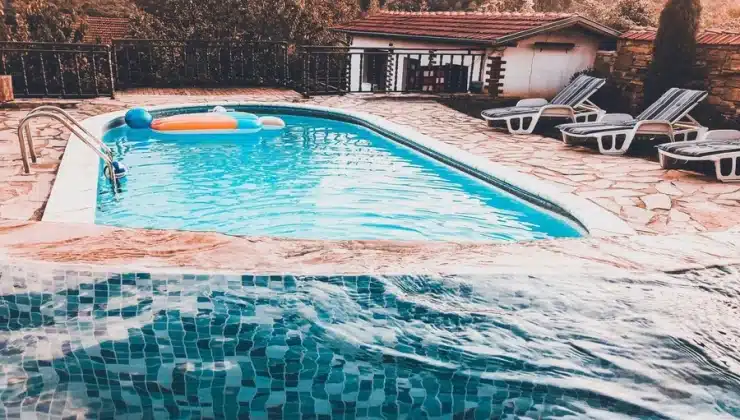
A swimming pool has always symbolized leisure, luxury, and escape. Yet in an age when climate change and environmental responsibility influence every aspect of design, the traditional idea of the backyard or resort pool is evolving. Today’s swimming pools are no longer just blue rectangles shimmering under the sun; they are carefully considered ecosystems, designed to tread lightly on natural resources while offering the same sense of beauty, wellness, and joy. Eco-friendly pools represent not just a trend but a conscious shift toward sustainable living, merging advanced technology with design innovation.
Technical Specs to Consider
The most immediate consideration in sustainable pool design is water use. Traditional pools lose enormous quantities through evaporation, leaks, and inefficient circulation. Contemporary solutions prioritize conservation, beginning with covers that not only reduce debris but also minimize evaporation. Automated retractable systems have become sleek and unobtrusive, fitting seamlessly into a luxury design scheme. For those living in drought-prone regions, rainwater harvesting provides a supplemental source that can keep a pool topped without straining municipal supplies. The integration of cisterns and collection tanks beneath patios or landscaped areas makes water management invisible, a hidden infrastructure that ensures every drop is valued.
Filtration represents another cornerstone of sustainability. The long-standing reliance on chlorine and harsh chemicals is slowly giving way to natural filtration systems. Bio-pools, or natural swimming pools, employ gravel beds, aquatic plants, and carefully calibrated circulation to maintain clarity without the sting of chlorine. The result is water that feels more like a mountain lake than a hotel pool. While these systems require thoughtful design and initial planning, they reward users with reduced maintenance costs and a distinctly natural aesthetic. For those who prefer a more conventional look, saltwater systems offer a middle ground. By generating chlorine naturally from dissolved salt, these systems reduce chemical handling and offer water that is gentler on the skin.
Energy use is equally critical. Pumps, heaters, and lighting are often the hidden energy drains of pool ownership. Advances in high-efficiency pumps and smart automation now allow circulation systems to operate at lower speeds for longer periods, consuming a fraction of the electricity of traditional single-speed motors. Solar heating panels, positioned discreetly on rooftops or garden structures, harness natural energy to extend the swimming season without reliance on fossil fuels. In colder climates, heat pumps that draw energy from ambient air provide a far more efficient option than gas heaters. Together, these innovations mean that the energy footprint of a pool can be reduced dramatically without sacrificing comfort.
Design and Aesthetics
Design also plays a role in sustainability, often in subtle but significant ways. Darker interior finishes absorb and retain heat, reducing the need for mechanical heating. Pool shapes that follow organic curves not only echo nature but can require less water than sprawling rectangles. Landscaping is equally integral: native plants reduce the need for irrigation and create a biodiverse environment around the pool, where butterflies, birds, and pollinators thrive. Materials for decking and finishes are increasingly selected with sustainability in mind. Reclaimed stone, sustainably harvested wood, and recycled glass aggregate offer durability while reducing environmental impact. Even the decorative details can reflect conscious choices, for example, a timeless mosaic border crafted with responsibly sourced materials or eco-friendly finishes that minimize chemical leaching.
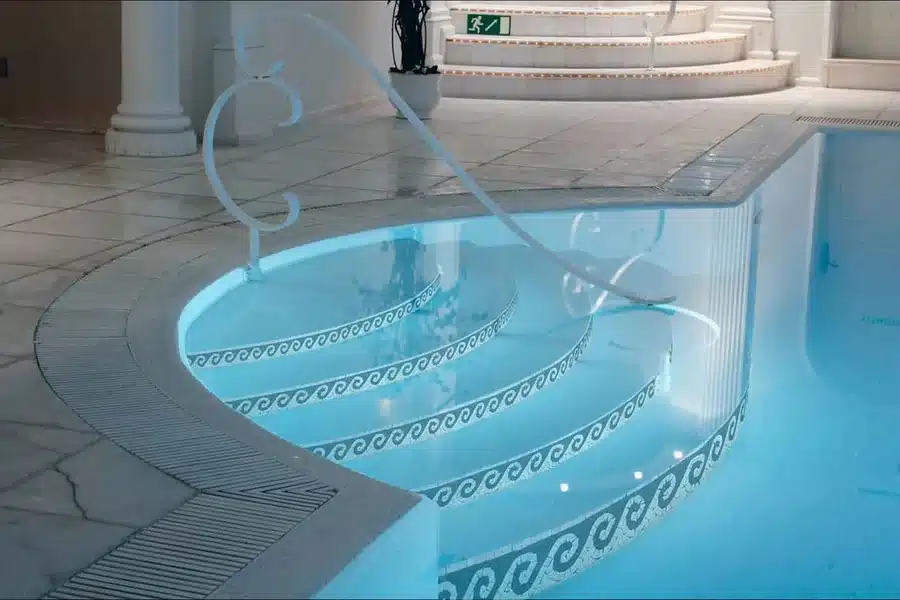
The aesthetic of an eco-friendly pool is not limited to rustic or naturalistic designs. In fact, some of the most striking examples emerge from contemporary minimalism. Sleek edges, infinity designs, and crisp geometric lines pair seamlessly with sustainable technology. Mosaic tiles, long a hallmark of Mediterranean glamour, can be made from recycled glass, adding depth and shimmer to the water while reinforcing the commitment to reuse. In luxury properties, designers are increasingly proving that sustainability and elegance can exist side by side, with no compromise in visual impact.
Additional Elements
Maintenance, traditionally one of the most resource-intensive aspects of pool ownership, is being reimagined. Smart sensors can now monitor chemical balance, temperature, and water levels in real time, sending updates to a homeowner’s phone. These systems reduce waste by ensuring that chemicals and energy are used only when necessary. Robotic cleaners, powered by low voltage, keep surfaces spotless without backwashing gallons of water as traditional systems do. Even lighting has entered a new era, with LED systems replacing incandescent bulbs to provide rich, atmospheric illumination at a fraction of the energy cost.
Public pools and hospitality venues are also embracing this movement, recognizing that sustainability is not only an ethical imperative but also a marketing asset. A hotel pool powered by solar panels and filtered through natural wetlands appeals to guests seeking eco-conscious travel experiences. Municipal pools are turning to variable frequency pumps and water recycling systems to reduce operating costs while meeting sustainability targets. These large-scale applications help normalize the expectation that a pool, like any other architectural element, should align with broader ecological goals.
Culturally, the eco-friendly pool reflects a larger shift in how we view water. Once considered a limitless resource, water is now recognized as precious and finite. A pool designed for sustainability acknowledges this reality, demonstrating respect for nature even in leisure. It challenges the outdated notion that luxury must equal excess. Instead, it suggests a new model of indulgence: one where pleasure is heightened by the knowledge that it does not come at the planet’s expense.
Conclusion
Looking forward, innovation in materials and technology promises even greater advances. Developments in nanotechnology may lead to self-cleaning surfaces that resist algae without chemicals. Enhanced solar storage will allow pools to operate fully off-grid in many climates. Modular systems that integrate with home greywater recycling could further reduce waste, transforming pools into active components of sustainable households. The line between architecture, landscape, and ecological system will continue to blur, with pools at the forefront of this evolution.
Use the promotional code GVPR10 and get a 10% discount on all purchases made from Mozaico website!