Singapore’s Rise as a Global Semiconductor Hub: Infrastructure, Innovation, and Investment Opportunities
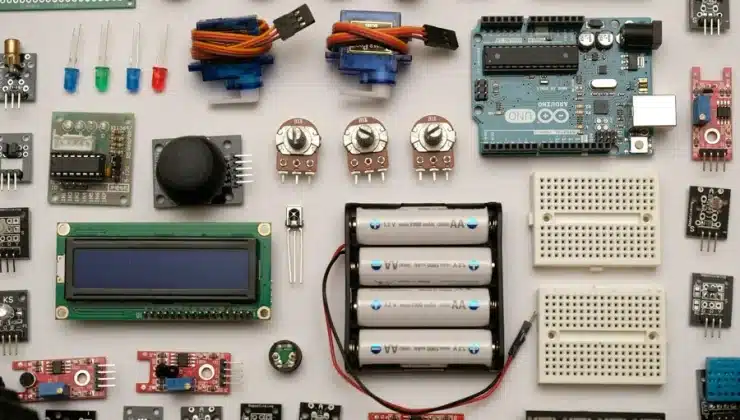
Walk down any street in Singapore and you’re surrounded by semiconductors. They’re in your smartphone, the MRT card in your wallet, the traffic lights above, and the surveillance cameras keeping our city safe. But here’s what most Singaporeans don’t realize: our little red dot isn’t just consuming chips, we’re becoming a global powerhouse in making them.
The semiconductor industry is experiencing a renaissance, and Singapore is positioning itself right at the center. From cutting-edge research facilities to billion-dollar fabrication plants, our nation is building infrastructure that’s attracting the world’s biggest tech players. Let’s explore how Singapore is transforming into Asia’s premier semiconductor hub.
Why Semiconductors Matter Now More Than Ever
The pandemic exposed a harsh reality about global supply chains. When semiconductor shortages hit in 2020-2021, entire industries ground to a halt. Car manufacturers couldn’t finish vehicles, consumer electronics disappeared from shelves, and governments worldwide realized their strategic vulnerability.
Singapore saw this crisis as an opportunity. While other nations scrambled for short-term fixes, our government doubled down on long-term semiconductor investments. This wasn’t just about securing supply; it was about claiming a leadership position in technology that will define the next century.
The numbers tell the story. Global semiconductor demand is projected to reach $1 trillion by 2030, nearly doubling from today’s levels. AI computing, autonomous vehicles, 5G infrastructure, and IoT devices all demand exponentially more chips. Singapore wants a significant slice of that trillion-dollar pie.
Singapore’s Strategic Advantages
Location gives Singapore an inherent edge in the semiconductor game. We’re the gateway between East and West, with shipping routes that connect to every major market. Our timezone straddles both Asian and European business hours, making collaboration seamless.
But geography is just the beginning. Singapore’s political stability, robust intellectual property protection, and transparent legal system make it a safe bet for billion-dollar investments. When companies sink money into semiconductor facilities with 10-15 year horizons, stability matters more than tax breaks.
Our educated workforce is another trump card. NUS and NTU consistently rank among Asia’s top engineering schools, churning out graduates with cutting-edge semiconductor knowledge. Singapore also attracts regional talent engineers from India, China, Malaysia, and beyond see our city as the place to build semiconductor careers.
The Infrastructure Boom
Drive past Woodlands or Tampines and you’ll see massive construction projects transforming our industrial landscape. These aren’t just warehouses; they’re billion-dollar semiconductor facilities representing the future of Singapore’s economy. The scale of investment is staggering even by our standards.
GlobalFoundries recently announced a $4 billion expansion of its Woodlands facility. Micron is pumping $9 billion into its new plant. These aren’t token investments; they’re strategic commitments that cement Singapore as a fabrication powerhouse for decades to come.
But it’s not just about attracting foreign giants. Singapore is building homegrown capabilities that give local companies access to world-class infrastructure. This democratization of semiconductor technology is what separates Singapore from simple manufacturing hubs.
Research and Development Leadership

Manufacturing chips is one thing, but designing and innovating them is where real value lives. Singapore recognized this early and invested heavily in R&D infrastructure. Our research institutes now collaborate with universities and industry partners to push semiconductor boundaries.
NSTIC Singapore exemplifies this approach, a national facility focused on translating semiconductor research into real-world applications. By specializing in areas like photonics and flat optics, Singapore is carving out niches where we can lead globally rather than just compete.
The A*STAR ecosystem provides another competitive advantage. Their research institutes work directly with companies to solve practical problems, not just publish academic papers. This applied research approach speeds innovation from lab to market in ways that purely academic models can’t match.
The Photonics Revolution
Here’s a technology most Singaporeans haven’t heard about but will transform computing photonics. Instead of moving data through electrical signals, photonics uses light. This means faster speeds, lower power consumption, and capabilities that make today’s chips look primitive.
Singapore is betting big on photonics leadership. While other countries chase incremental improvements in traditional semiconductor technology, we’re building expertise in next-generation approaches. It’s a calculated risk that could pay enormous dividends as computing hits physical limits.
The applications extend beyond computers. Photonic sensors enable autonomous vehicles to “see” their environment. Medical imaging gets sharper and less invasive. Data centers that currently gulp electricity become vastly more efficient. Singapore’s photonics expertise positions us at the forefront of multiple technology waves.
Talent Development Pipeline
You can build the best facilities in the world, but without skilled people to run them, you’ve got expensive empty buildings. Singapore understood this and invested in talent development at every level. From polytechnics to universities, semiconductor education is booming.
Industry-academic partnerships are particularly strong here. Students don’t just learn theory; they work on actual industry problems in real facilities. Companies get a pipeline of work-ready engineers, while students graduate with practical skills that make them immediately valuable.
The government’s SkillsFuture initiatives provide pathways for mid-career professionals to upskill into semiconductor roles. As the industry expands, we need thousands of additional workers. Retraining existing talent pools is faster than waiting for fresh graduates alone.
Small and Medium Enterprise Opportunities
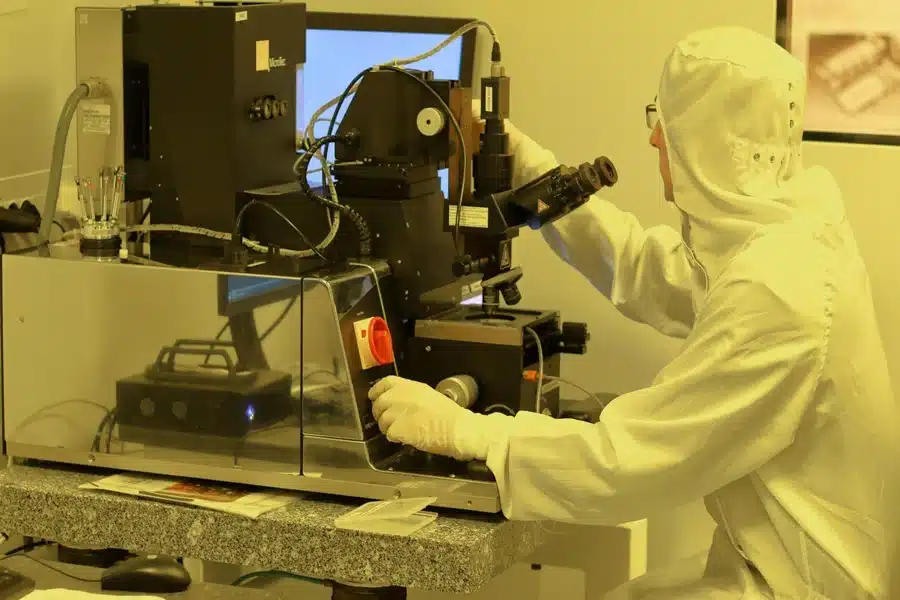
The semiconductor ecosystem isn’t just for multinational giants. SMEs play crucial roles in specialized equipment, materials, testing, packaging, and dozens of other niche areas. Singapore’s infrastructure gives small players access to capabilities they could never afford independently.
Local companies can now prototype semiconductor devices without building their own fabrication facilities. This dramatically lowers barriers to innovation and allows Singapore-based startups to compete globally. The economic multiplier effect ripples through the entire ecosystem.
Equipment suppliers, chemical manufacturers, logistics providers, and professional services all benefit from semiconductor growth. A chip fab doesn’t operate in isolation it requires hundreds of supporting businesses. Singapore’s SMEs are positioning themselves to capture this downstream value.
Investment Landscape and Incentives
The Singapore government isn’t leaving semiconductor growth to chance. Strategic incentives make investing here more attractive than competing locations. These aren’t just simple tax breaks; they’re comprehensive packages addressing multiple business concerns.
The Enterprise Development Grant supports R&D and capability building for companies at all stages. Pioneer status and development incentive programs reduce corporate tax for qualifying projects. These financial tools make Singapore’s higher costs palatable compared to regional alternatives.
Beyond money, regulatory efficiency matters. Setting up operations in Singapore means dealing with clear processes, predictable timelines, and helpful government agencies. In an industry where time-to-market determines winners and losers, this administrative efficiency is worth millions.
Supply Chain Resilience
Recent geopolitical tensions highlighted semiconductor supply chain vulnerabilities. Taiwan’s dominance in advanced chip manufacturing became a strategic concern for nations worldwide. Singapore benefits from this push toward supply chain diversification without the geopolitical baggage.
Our neutrality and strong relationships across regions make Singapore a “safe harbor” for semiconductor operations. Companies worried about getting caught in US-China tensions see Singapore as a pragmatic middle ground. This political positioning translates directly into investment dollars.
The government’s Supply Chain Resilience initiatives further strengthen this advantage. By ensuring stable supplies of critical materials and maintaining backup capabilities, Singapore reduces risk for companies operating here. In uncertain times, reliability is a competitive advantage.
Sustainability in Semiconductor Manufacturing
Let’s address the elephant in the room: semiconductor manufacturing is resource-intensive. Fabrication plants consume enormous amounts of water and electricity. As Singapore pushes for sustainability goals, how does semiconductor growth fit?
The answer lies in efficiency and innovation. Singapore’s facilities are among the world’s most resource-efficient, using closed-loop water systems and renewable energy wherever possible. We’re proving that semiconductor leadership and sustainability aren’t mutually exclusive.
Green technology also creates opportunities. Semiconductors enabling solar panels, electric vehicles, and smart grids require manufacturing too. By positioning itself as a sustainable semiconductor hub, Singapore attracts companies and investors who prioritize environmental responsibility alongside profit.
Integration with Broader Tech Ecosystem
Semiconductors don’t exist in isolation; they’re the foundation for everything from AI to biotech. Singapore’s strength lies in connecting semiconductor capabilities with other technology clusters. This integration creates synergies that amplify impact across sectors.
Our fintech industry benefits from locally designed security chips. Medical technology companies can rapidly prototype sensor systems. Autonomous vehicle testing becomes more effective when you can iterate on the actual semiconductor components. These cross-sector collaborations are Singapore’s secret sauce.
The upcoming Punggol Digital District will physically co-locate semiconductor R&D with software development, cybersecurity firms, and tech startups. This intentional clustering isn’t accidental; it’s designed to spark the kind of innovation that happens when different disciplines collide.
Challenges on the Horizon
Let’s be realistic, Singapore faces significant challenges in its semiconductor ambitions. Our limited physical space means we can’t compete on scale with China or Taiwan. Energy costs remain high despite efficiency improvements. Talent competition is fierce as every country recognizes semiconductors as strategically critical.
The industry’s cyclical nature presents another challenge. Semiconductor markets experience boom-bust cycles that can devastate regions too dependent on the sector. Singapore must balance semiconductor growth with economic diversification to avoid putting too many eggs in one basket.
Geopolitical risks also loom large. Export controls, technology transfer restrictions, and potential conflicts could disrupt even the best-planned strategies. Singapore’s approach of maintaining relationships across dividing lines helps, but doesn’t eliminate these risks.
What This Means for Singapore Businesses
Local companies should pay attention to semiconductor trends even if they’re not directly in the industry. The downstream effects touch virtually every sector. Construction firms build the facilities, logistics companies move materials, professional services support operations, and food providers cater to thousands of engineers.
Companies in adjacent technologies should explore partnership opportunities. If you’re in AI, robotics, telecommunications, or medical devices, Singapore’s semiconductor infrastructure enables capabilities previously out of reach. The question isn’t whether to engage, but how to maximize the opportunity.
Even traditional businesses benefit indirectly. Semiconductor growth attracts high-paying jobs that boost spending power across the economy. Property markets near major facilities appreciate. The overall economic complexity and sophistication increase, raising Singapore’s profile as a technology leader.
Looking Ahead to 2030
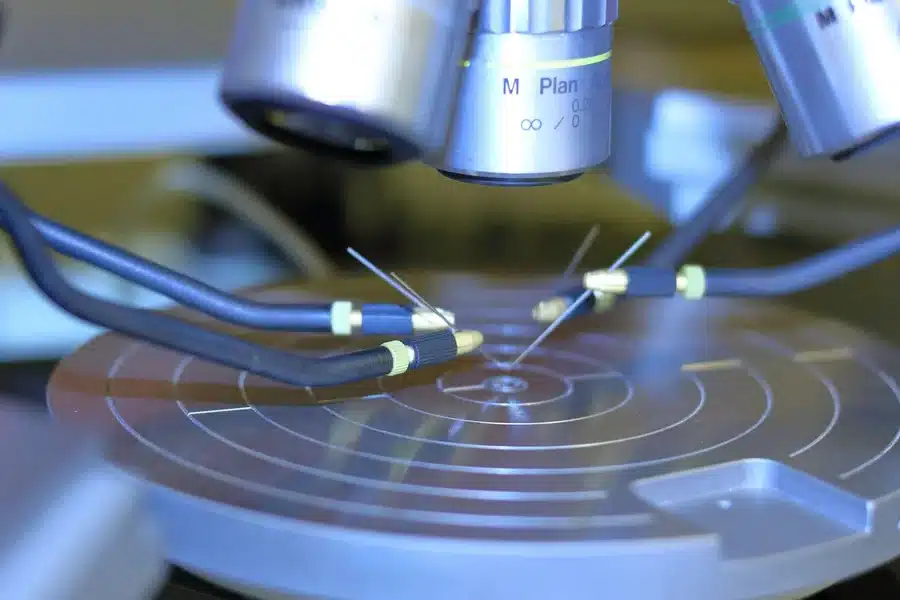
Singapore’s semiconductor trajectory for the next decade looks promising but demanding. Meeting the government’s goal of becoming a top-three semiconductor hub requires sustained effort from the public and private sectors. The foundations are solid; now comes the hard part of execution.
Emerging technologies like quantum computing and neuromorphic chips represent the next frontier. Singapore is already investing in research that positions us for these future waves. Being early in nascent technologies could yield outsized returns as they mature.
The ultimate measure of success isn’t just facility count or investment dollars. It’s whether Singapore-designed and Singapore-made semiconductors power innovations that improve lives globally. That’s the vision driving this transformation, using technology leadership to create value that extends far beyond our shores.
The Bottom Line
Singapore’s semiconductor ambitions aren’t just about economic growth, though that matters. It’s about strategic positioning for a future where digital technology underpins everything from national security to daily convenience. Countries that lead in semiconductors will shape the 21st century’s trajectory.
For Singaporeans, this creates opportunities in high-value careers, entrepreneurship, and investment. The semiconductor boom isn’t happening somewhere else; it’s happening right here in our heartlands and industrial estates. Understanding and engaging with this transformation can unlock significant personal and professional opportunities.
The semiconductor century is just beginning, and Singapore is positioning itself not as a follower but as a leader. Our combination of infrastructure, talent, research capabilities, and strategic vision creates a compelling case for why this little red dot can compete with and even surpass much larger nations. The foundation is laid now we build the future on it.