Simplifying Motor Control in Industrial Systems
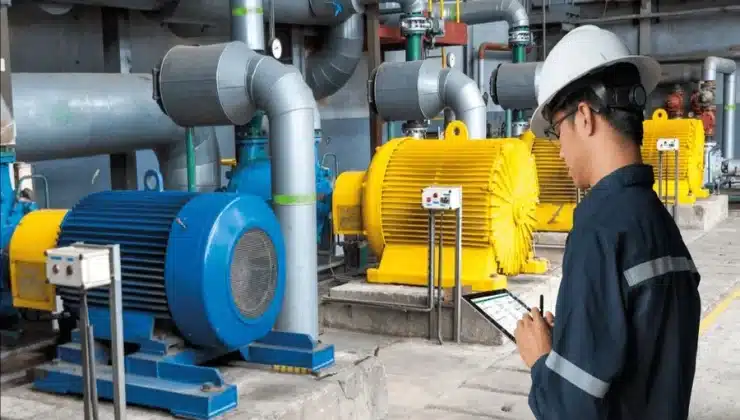
In the world of industrial operations, motors are the driving force behind countless machines and processes. From pumps and compressors to conveyor belts and mixers, electric motors keep production moving. Yet while motors themselves are designed to deliver power and performance, the way they are controlled often determines how efficiently and safely they run. Simplifying motor control has become a priority for industries seeking reliability, cost-effectiveness, and ease of operation.
Why Motor Control Matters
Every industrial motor needs a way to start, stop, and regulate its operation. Without proper control, motors may consume unnecessary energy, wear out faster, or even pose safety risks. An effective motor control system ensures:
- Safe operation by managing power flow and protecting against overloads.
- Efficient energy use by preventing unnecessary current surges.
- Longevity by reducing mechanical and electrical stress on motors.
- Simplicity for operators and technicians working in demanding environments.
In many cases, a straightforward solution is all that’s needed to balance performance with ease of use.
Balancing Complexity and Simplicity
Modern control systems can be highly sophisticated, incorporating programmable devices, sensors, and advanced automation. While these are valuable in certain applications, not every industrial process requires such complexity. Many operations benefit more from simple, robust, and cost-effective solutions that can be quickly installed, understood, and maintained.
This is especially true in small to medium-scale industries, where minimizing downtime and ensuring ease of use are top priorities.
The Role of Starters
One of the most fundamental aspects of motor control is the starting method. Motors require a significant amount of current when they first begin to operate—often several times more than their normal running current. Without a proper starter, this surge can strain both the motor and the power supply, leading to potential failures.
Starters provide the necessary control by:
- Allowing motors to start safely.
- Offering overload protection.
- Ensuring smooth transitions between rest and operation.
A Simple Yet Reliable Option
Among the different types of starters available, the DOL motor starter (Direct-On-Line) remains one of the most widely used, especially in industries where simplicity and reliability are valued. It works by directly connecting the motor to the power supply, enabling an immediate start.
While this approach results in a high starting current, it is highly effective for small to medium motors where the surge does not cause significant issues. Industries appreciate DOL starters because they are:
- Straightforward to install with minimal wiring requirements.
- Easy to operate even for workers with basic training.
- Cost-effective compared to more complex starting systems.
- Reliable with simple designs that are less prone to failure.
For applications such as pumps, fans, and compressors, DOL starters often strike the perfect balance between functionality and simplicity.
Advantages of Keeping It Simple
Simplicity in motor control does not mean sacrificing performance. In fact, using straightforward solutions has several advantages:
- Reduced downtime: Operators can quickly troubleshoot and replace parts.
- Lower training requirements: Staff do not need specialized knowledge to use the system.
- Affordability: Businesses can save on upfront and maintenance costs.
- Durability: Fewer complex components often mean longer-lasting performance.
By keeping systems simple where possible, industries can focus resources on areas that truly require advanced control.
Looking Ahead
As industries evolve, motor control will continue to advance with smarter systems and digital integration. However, the demand for simple, robust solutions will remain strong. Not every application needs cutting-edge automation; sometimes, the most effective approach is the one that combines reliability with ease of use.
This balance between innovation and practicality ensures that industries can choose the right motor control solution for their specific needs.
Conclusion
Motors are the backbone of industrial operations, but how they are controlled determines their true efficiency and reliability. Simplifying motor control does not mean compromising—it means choosing solutions that are effective, cost-efficient, and user-friendly. Tools like the DOL starter highlight how straightforward technology can deliver dependable performance, proving that sometimes, the simplest solutions have the biggest impact.