Roof Maintenance Checklist: What Every Homeowner Should Do
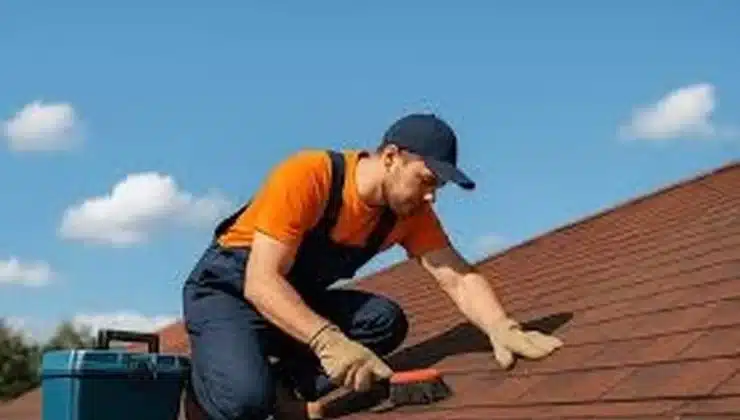
Maintaining a roof is often overlooked until issues become too severe to ignore, but proper care and consistent inspections can prevent costly damage and extend the life of your home’s most important shield. A well-maintained roof does more than protect against rain and wind—it also keeps your property insulated, energy-efficient, and visually appealing. Neglecting roof maintenance can lead to leaks, mold growth, structural weakening, and expensive repairs that could have been avoided with simple routines.
We will explore a comprehensive roof maintenance checklist designed for homeowners to follow, ensuring that small issues are caught early and addressed before they escalate into major problems. By adopting a proactive approach, homeowners can save money, reduce stress, and increase the overall durability of their homes. Whether you are maintaining your property locally or looking for reliable roofing in Bondi, this checklist provides practical steps that apply to every homeowner. With this checklist, you will gain clarity on what steps to take throughout the year to keep your roof in optimal condition.
Essential Steps in a Roof Maintenance Checklist
-
Regular Visual Inspections
The first and most important step in roof maintenance is conducting regular visual inspections. A homeowner does not need to climb on top of the roof to notice potential issues—simply walking around the property and observing from the ground can provide valuable information. Look for missing shingles, curling edges, dark patches, or sagging areas. It is also wise to check after heavy storms, as strong winds and rain can cause immediate damage. In addition to ground-level inspections, use binoculars to get a closer look at hard-to-reach spots. Twice-yearly inspections, once in spring and again in fall, should be the minimum standard. By making these inspections routine, homeowners can address minor concerns quickly rather than waiting for them to become larger, costlier problems. Consistency in this step is the foundation of a long-lasting and dependable roof.
Regular roof maintenance is crucial for prolonging the life of your roof and preventing costly repairs. One important aspect of maintenance is understanding the different types of roofing materials and their specific needs. For instance, metal roofs, known for their durability and energy efficiency, require particular attention to detail during installation and upkeep. If you’re considering a metal roof, learning how to install a standing seam metal roof can be invaluable. You can find detailed guidance on this process from this source, which provides a step-by-step guide to ensure a successful installation. By staying informed and proactive, homeowners can maintain their roofs effectively, ensuring safety and longevity.
-
Clean Gutters and Downspouts
Clogged gutters can create a series of problems that eventually impact the roof’s condition. Leaves, dirt, twigs, and other debris accumulate in gutters and block water from draining away properly. When water backs up, it can seep under shingles, weaken the roof’s structure, and even damage the foundation of the home. Cleaning gutters should be done at least twice a year, with additional cleaning if the property is surrounded by trees that shed heavily. Downspouts should also be checked to ensure water is flowing away from the house instead of pooling near the foundation. In addition to cleaning, homeowners should inspect for signs of rust, cracks, or loose fasteners in the gutter system. Keeping gutters in proper working order not only protects the roof but also helps maintain the home’s overall drainage system, preventing costly water-related damage in the long run.
Regular inspections are crucial to maintaining your roof’s integrity. While some tasks can be handled by homeowners, others require professional expertise. Engaging a roofing contractor ensures that any potential issues are identified and addressed promptly, preventing costly repairs down the line. These experts can assess the condition of shingles, flashing, and gutters, providing peace of mind that your roof is in optimal condition. Additionally, they can offer valuable advice on maintenance practices tailored to your specific roof type and local climate conditions. By incorporating professional evaluations into your routine, you extend the lifespan of your roof and safeguard your home against unexpected weather challenges.
-
Check for Moss, Algae, and Mold Growth
Moss, algae, and mold may seem harmless at first glance, but if left untreated, they can compromise the roof’s durability. Moss, for instance, traps moisture against shingles, causing them to deteriorate more quickly. Algae can leave unsightly black streaks, while mold growth creates health risks for residents and weakens roofing materials. Removing these organisms should be a part of any roof maintenance routine. Gentle cleaning solutions and soft brushes are usually enough to eliminate the problem without damaging shingles. Some homeowners also install zinc or copper strips along roof ridges, which naturally deter moss and algae growth when it rains. Preventive measures, such as trimming overhanging branches that provide shade and moisture, also help reduce the likelihood of regrowth. Addressing moss and algae early not only preserves the roof’s strength but also keeps the property looking clean and well-maintained.
-
Inspect Flashing and Sealants
Flashing is an essential part of any roof, as it seals the vulnerable areas around chimneys, skylights, vents, and valleys. Over time, flashing can loosen, crack, or corrode, creating pathways for water to enter the home. Homeowners should carefully inspect these areas for gaps, rust, or other damage. Likewise, sealants and caulking around joints and fixtures may dry out or peel, reducing their effectiveness. Reapplying sealant or repairing flashing when small issues are spotted can prevent leaks that might otherwise spread unnoticed for months. Paying attention to flashing is one of the most effective ways to protect against water infiltration, which is one of the leading causes of roof-related damage. This step should never be skipped, as even the strongest shingles cannot perform their job if water is slipping through poorly maintained flashing.
-
Schedule Professional Inspections When Needed
While homeowners can handle many parts of roof maintenance on their own, there are times when a professional inspection becomes necessary. After severe storms, noticeable leaks, or if the roof is nearing the end of its expected lifespan, having a professional assess the situation can provide peace of mind. Trained inspectors can spot hidden damage that may not be visible during a casual check and recommend solutions before the issues become emergencies. Scheduling a professional inspection once every couple of years is a smart way to maintain long-term roof health. By combining self-maintenance with occasional professional input, homeowners can cover all aspects of roof care thoroughly. This step ensures that no major issues go unnoticed, preserving both the safety and value of the home over time.
Roof maintenance may seem like a daunting task, but breaking it down into manageable steps makes it far easier to stay consistent. Each step, from regular inspections and gutter cleaning to checking attic ventilation, plays an important role in protecting the home’s structure and extending the roof’s lifespan. Neglecting even small issues can lead to costly repairs, while consistent care prevents damage and saves money. A roof is one of the most significant investments in a home, and protecting it through proper maintenance ensures comfort, safety, and peace of mind for years to come. By following this checklist, homeowners can take control of their roof’s health and safeguard their property against unnecessary damage.