Ready for a Change? How Redesigning Your Space with New Furniture Can Revitalize Your Motivation
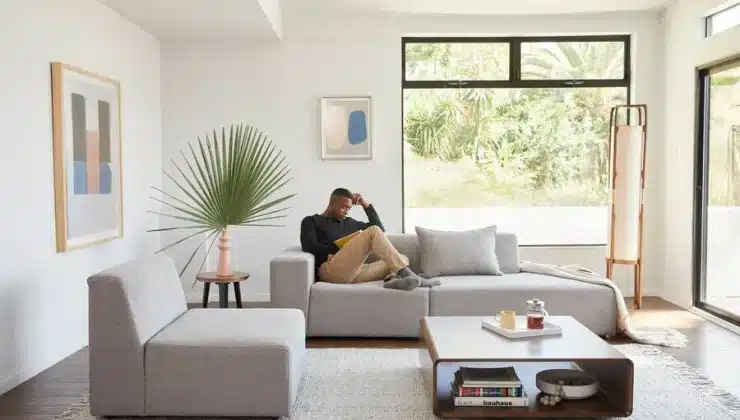
The spaces we live in shape how we feel, think, and act. A cluttered room can drain your energy, while a refreshed and organized environment can lift your mood almost instantly. If you’ve been feeling stuck or unmotivated, a change in your surroundings might be the reset you need. Redesigning your space with new furniture—combined with intentional decluttering—can bring back motivation and spark a new sense of focus.
The Psychology of Space and Motivation
Our environment is not neutral. Studies show that the way a space is arranged affects stress levels, creativity, and productivity. A room filled with disorder often mirrors a cluttered mind. On the other hand, clean lines, open areas, and comfortable furniture create a sense of calm and control.
Think of it this way: when your surroundings feel stale, so does your mindset. A fresh environment communicates change, which can push you toward new goals. That’s why redesigning a space often feels like pressing the reset button on your motivation.
Start with Decluttering: Clearing the Old to Make Room for the New
Before introducing anything new, you must first clear what no longer serves you. Decluttering is more than tidying up—it’s about letting go. Old furniture that is broken, décor that no longer fits your style, and piles of unused items all take up mental and physical space. If you’re getting rid of items, a moving company can be a helpful resource for transporting things you no longer need, making the process easier and more efficient.
The process can be simple:
- Sort items into four categories: keep, donate, recycle, or discard.
- Ask yourself if each object adds value or purpose to your daily life.
- Be decisive. The more you hold onto unused items, the harder it is to make space for change.
By removing the excess, you lighten the atmosphere in your home. This clarity translates into energy and motivation because you’re no longer weighed down by things you don’t need.
The Power of Rearranging Before Replacing
Sometimes motivation doesn’t require a shopping trip. A simple rearrangement of furniture can transform the feel of a room. Moving a desk closer to natural light can make work sessions more productive. Shifting your sofa to open up a walkway can make the room feel larger and more inviting.
Experiment with different layouts before replacing furniture. It helps you understand what truly works in your space and may reveal new ways to use it. This low-cost step often sparks creativity and makes a home feel refreshed without spending a dime.
Choosing New Furniture with Purpose
When it’s time to invest in new pieces, be intentional. Furniture is more than decoration—it’s the foundation of your daily comfort and function. A chair that supports good posture can improve focus. A bed designed for restful sleep can impact your energy levels.
Think about three factors:
- Comfort – A space should feel welcoming, not exhausting.
- Functionality – Choose items that make your routines easier.
- Style – Furniture should reflect your personality while harmonizing with what you already own.
Color and texture also matter. Neutral tones can calm the mind, while brighter shades can energize it. Blending old and new pieces ensures your space feels both fresh and familiar.
Creating a Motivating Atmosphere Beyond Furniture
Furniture sets the structure, but atmosphere completes the experience. Lighting is a powerful motivator—natural light boosts mood, while layered artificial lighting provides balance after dark. Adding greenery brings life and freshness into any room.
Personal touches also matter. Art on the walls, meaningful photographs, or even scented candles can anchor a sense of comfort and belonging. Small details like textures, soft fabrics, or natural materials contribute to a space that not only looks good but feels good to live in.
Transformative Changes That Boost Motivation
Not every change delivers the same impact. Some updates are small but mighty when it comes to lifting your mood and energy. Here are a few specific adjustments that often make the most significant difference:
- Workspace Refresh: Swapping out an uncomfortable chair for an ergonomic one or upgrading your desk can make long hours of work less draining. A motivated mindset thrives when the body is supported.
- Dedicated Zones: Introducing multi-purpose furniture, like a storage ottoman or a foldable desk, helps create intentional zones for work, relaxation, or hobbies. These subtle boundaries encourage focus and reduce mental fatigue.
- Statement Pieces: Adding one bold piece, such as a modern armchair, an inspiring bookshelf, or a striking table, can instantly shift the energy of a room. A single well-chosen item can act as a daily motivator by making the space feel purposeful and new.
- Organizational Furniture: Shelving units, cabinets, or storage benches not only keep clutter out of sight but also reinforce the feeling of order. A cleaner environment leads to clearer thinking.
These targeted changes show how furniture isn’t just about style—it’s about function, energy, and creating a space that motivates you to be at your best.
Maintaining the Motivation Momentum
Redesigning your space is not a one-time event. Over time, clutter can creep back in if you’re not mindful. Regularly revisit your space and remove items that no longer belong.
Consider refreshing your décor seasonally with minor updates like throw pillows, plants, or artwork. These minor shifts prevent your environment from feeling stagnant. Above all, build habits that keep your surroundings organized so your motivation has room to thrive.
Conclusion
Your environment has the power to energize or exhaust you. Redesigning your space, starting with decluttering and extending to purposeful furniture choices, can revitalize your motivation in surprising ways. It’s not about perfection—it’s about creating an environment that supports who you are and where you’re going.
Start small. Clear out what you no longer need, rearrange what you already have, and invest in new furniture with intention. With each change, you’ll feel the shift—not just in your space, but in yourself.