The Ghost Apartment Phenomenon: Why Some Rentals Linger Vacant Without Reason
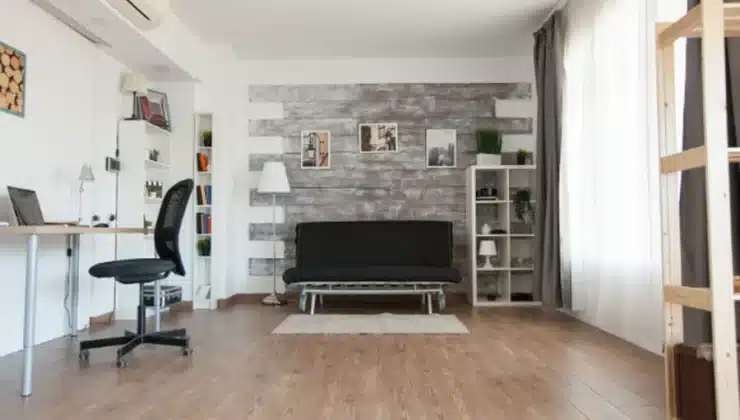
You know that eerie feeling when you walk past a perfectly fine apartment and think, “Why on earth is no one living there?” It’s clean. It’s got a decent location. The price doesn’t seem outrageous. And yet… silence. These are the “ghost apartments.” Not haunted in the supernatural sense, but haunted by vacancy.
Sometimes the mystery isn’t so mysterious. Maybe the owner is asking too much rent. Maybe the photos online look like they were taken with a toaster. Or maybe, and this happens more often than you’d expect, the property manager hasn’t exactly gone the extra mile to make the place appealing.
But here’s the weird part. Sometimes everything looks fine on paper. Rent is reasonable, listing photos are polished, even the description doesn’t sound like it was copy-pasted from 1997. And still, the place just sits there. Weeks turn into months. No bites. That’s when you start to wonder if there’s a deeper issue.
The psychology of empty space
Vacancies have a strange psychology to them. The longer a place sits empty, the less desirable it can seem. It’s almost like people think, “Well, if no one else wants it, maybe I shouldn’t either.” Property managers know this spiral well. The longer the clock ticks, the harder it is to break the cycle.
And then there’s perception. Renters today are picky. And rightfully so, they’re choosing a lifestyle. Walkability. Noise levels. How much natural light the living room gets during Netflix hours. An apartment might check all the technical boxes, but if it doesn’t feel right, renters move on.
The invisible deal-breakers
Here’s the kicker: the “why” behind a ghost apartment often isn’t obvious. Some places just give off a vibe. Perhaps it’s too close to a noisy intersection. Or the building smells faintly like last decade’s carpet glue. These are things that don’t show up in a listing but matter a lot in person.
According to Earnest Homes, “Sometimes landlords underestimate the soft factors, like lighting, smell, or even hallway design, that can make or break interest.” That’s the reality in the rental market. A small detail that looks trivial on paper can tank desirability in practice.
The competition factor
Let’s be fair. Sometimes it’s not the apartment at all, it’s the competition. If a shiny new building opens two blocks over with smart locks, rooftop Wi-Fi, and a dog spa, suddenly your very normal apartment with regular keys looks outdated. And in 2025, renter expectations move fast.
That’s where property managers again come into play. A smart manager knows how to adjust pricing, update amenities, or even just reframe the listing to keep a unit competitive. A not-so-great manager? Well, that’s how ghost apartments are born.
Marketing misses
Another reason apartments linger empty? Bad marketing. Renters scroll fast, and if your listing doesn’t grab attention in the first three seconds, it’s over. Low-quality photos, clunky descriptions, or missing details like pet policies can make people move on instantly.
Priority One points out that “Marketing a rental is about storytelling.” They’re right. A listing needs to help people imagine themselves living there, not just count the outlets. Ghost apartments often fail because they don’t tell a story at all.
The spiral of vacancy
The longer an apartment stays empty, the more it costs. Not just in lost rent, but in perception. Future tenants might even wonder if there’s something wrong with it. A leaky roof? An unhelpful landlord? Ghost apartments develop reputations, fair or not.
And that’s the real risk. A unit that should rent in three weeks turns into three months, then six. The landlord loses money. The property manager feels the pressure. And eventually, the place becomes the rental equivalent of that one chair in your house nobody ever sits in.
Breaking the curse
The good news? Ghost apartments aren’t doomed forever. A few fixes can bring them back to life. Fresh paint. Better staging. Adjusted rent. And yes, better management. Sometimes just refreshing the listing with new photos and more honest copy can change the game.
If you’re a landlord staring at a ghost apartment, don’t panic. Look at the intangibles. Visit the unit at different times of day. Ask yourself, “Would I actually want to live here?” If the answer is no, that’s your clue.
And if you’re a renter who stumbles on a long-empty unit? Don’t automatically assume it’s cursed. But do ask questions. Why has it been sitting so long? Any past issues with repairs or neighbors? A little curiosity now can save a headache later.
Final thought
Ghost apartments aren’t just about supply and demand. They’re about perception, competition, and human psychology. They remind us that real estate isn’t just brick and drywall, it’s emotional. And sometimes, it takes a sharp-eyed property manager (or just an honest landlord willing to face the truth) to bring a rental back from the dead.