Natural Orange Food Colors: A Bright and Clean-Label Alternative
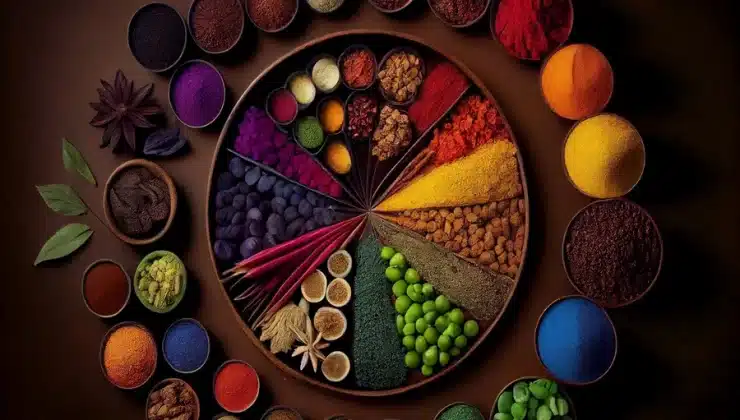
Color is more than just a visual element in food — it sets the mood, conveys freshness, and influences how we perceive taste. Among the many shades used in the food industry, orange stands out for its warmth, energy, and natural vibrancy. With consumers increasingly rejecting artificial dyes, natural orange food colors are becoming the preferred choice for manufacturers who want to achieve rich, appetizing tones while maintaining clean-label standards.
Why Natural Orange Food Colors Are in Demand
Over the last decade, the clean-label movement has transformed how brands approach food formulation. Artificial colors like Sunset Yellow or Orange No. 5, once common in processed foods, are now being replaced with plant-based, minimally processed alternatives.
Natural orange colorants are derived from fruits, vegetables, and other plant sources. They offer not only a bright, appealing hue but also align with consumer preferences for safer, more transparent ingredients.
Common Sources of Natural Orange Pigments
Natural orange pigments come from a variety of botanical sources, including:
- Annatto: Extracted from the seeds of the achiote tree, annatto is one of the most popular sources of orange hues, especially in dairy and snacks.
- Paprika: Made from dried red peppers, paprika gives a warm orange-to-red shade ideal for savory applications.
- Carrot Extract: Rich in beta-carotene, carrot pigments provide vibrant orange tones and a natural nutritional boost.
- Pumpkin and Turmeric Blends: Used in some formulations to create a deeper or more golden-orange color.
Each pigment source offers different undertones, giving manufacturers flexibility to match their desired shade.
Advantages of Using Natural Orange Food Colors
- Clean Label and Transparency
Plant-derived orange colorants allow brands to replace synthetic dyes while enhancing ingredient trust. - Nutritional Benefits
Many natural pigments like beta-carotene from carrots also provide antioxidant properties, adding functional value to products. - Wide Application Range
Natural orange shades work well in both sweet and savory foods, making them ideal for beverages, bakery, confectionery, and snacks. - Vegan and Allergen-Free
Being plant-based, these colors are suitable for vegan and allergen-sensitive formulations.
Applications in the Food and Beverage Industry
- Beverages: Smoothies, juices, and flavored water use orange tones for a refreshing, fruity look.
- Bakery & Confectionery: Cakes, frostings, cookies, and gummies often use paprika or carrot extract.
- Dairy: Annatto is widely used in cheese, butter, and yogurt to create natural golden-orange hues.
- Savory Foods & Snacks: Sauces, dips, chips, and seasonings achieve appealing warmth with paprika or annatto.
Stability Considerations for Natural Orange Pigments
While natural pigments are safer and more appealing, they can be sensitive to processing conditions like pH, heat, and light. For example:
- Annatto provides excellent stability and is ideal for high-temperature applications.
- Paprika may require protection from oxidation.
- Carrot extract maintains color well in mildly acidic environments.
Food technologists often use encapsulation or blending techniques to preserve the vibrancy of orange hues over time.
The Future of Natural Orange Food Colors
With increasing consumer awareness and stricter regulations on artificial colors, natural pigments are set to dominate the global market. Orange tones, in particular, are versatile — representing energy, warmth, and health. Innovations in extraction and stabilization are also making these pigments more cost-effective and application-friendly.
Final Thoughts
Natural food colors are more than just a shade — they reflect a commitment to clean, transparent, and consumer-friendly food formulation. Derived from trusted sources like annatto, paprika, and carrot, they provide vibrant hues without compromising safety or label clarity.
As brands continue to move away from artificial additives, orange pigments from nature are lighting up everything from snacks and beverages to dairy and desserts — bringing color, trust, and health together on the plate.