LASIK Treatment and Eye Health: A Detailed Guide
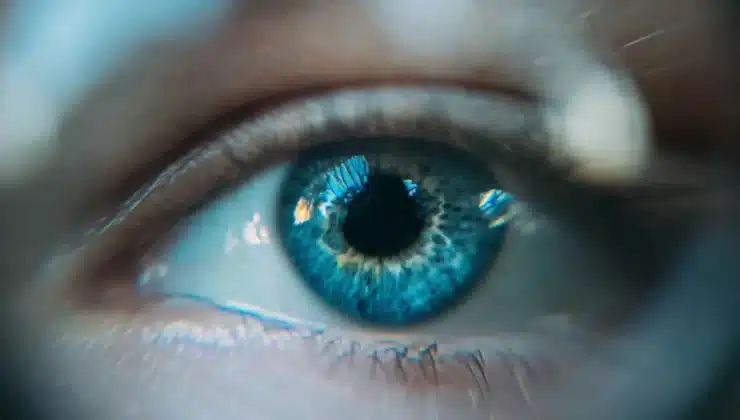
Laser-Assisted In Situ Keratomileusis, more commonly called LASIK treatment, has transformed modern eye care. This surgical procedure corrects refractive errors such as myopia, hyperopia, and astigmatism. For many patients, it offers freedom from glasses or contact lenses. But the decision to undergo LASIK goes beyond convenience. It is about understanding how the procedure interacts with eye health and long-term vision.
How LASIK Works
LASIK treatment uses a precise laser to reshape the cornea. The cornea bends light so it can focus clearly on the retina. When the cornea’s shape is imperfect, vision becomes blurry. By adjusting the curvature, LASIK allows light to focus more accurately.
The surgery involves two steps. First, a thin flap is created on the cornea. Then, an excimer laser removes tiny amounts of tissue to change its shape. The flap is replaced, and healing begins almost immediately. The process takes less than 30 minutes for both eyes, making it one of the most efficient procedures in ophthalmology.
Benefits of LASIK Treatment
The most obvious benefit is improved vision. Many patients achieve 20/20 vision or better after the procedure. This change reduces dependence on corrective lenses, which is appealing for people with active lifestyles.
Beyond vision correction, LASIK treatment can improve overall quality of life. Clearer sight makes driving, reading, or using digital devices less straining. Athletes and professionals in physically demanding fields often report improved performance after surgery. For others, it removes the inconvenience of glasses fogging or the discomfort of contact lenses.
Risks and Considerations
Like all surgeries, LASIK treatment carries risks. Most patients experience temporary side effects such as dry eyes, glare, or halos around lights. These usually improve within weeks. Rare complications include infection, flap issues, or under-correction.
Patients should also consider that LASIK does not stop natural aging. Presbyopia, the condition that affects near vision after age 40, still occurs. Some patients may require reading glasses later in life even if their distance vision remains clear.
Screening is critical to reduce risks. People with thin corneas, severe dry eye, or unstable prescriptions are not ideal candidates. A detailed eye exam helps ophthalmologists determine eligibility and expected results.
The Role of the Ophthalmologist
The skill and experience of the surgeon strongly influence outcomes. A qualified ophthalmologist evaluates eye structure, prescription stability, and overall health before recommending LASIK treatment. They also guide patients on realistic expectations.
Technology plays a role too. Modern LASIK uses wavefront mapping and femtosecond lasers for precise corrections. These tools reduce risks and improve results. Still, the surgeon’s expertise remains the key factor in safe and effective surgery.
Recovery Process
Healing after LASIK is relatively quick. Most patients notice improved vision within 24 hours. However, the eyes continue to stabilize for several weeks.
During recovery, patients must follow strict care instructions. This includes using prescribed eye drops, avoiding eye rubbing, and protecting the eyes from dust or water. Follow-up appointments track healing and address any complications early.
Long-term results are stable, but regular eye exams remain necessary. Vision can still change with age, lifestyle, or medical conditions. Maintaining eye health requires ongoing care beyond surgery.
LASIK and Mental Well-Being
Clear vision influences more than physical function. Studies suggest improved confidence and reduced anxiety after LASIK treatment. Patients who struggled with thick glasses or uncomfortable lenses often report greater self-esteem.
This connection reflects how vision ties into daily experiences. The ability to wake up and see clearly, participate in sports, or enjoy outdoor activities without aids often feels liberating. While not a direct medical benefit, the psychological impact is meaningful.
Cost and Accessibility
The cost of LASIK varies based on location, technology, and the surgeon’s expertise. Insurance rarely covers the procedure because it is considered elective. However, many clinics offer payment plans or financing options.
Patients should avoid choosing surgery based on price alone. Lower costs may reflect outdated technology or less experienced providers. Value comes from safety, results, and long-term satisfaction, not just initial expense.
Alternatives to LASIK
LASIK treatment is not the only option for vision correction. PRK (photorefractive keratectomy) is suitable for patients with thinner corneas. Implantable lenses provide another alternative for high prescriptions. Some patients may benefit from refractive lens exchange, which replaces the eye’s natural lens.
Discussing these options with an ophthalmologist helps patients make informed choices. Each method has distinct advantages depending on age, eye health, and vision goals.
Future of Laser Eye Surgery
Ongoing research continues to refine refractive surgery. Advancements in laser accuracy, imaging, and healing techniques promise safer and more predictable results. Customized procedures may one day correct even minor visual distortions unique to each eye.
This progress underscores the importance of choosing clinics that invest in updated technology. Patients benefit from innovations that shorten recovery time and improve precision.
Final Thoughts
LASIK treatment remains a proven option for vision correction. It offers rapid improvement, long-lasting results, and meaningful lifestyle benefits. Yet, it is not suitable for everyone. Careful screening, skilled surgeons, and patient commitment to follow-up care are all vital.
Eye health is a lifelong commitment. LASIK can be part of that journey, but regular exams, protection from UV exposure, and proper eye hygiene remain just as critical. By understanding both the advantages and limits of LASIK, patients can make informed choices about their vision.