How Physiotherapy Clinics Support Post-Surgery Rehabilitation
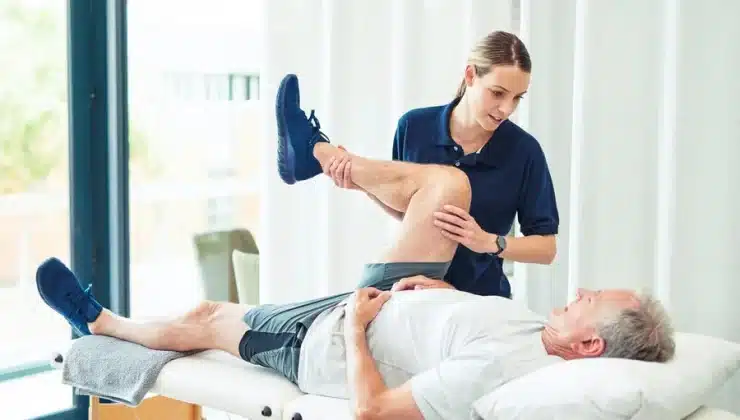
Recovering from surgery is often a journey that requires time, patience, and the right guidance to restore physical function and confidence. While surgery addresses the immediate medical issue, the body usually needs structured rehabilitation to regain strength, mobility, and independence. Physiotherapy clinics play a vital role in this process by offering targeted treatment programs that help patients move forward with recovery. We will explore how these clinics provide post-surgery support, from pain management to restoring range of motion, while ensuring patients have the tools they need for long-term improvement.
Incorporating physiotherapy into post-surgery recovery plans can significantly enhance healing outcomes. Clinics like physio Mill Park offer personalized rehabilitation programs that cater to individual needs, ensuring a comprehensive approach to recovery. By focusing on tailored exercises and manual therapy, these clinics help patients regain strength and mobility more effectively. The supportive environment and expert guidance provided by physiotherapists play a crucial role in motivating patients to adhere to their rehabilitation routines. This holistic approach not only addresses physical recovery but also boosts patients’ confidence, enabling them to return to their daily activities with greater ease and assurance.
The Role of Physiotherapy Clinics in Post-Surgery Recovery
-
Pain Management and Swelling Reduction
One of the earliest challenges after surgery is coping with pain and inflammation. Physiotherapy clinics use a combination of therapeutic techniques to address these issues without relying solely on medications. Gentle exercises, guided stretches, and treatments such as manual therapy or cold therapy can help alleviate discomfort while reducing swelling around the surgical site. By carefully monitoring pain levels, physiotherapists adjust rehabilitation plans to keep patients comfortable and motivated. This approach not only improves tolerance for movement but also encourages patients to stay active during recovery, which is essential for preventing stiffness and promoting circulation. Early pain management sets the foundation for a smoother recovery journey, allowing individuals to transition into more active rehabilitation phases with confidence.
-
Restoring Mobility and Range of Motion
Surgery often limits movement, either because of the procedure itself or due to protective behaviors as the body heals. Physiotherapy clinics, such as https://fixio.com.au/locations/freshwater-physio/, design personalized mobility programs that gradually reintroduce motion to the affected area. This may involve assisted stretches, guided joint mobilization, or progressive exercises that target surrounding muscles to reduce stiffness. For example, after knee surgery, specific routines focus on bending and extending the joint without causing strain. Restoring range of motion is crucial because it prevents long-term restrictions that could limit daily activities. By ensuring each movement is controlled and pain-free, physiotherapists help patients regain confidence in their bodies, step by step. Clinics also use careful assessments to track progress and adapt exercises, ensuring safe but effective improvements in flexibility and motion.
-
Strengthening Muscles Around the Surgical Site
A common side effect of surgery is muscle weakness, often caused by periods of immobility before and after the procedure. Physiotherapy clinics address this by creating structured strengthening programs tailored to each patient’s condition. These exercises focus on rebuilding muscle support around the surgical site while also improving overall stability. For instance, after shoulder surgery, targeted resistance exercises help re-engage weakened muscles and improve posture, reducing the risk of re-injury. Strength training in a clinical setting is supervised to avoid strain and to ensure the body is progressing at the right pace. Gradual muscle conditioning not only restores strength but also helps patients return to daily activities with more ease. Over time, this rebuilding process enhances endurance and supports long-term recovery.
-
Improving Balance and Coordination
Post-surgery, many patients struggle with balance and coordination, particularly after operations involving joints or the spine. Physiotherapy clinics integrate exercises that challenge stability in safe and controlled environments. Techniques such as balance boards, gait training, and core strengthening routines improve coordination while preventing falls, which can be a major setback in recovery. These exercises are particularly important for older patients, who may face higher risks of instability after surgery. By improving balance, physiotherapists help patients move with greater confidence in both clinic and home settings. In addition, coordination exercises retrain the body to perform everyday movements smoothly, from walking to climbing stairs. This type of rehabilitation ensures patients regain independence and reduce their reliance on support systems during daily tasks.
-
Guidance for Safe Return to Activities
A major goal of physiotherapy clinics is preparing patients for a safe return to normal life, whether that means work, sports, or daily routines. Clinics provide education and tailored exercise programs that gradually reintroduce activities without risking further injury. For athletes, physiotherapists may create sport-specific drills to rebuild endurance and technique, while for others, the focus might be on lifting safely, walking long distances, or managing household tasks. These practical strategies bridge the gap between surgery and real-world function, ensuring patients feel capable and confident in their abilities.
Importantly, physiotherapy clinics also teach patients how to recognize their physical limits and avoid overexertion, reducing the likelihood of setbacks. By combining physical training with education, clinics empower individuals to manage their recovery actively and maintain progress long after formal sessions have ended.
-
Supporting Mental and Emotional Recovery
Recovering from surgery is not just about the physical body—it often affects mental well-being too. Many patients feel anxious, frustrated, or discouraged during their recovery journey. Physiotherapy clinics provide encouragement, structured goals, and consistent progress tracking, which can have a positive impact on morale. By working closely with patients, physiotherapists help them see measurable improvements, reinforcing motivation.
Additionally, the sense of support from professionals and the structured rehabilitation environment reduces feelings of isolation. Emotional support is a powerful component of recovery because it fosters resilience, patience, and optimism during what can be a demanding period. With guidance that addresses both the body and mind, physiotherapy clinics help patients develop a balanced approach to healing.
Post-surgery rehabilitation is a gradual process that requires both physical and emotional support. Physiotherapy clinics provide structured pathways to recovery by focusing on pain management, mobility, strength, balance, and long-term health strategies. By addressing each stage of recovery with tailored programs, they ensure healing is safe, effective, and sustainable. For anyone navigating life after surgery, physiotherapy clinics play a crucial role in bridging the gap between medical treatment and the return to everyday life.