How Old Is Too Old Understanding the Lifespan of Your AC System
The lifespan of an air conditioning system is a topic that every homeowner should understand, as it impacts comfort, energy efficiency, and financial planning. AC units, like any other mechanical system, have a limited operational life, and knowing when to repair versus replace can save both money and frustration. We will explore the factors that influence an AC system’s longevity, signs that it may be nearing the end of its useful life, and practical ways to extend its service. Understanding these elements allows homeowners to make informed decisions, ensuring consistent indoor comfort and avoiding unexpected breakdowns during extreme weather conditions. Regular maintenance and timely intervention are key to maximizing an AC’s lifespan, making knowledge about aging systems invaluable.
Factors Influencing AC Longevity
1. System Age and Usage Patterns
The age of an AC unit is a primary factor in determining its reliability and efficiency. Typically, central air conditioners last around 12 to 15 years; however, some high-quality units can function for 20 years or more with consistent maintenance. Usage patterns, including how frequently the system runs during hot months, significantly affect wear and tear. Units that operate continuously in extreme temperatures often experience accelerated deterioration of components, such as compressors, fans, and coils. Conversely, moderate use paired with proper maintenance can extend life expectancy. Homeowners should closely monitor system performance, as even minor drops in cooling efficiency can indicate that age-related wear is beginning to affect the unit’s overall functionality. Consulting with Air Docs Heating & Cooling can provide guidance on maintaining older systems and evaluating when replacement may be necessary.
2. Maintenance Practices
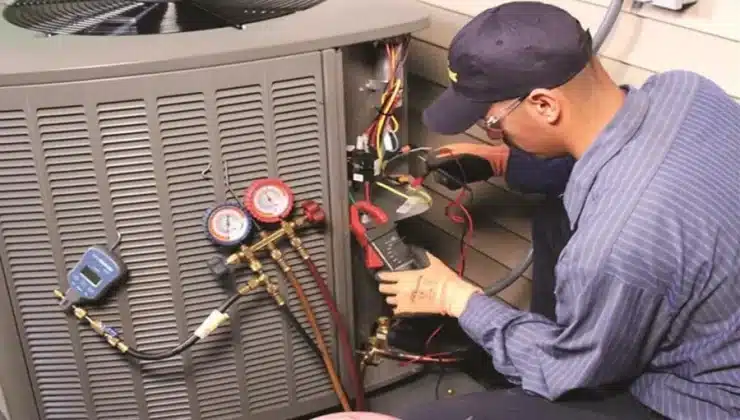
Routine maintenance is one of the most influential factors in an AC system’s lifespan. Regular filter changes, coil cleaning, and annual professional inspections help prevent small issues from escalating into major problems. Neglecting maintenance can lead to clogged filters, frozen coils, and strain on the compressor, all of which accelerate system aging. Systems maintained according to manufacturer guidelines often operate longer and more efficiently than neglected units. In addition to preventing premature breakdowns, maintenance improves indoor air quality and keeps energy costs in check. A proactive maintenance schedule can delay the need for a full replacement, making it a cost-effective strategy for homeowners.
If your AC system is nearing the end of its lifespan, it might be time to consider professional maintenance or replacement options. Regular servicing can extend the life of your unit, but knowing when to upgrade is crucial for efficiency and cost savings. For those in the San Angelo area, you can find details on local HVAC services that can assist with your AC needs. Whether it’s a minor repair or a complete system overhaul, having access to reliable professionals ensures your home remains comfortable year-round.
3. Environmental Conditions
The environment surrounding an AC unit also plays a significant role in its longevity. Coastal areas with high humidity and salt air can cause corrosion on metal components, while dusty or polluted locations may require more frequent filter changes and coil cleanings. Temperature extremes, such as prolonged heatwaves, force the system to work harder, potentially shortening its useful life. Units installed in shaded or well-ventilated areas often face less strain and maintain efficiency longer. Understanding local environmental factors enables homeowners to anticipate additional maintenance needs and adjust their care routines to extend the operational lifespan of their system.
4. Quality of Installation
Even the highest-quality AC system can underperform or fail prematurely if not installed correctly. Improper installation can lead to refrigerant leaks, poor airflow, and electrical issues, all of which place undue stress on the system. Correct sizing and placement are essential; a unit that is too small will run constantly, while an oversized unit may cycle inefficiently, both scenarios contributing to wear and tear. Homeowners should ensure that installation is carried out by trained technicians who follow manufacturer specifications, as this foundational step directly impacts long-term performance and durability.
As your AC system ages, regular maintenance becomes crucial to ensure it operates efficiently and prolongs its lifespan. If you’re noticing frequent breakdowns or a decline in performance, it might be time to consult with a professional. Visit our Leonardtown location to get expert advice and service tailored to your system’s needs. Our team can help you determine whether a repair or replacement is the best option, ensuring your home remains comfortable and energy-efficient. Regular check-ups can prevent unexpected failures and keep your system running smoothly for years to come.
5. Signs Your AC May Be Too Old
Recognizing the signs that an AC system is reaching the end of its life helps prevent unexpected failures. Frequent breakdowns, inconsistent cooling, unusual noises, and rising energy bills are indicators that the system is struggling. Units older than 12–15 years, even with repairs, may not operate as efficiently as modern systems, which can provide better performance and energy savings. When multiple signs appear simultaneously, it is often more economical to invest in a new system rather than continue costly repairs. Timely replacement can prevent discomfort and reduce long-term maintenance expenses, providing a more reliable and energy-efficient solution.
6. Upgrading to Modern Systems
Replacing an aging AC system offers several benefits beyond reliability. Modern units are more energy-efficient, which reduces electricity consumption and lowers utility bills. New technology also enables smarter climate control, improved air filtration, and quieter operation. While upfront costs may seem significant, the long-term savings and improved comfort often make the investment worthwhile. Homeowners should assess their existing system’s condition, energy efficiency, and maintenance history when considering an upgrade. Replacing a system proactively rather than reactively ensures uninterrupted comfort and minimizes the risk of emergency repairs during extreme weather conditions.
7. Financial Considerations
Cost is a key factor when deciding whether to repair or replace an AC system. Older units may require frequent repairs, and each service call adds up over time. Investing in a new system can initially seem expensive, but it often results in lower utility bills, fewer repairs, and better reliability. Financing options offered by HVAC providers can make replacement more manageable. Homeowners should weigh ongoing repair costs against the potential benefits of installing a modern, efficient system. Understanding the financial implications helps make informed decisions that balance comfort, convenience, and long-term savings.
Understanding when an AC system has reached the end of its useful life is crucial for homeowners seeking comfort, efficiency, and reliability. Age, maintenance, installation quality, environmental factors, and usage patterns all contribute to the system’s longevity. Recognizing warning signs and planning for timely replacement ensures consistent indoor comfort and avoids costly emergency repairs. Modern systems offer improved energy efficiency, smarter controls, and enhanced air quality, making replacement a practical consideration when an older unit struggles to meet performance needs. Being proactive and informed allows homeowners to enjoy reliable cooling, lower utility bills, and a smoother transition to a new system when the time comes.