Georgia Counties Lead in Traffic Fatalities
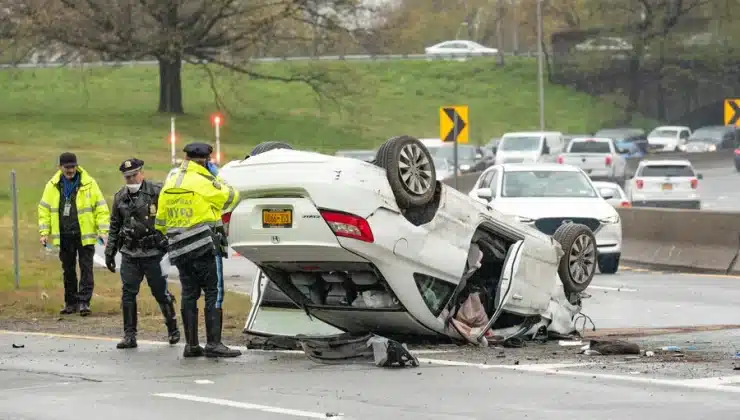
A new analysis from John Foy & Associates of 2023 National Highway Traffic Safety Administration (NHTSA) data reveals troubling insights into Georgia’s motor vehicle fatalities. Of the 40,901 traffic deaths nationwide last year, Georgia accounted for 1,615, around 4% of the national total. Alarmingly, just five counties: DeKalb, Fulton, Gwinnett, Cobb, and Richmond, were responsible for more than a quarter of those deaths.
The study found that these five counties combined accounted for 436 fatalities, or 27% of all Georgia crash deaths, underscoring their outsized contribution to the state’s overall road safety crisis.
DeKalb and Fulton Lead Fatality Counts
DeKalb County ranked as Georgia’s deadliest, with 151 fatalities. Fulton County followed closely with 112. Gwinnett, Cobb, and Richmond reported 67, 54, and 52 deaths, respectively. Together, these five counties highlight a troubling pattern: urban and suburban areas with heavy traffic flows and bustling nightlife are especially prone to crashes caused by drunk driving, speeding, and lack of safety compliance.
Gender and Age: Who Is Most at Risk
Of Georgia’s 1,615 fatalities in 2023, 70% (1,131 deaths) were male, mirroring national trends that show men are more likely to engage in risky behaviors like speeding and driving impaired. Women accounted for 30% of crash deaths (480 fatalities).
When broken down by age group, young adults bore the brunt of the risk. Drivers aged 25–34 represented 22% of fatalities across the five counties, while the broader 35–64 group accounted for 43%. Young drivers aged 16–24 made up 17%, often reflecting inexperience and higher-risk decisions behind the wheel. Meanwhile, adults 65 and older made up 14% of fatalities, and children under 16 accounted for just 3.5%, likely benefiting from safety seats and reduced time spent on the road.
Nighttime Driving: The Hidden Risk
Night driving proved particularly deadly. Of the 436 fatalities in the five counties, 310 (71%) occurred at night. DeKalb County, already the state’s deadliest, also recorded the highest nighttime toll, with 112 deaths—nearly three-quarters of its total fatalities. Fulton reported 78 nighttime fatalities, while Gwinnett, Cobb, and Richmond also showed disproportionately high nighttime crash rates.
Low visibility, driver fatigue, and a higher prevalence of impaired driving were the main culprits.
Drunk Driving: Over 1 in 4 Fatal Crashes
Alcohol impairment remains a key driver of Georgia’s traffic deaths. Across the five counties, 124 fatalities (28%) involved drivers with a blood alcohol concentration (BAC) of 0.08 or higher, the legal limit for impairment.
DeKalb again led with 45 alcohol-related deaths, while Fulton (31), Gwinnett (20), Richmond (15), and Cobb (13) followed. These figures closely mirror the national drunk-driving fatality rate of 30%, but their concentration in urban counties highlights the risks of nightlife-heavy areas.
Speeding: A Fulton County Crisis
While speeding accounted for 20% of the five-county fatalities (89 deaths), the burden was not evenly distributed. Fulton County reported 35 speeding-related deaths, representing 31% of its crash fatalities, the highest proportion statewide.
In contrast, DeKalb reported just 22 speeding deaths (15% of its total), despite having more overall fatalities. Cobb and Richmond each reported 8 speed-related deaths, while Gwinnett reported 16.
Seatbelt and Helmet Use: A Georgia Safety Gap
Perhaps the most striking finding was the role of seatbelt and helmet use. Of the 285 cases where restraint use was known, 107 fatalities (38%) involved drivers or passengers not wearing seatbelts or helmets. By contrast, the national average for unrestrained fatalities is just 8.1%.
Fulton stood out again, with nearly half of its victims (48%) unbelted or unhelmeted. Cobb followed at 42.9%, with Gwinnett at 35.3%, Richmond at 33.3%, and DeKalb at 29.8%.
Populous Cities Driving Risk
Urban centers like Atlanta (spanning Fulton and DeKalb counties), Augusta (Richmond County), Lawrenceville (Gwinnett County), and Marietta (Cobb County) all exhibit concentrated risk. High traffic volume, long commutes, and nighttime driving related to nightlife all contribute to elevated fatality counts.
Georgia vs. National Averages
Compared to the national averages, Georgia’s five counties showed:
- Drunk Driving: Near national average (30%)
- Speeding: Lower than the national average (29%), except Fulton (31%)
- Unbelted/Unhelmeted: Significantly higher than the national average (8.1%), with Fulton at nearly 48%
A Call to Action
“These numbers show that Georgia is facing an urgent safety crisis, particularly in its most populous counties,” said a spokesperson for John Foy & Associates. “What’s most troubling is that so many of these deaths could have been prevented with basic safety measures like buckling up or calling a cab after drinking.”
The firm is calling for stronger enforcement of seatbelt and DUI laws, increased education campaigns, and nighttime safety initiatives to combat the problem.
“Too many families are losing loved ones to preventable tragedies,” the spokesperson added. If Georgians committed to wearing their seatbelts and never driving impaired, hundreds of lives could be saved every year.