Behind the Scenes: How Racing Merch is Designed for Big Events
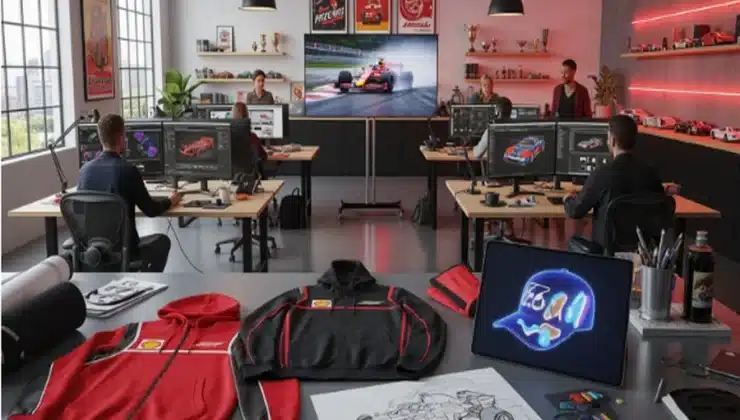
Have you ever thought about how the eye-catching racing merchandise, from hats to the popular Oscar Piastri hoodie, is created for major racing events? The process is a careful mix of creativity, planning, and teamwork. It’s not just about putting a logo on clothes; it’s about capturing the excitement of racing, the support of fans, and the energy of the sport.
Designers, marketing teams, and manufacturers all play a part to turn ideas into the stylish, fan-favorite items you see at races. All these steps are aimed at delivering high-quality products that make race days special.
Making racing merchandise for big events is a team effort involving many people. Designers, brands, and drivers work together to make sure everything reflects team pride and appeals to fans. The goal is not just to make clothing or collectibles, but to offer fans something meaningful that connects them to motorsport.
Let’s take a closer look at how racing merch is designed behind the scenes.
What Guides Racing Merch Design for Big Events?
Why Is Racing Merchandise Important at Big Races?
Racing merchandise is a key part of major racing events. It helps fans show their support and makes them feel part of the racing action. A Grand Prix without rows of fans in team colors would feel empty. Merchandise helps fans feel connected and creates a sense of community at the event.
Beyond connecting with fans, merchandise is important for marketing. Every branded item fans wear spreads the word about teams and sponsors outside the track. Shirts, jackets, and hats are seen by many people, keeping the team in the spotlight.
Plus, merchandise sales help raise money for teams and organizers, helping to support racing itself and allow further investment in new technology and talent.
How Do Event Themes and Sponsors Affect Designs?
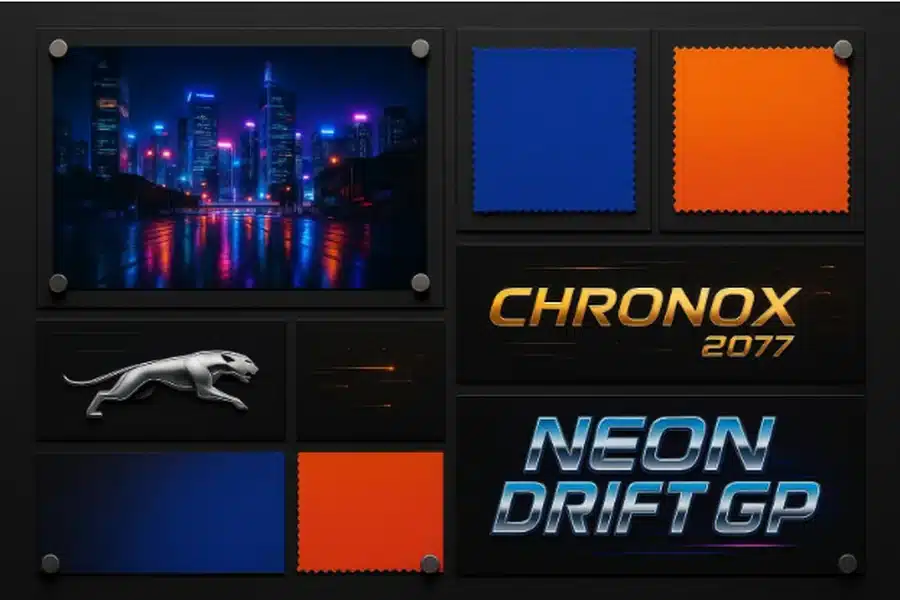
Event themes and sponsors are a big influence on how racing products look. Each race can have its own theme-like a retro look for a classic event, or a sleek style for a city race. Designers work with race organizers to match the merchandise to the atmosphere of the race.
Sponsors also need to be shown on the merch, but it’s not as simple as just adding a logo. The challenge is to blend sponsor branding in a way that looks good and fits the overall style. Designers have to find creative ways to fit sponsor colors and logos without losing appeal for fans.
Who Helps Create Racing Event Merchandise?
Which Groups Work Together on Merch Design?
Creating racing merchandise is a team task. The main team is the race team itself-like those in Formula 1 or NASCAR. Each team has its own style and branding, which must show up correctly on all products. They partner with design companies or have their own design departments to keep things consistent for their fans.
Other groups are involved, too, such as racing organizations or event promoters. They set rules and branding standards for every race, so that all merchandise follows the same guidelines. Everyone working together makes sure products look good and follow branding and licensing rules.
How Do Drivers and Brands Influence the Process?
Drivers play a big role in merch design. Their personal styles-like helmet graphics, numbers, or slogans-are often featured on products. Many drivers or their managers give feedback on designs for their own collection, because they know what their fans want.
Brands that sponsor a team or event have a lot of say, too. Their logos and branding guidelines must be followed. Sometimes, a brand will ask for special products that highlight its involvement with the race. Working with sponsors is important to keep both fans and sponsors happy and to maximize marketing impact.
How Are Merch Ideas Created for Big Events?
What Research Is Done About Racing Fans?
Good racing merchandise starts with understanding the fans. Teams use sales data from past events, run surveys, and organize focus groups to find out what fans like. They also keep an eye on social media to see what people are talking about.
Designers track wider clothing trends too, making sure merch matches current styles as well as team themes. They also look at who their fans are-young fans might prefer streetwear, while older fans may go for classic styles. This research helps them create products that fans are likely to buy and wear.
How Do Designers Pick and Improve Their Ideas?
Design begins with brainstorming sessions, mood boards, and rough sketches. These early ideas represent different ways to show off the team, event, or driver. The designs are shared with everyone involved-teams, drivers, sponsors-for feedback.
There are usually several rounds of changes before picking the best ideas. Designs are refined to make sure they follow brand rules, are likely to be popular, and can be produced easily. Once everyone agrees, samples are prepared to move the process forward.
What Steps Turn Merch Ideas into Real Products?
How Are Materials and Printing Techniques Decided?
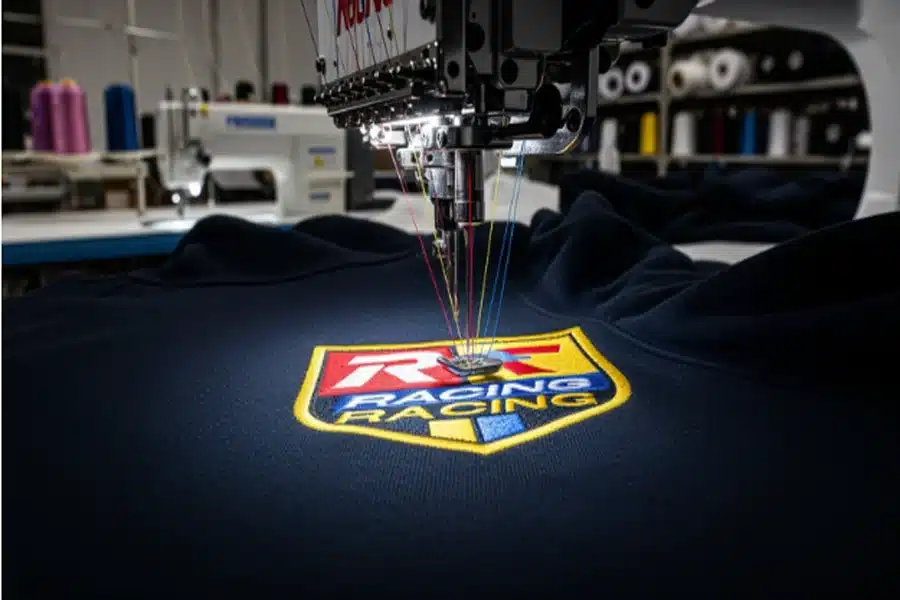
The step from design to real product means picking the right materials and printing techniques. Choosing fabric is important-fans want products to be comfortable, last long, and look good. Cotton blends work well for t-shirts and hoodies, while performance clothes use materials that keep you dry. The right print method is also chosen based on design, product type, and budget.
| Product | Material | Print Method |
| T-shirts | Cotton/Blend | Screen Printing/DTG |
| Hoodies | Cotton/Polyester | Screen Printing/Embroidery |
| Caps | Polyester/Cotton | Embroidery |
Manufacturers suggest the best technique to make sure logos and graphics look sharp and last long.
What Is the Sample and Approval Stage?
After materials and printing are chosen, samples (prototypes) are produced. These test products help check color accuracy, fit, and logo placement. This is a key time to spot problems before making thousands of items.
The samples are sent to teams, drivers, and sponsors for their review. They look over every detail, and changes might be made before full approval. Only once every group approves does full production begin. Checking samples closely helps avoid mistakes and ensures a quality final product.
How Is Merch Made in Large Quantities for Big Races?
How Are Tight Deadlines Handled?
Merchandise production for huge events moves on a strict schedule. Everything is planned months ahead-approvals, ordering materials, and manufacturing are set on a calendar. Suppliers are ready in advance to avoid shortages.
To get enough products in time, high-demand items are made first, and several factories may be used. Project management tools help teams track progress and communicate easily. Backup plans are in place to solve problems if shipping is late or any other issue pops up. This helps make sure fans get their merch on race day.
How Do Teams Keep Products Consistent and High Quality?
To deliver consistent, good-quality products, strict quality checks are done at every step. Only approved materials are used. Workers and machines are checked regularly for things like logo placement, color, and stitching quality.
Before packing, all items are checked one final time for mistakes. Color-matching systems are used to make sure team colors look the same on every item. This careful system helps fans get the best possible merchandise.
What Affects How Event Merchandise Looks and Feels?
Why Do Fans Want Racing Merch?
Fans love racing merchandise because it lets them support their teams and favorite drivers. Official colors, logos, and designs make them feel involved. Limited edition or event-only products are especially popular, because they help fans feel like part of a special group.
Fans also want designs that are comfortable and stylish-something they can wear at the track and at home. Successful merch channels the excitement and spirit of racing into products fans can wear with pride.
How Do Rules and Licensing Shape Merchandise?
Designers need to follow strict rules when it comes to using team logos, names, and driver images. These rules decide what colors, logo sizes, and fonts can be used, and where everything should go on a product.
There are also rules around safety, especially for products made for children, and about which materials and chemicals can be used. Breaking these rules can cause big problems, so legal teams check designs often. Keeping to these rules protects everyone and keeps products safe.
Does Sustainability Matter in Racing Merch?
How Do Teams Use Eco-Friendly Materials?
Sustainability is becoming more important in racing merchandise. Companies are choosing organic cotton, recycled materials, and earth-friendly dyes. Some factories recycle water and use renewable energy, helping lower the impact on the environment.
Brands are also working on reducing waste and choosing suppliers that treat workers fairly. Making racing merch greener is still ongoing, but it speaks to the changing values of fans and race teams.
How Is Event Merchandise Sold and Promoted?
How Are Special Editions Handled?
Limited edition and exclusive merchandise are used to create excitement and make fans eager to buy. These items might only be available at special locations or for a short time, and some are numbered or signed for added value.
Distribution for these products is controlled to keep them exclusive. They may be sold at certain pop-up stores, official websites, or directly at the event. Social media and team announcements help create buzz, pushing fans to buy before they miss out.
How Are Sales Increased at Events?
Boosting merch sales means getting products in front of fans. Big and small stores are set up around the event, with eye-catching displays and helpful staff. Small, lower-priced items at checkout encourage last-minute buying.
Sales are increased with special deals-like bundles, discounts, or event-only offers. Sometimes, fans can meet drivers at the merch stands, which helps attract more buyers. Pre-ordering and online sales let fans buy before or after the event, making it easier for everyone to get what they want.
Main Points from Behind the Scenes of Racing Merch Design
Looking behind the scenes at racing merch shows that it’s much more than printing a logo on a piece of clothing. It involves understanding fans, working closely with many teams, and running a detailed production process. The real success of any piece of merchandise is measured by how well it helps fans feel part of the racing world.
New materials, printing technologies, and eco-friendly practices keep changing how racing merch is made. As motorsport pushes limits on the track, racing merchandise keeps improving too, letting fans show their support with pride and style. The next time you see a racing shirt or hoodie, know there’s a lot of teamwork and planning behind it.