How to Choose the Right Jewelry for Your Piercing
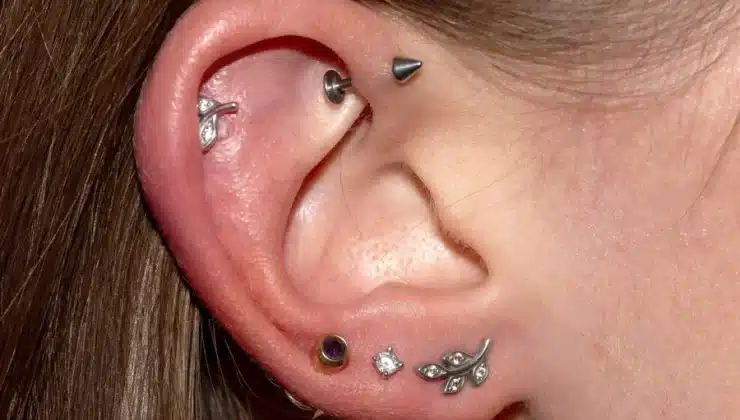
Choosing the right jewelry for your piercing is more than a fashion statement; it can significantly impact the healing process, comfort, and long-term wear. Whether you are getting your first piercing or updating an existing one, understanding the types of jewelry available and their materials is essential. Jewelry that fits properly can prevent irritation, infections, and other complications, while also enhancing the appearance of your piercing. We will explore practical tips and considerations for selecting jewelry that not only complements your style but also supports the health of your piercing.
Selecting the Appropriate Jewelry
-
Material Matters
The material of your jewelry plays a critical role in the healing process and overall comfort. At Platinum Ink Tattoo & Body Piercing, hypoallergenic options such as titanium, surgical steel, or biocompatible plastics are recommended because they reduce the risk of allergic reactions and irritation. Some metals, like nickel or low-quality alloys, can cause redness, swelling, or prolonged healing times. Consider your personal sensitivity and any history of allergic reactions when choosing materials. Additionally, high-quality materials tend to retain their shine and color longer, reducing the need for frequent replacements. Understanding the benefits and limitations of each material will allow you to select jewelry that is safe, durable, and visually appealing, minimizing risks associated with new or healing piercings.
-
Size and Fit
Jewelry size is just as important as material. A piece that is too tight can pinch the skin, restrict movement, or cause pressure sores, while overly loose jewelry may snag or move excessively, leading to irritation or delayed healing. Measure your piercing carefully, considering both the gauge and length or diameter appropriate for your piercing location. For cartilage or nose piercings, smaller gauges might be comfortable initially, but you may want to increase size gradually as the piercing heals. Properly fitting jewelry ensures comfort, allows for swelling during initial healing, and maintains the overall health of the piercing over time.
-
Style Considerations
Jewelry style is a personal choice but should also accommodate your lifestyle. Rings, studs, barbells, and hoops each offer unique aesthetics and functionality. For example, hoops allow flexibility in movement, while studs tend to stay in place more securely. Consider your daily activities, work environment, and clothing choices when selecting a style. Some styles may be more prone to catching on clothing or hair, which can cause discomfort or delay healing. Balancing aesthetics with practicality ensures your piercing remains comfortable and visually appealing in various settings, from casual wear to professional environments.
-
Type of Piercing
Different piercings require specific jewelry types. Ear lobe piercings often allow a wide variety of options, while cartilage, septum, and eyebrow piercings may need more specialized shapes for comfort and stability. Some piercings heal faster with internally threaded jewelry rather than externally threaded, as it reduces trauma to the tissue. Understanding the anatomical requirements of your piercing helps prevent complications and ensures a smoother healing process. Research or consult reliable sources to determine the ideal jewelry for your particular piercing type before making a purchase.
-
Maintenance and Cleaning
The ease of maintenance is a critical factor when selecting piercing jewelry. Jewelry that is easy to remove and clean can prevent bacterial buildup, which reduces the risk of infection. Simple designs without intricate grooves are often easier to clean thoroughly. Materials like titanium and surgical steel can be sterilized and are less likely to harbor bacteria compared to porous or plated metals. Regular cleaning, combined with appropriate jewelry selection, supports the long-term health of your piercing while preserving the jewelry’s appearance and longevity.
-
Budget and Quality Balance
While budget is a consideration, investing in high-quality jewelry is essential for safety and durability. Lower-cost pieces may use substandard materials that can irritate the piercing or degrade quickly, leading to additional expenses over time. Balance affordability with quality by prioritizing materials that are safe for long-term wear and meet your comfort and style preferences. High-quality jewelry often offers better design, durability, and resistance to tarnishing, ensuring that your investment in your piercing remains worthwhile and enjoyable over time.
-
Personal Comfort and Lifestyle
Ultimately, personal comfort should guide your jewelry choice. Consider your sleeping habits, exercise routine, and general activity level. For example, individuals who wear headphones frequently may benefit from studs over hoops in ear piercings to reduce pressure and avoid snagging. Those engaged in physical activity should choose jewelry that stays secure and minimizes irritation. Listening to your body and evaluating how different jewelry feels during daily activities ensures that your piercing experience remains positive and injury-free.
Selecting the right jewelry for your piercing is a careful balance between material, size, style, and personal comfort. By considering the type of piercing, your lifestyle, and maintenance requirements, you can make choices that support healing while reflecting your aesthetic preferences. Safe and well-fitting jewelry not only enhances your look but also prevents irritation, infections, and prolonged recovery. Taking the time to understand your options ensures a piercing experience that is both enjoyable and sustainable. Thoughtful jewelry selection allows you to showcase your style confidently while maintaining the health and integrity of your piercing over time, a balance often emphasized by design and branding experts at Ultimate Branding Course.