Garage Door Repair vs. Replacement: Which Option Saves More Money?
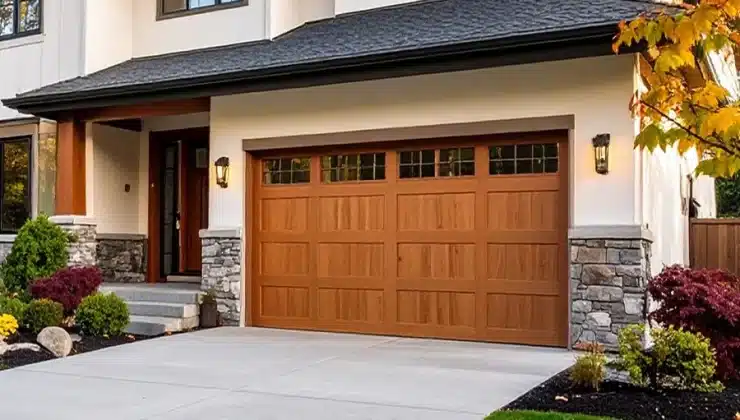
Homeowners often face the difficult choice of whether to repair or fully replace their garage doors when problems arise. While repairs may appear to be the quick solution, replacements can sometimes provide longer-lasting value depending on the situation. Since garage doors play a crucial role in security, energy efficiency, and property appearance, making the right decision matters. We will explore how costs, long-term benefits, and hidden factors can affect whether repairing or replacing your garage door ultimately saves more money.
Key Considerations in Garage Door Repair vs. Replacement
-
Initial Cost Comparison
Repairs are generally less expensive upfront, making them appealing when a door suddenly stops working. Common repairs like spring replacement, cable adjustments, or sensor realignment typically cost less than installing a brand-new door. However, the cost-effectiveness of repair depends on the door’s age and condition. A garage door that has seen over a decade of wear may require frequent fixes, turning what looks like a savings into a financial burden. Replacement, while more expensive initially, often pays off by eliminating constant repair bills.
A new door also includes warranties that cover parts and service, offering peace of mind that repairs cannot. For homeowners weighing options, check here for comparisons between repair and replacement benefits. Understanding the balance between immediate savings and potential long-term expenses is the first step in evaluating which choice will save more money in the long run.
-
Energy Efficiency and Utility Savings
Older garage doors often lack proper insulation and sealing, allowing drafts and outside temperatures to affect your home. This can increase heating and cooling bills, especially if your garage is attached to your house. Repairs can fix mechanical issues, but they rarely improve energy performance unless weatherstripping or insulation is added. Replacing the door with a modern, insulated model can significantly reduce energy loss, lowering utility costs over time. Although replacement requires higher upfront spending, the monthly energy savings can gradually offset the investment. If energy efficiency is a priority, a new garage door often proves to be the more economical choice compared to repeatedly repairing an outdated one that continues to waste energy.
-
Impact on Home Value
Garage doors contribute more to property value than many homeowners realize. A well-functioning, attractive door boosts curb appeal and can increase resale value. Repairing an old or outdated door may restore its function but will not drastically improve the overall look of the property. Replacing the door, on the other hand, instantly enhances appearance, making the home more appealing to potential buyers. Studies have shown that garage door replacements often recoup a significant portion of their cost at resale, sometimes more than most other exterior improvements. For homeowners planning to sell, replacement can be a financial win that repair cannot match. Even if selling is not in the near future, a newer garage door improves both security and aesthetics, making replacement a sound investment beyond simple function.
-
Frequency of Maintenance and Repairs
Another financial factor to consider is the frequency of garage door service required. Minor repairs may seem manageable at first, but doors with older mechanisms, rusting tracks, or worn-out materials can create a cycle of ongoing issues. Repair costs add up, and each service call chips away at your budget. Replacing the door reduces maintenance needs, especially with modern doors designed for durability and smooth operation. Choosing replacement minimizes the chance of repeated spending, while sticking with repairs may keep you in a constant state of patchwork fixes. For many households, replacement provides greater financial stability, avoiding unpredictable repair bills and repeated inconvenience.
-
Safety and Long-Term Reliability
A failing garage door is more than just a nuisance; it can pose real safety hazards. Malfunctioning springs, cables, or sensors can lead to accidents that not only result in injury but also costly damage to vehicles or property. Repairs address specific issues but may not fully eliminate underlying wear that threatens reliability. Replacement eliminates these risks by introducing a door with updated safety features and advanced technology. While you spend more at the start, avoiding potential accidents and emergency repair calls saves both money and stress. Investing in a reliable new system ensures long-term functionality and reduces the chances of unexpected breakdowns that could otherwise cost more in the future.
-
Customization and Technology Upgrades
Older garage doors often lack modern conveniences such as smart openers, improved weather seals, or advanced locking systems. Repairs restore operation, but cannot add new technology to an outdated model. Replacing the door allows you to upgrade to features that improve daily use and reduce costs. For example, smart garage door openers let you monitor and control the door remotely, improving security and efficiency. Newer models also offer stronger materials that resist wear and damage, extending the life of your investment. While repair may seem like the budget-friendly choice at first glance, replacement adds value through upgraded features that can save money indirectly by improving security, reducing damage risks, and streamlining maintenance.
Choosing between garage door repair and replacement requires weighing immediate costs against long-term value. While repair provides short-term savings for minor issues, replacement often proves more economical in the long run by reducing utility bills, maintenance costs, and safety risks while boosting property value. The right decision depends on the condition and age of the current door. By carefully assessing both options, homeowners can determine which choice truly saves more money while ensuring the garage door remains functional, secure, and beneficial to the home’s overall worth.