Why Structural Assessments Are Crucial Before Renovation

Starting a renovation, whether for a cozy home or a busy commercial space, is exciting. You picture a new look and better function. But before any walls come down or new framing goes up, one step is very important for safety, success, and long-term results: a structural assessment.
Without knowing the condition of the current structure, you could run into hidden problems-often costly and unsafe-that can stop your project. This early check acts like a roadmap, pointing out weak spots and helping you build plans that are safe as well as attractive.
This matters even more for commercial buildings, where bigger changes affect load-bearing parts and code rules. For example, planning extensive commercial roof repairs or a full roof replacement should include a full review of the whole building, not just the roof.
Many renovations run into trouble because of structural issues that could have been found early. By taking time to do a full structural assessment first, you avoid setbacks and set up a smoother, more successful build. It’s more than a suggestion; it’s a must for any major structural change so your property stays safe, meets code, and holds its value.
What Is a Structural Assessment Before Renovation?
A structural assessment is a close look at the “bones” of a building. Licensed structural engineers review the stability, safety, and overall condition of the structure. Unlike a general home inspection that focuses on visible defects, this review targets load-bearing parts and stability concerns that support the entire building. This detailed work is very important before renovation because it reveals hidden problems that could affect safety, function, and cost.
The main goal is to see if the existing structure can safely handle the changes you plan to make, from small layout tweaks to large additions. Without this insight, you are building blind and could put the structure and its occupants at risk.
Before embarking on any renovation project, it’s essential to understand the existing structural conditions to ensure safety and compliance with building codes. A thorough assessment can identify potential issues that might not be visible at first glance, such as hidden water damage or foundational weaknesses. For those looking to delve deeper into the importance of these evaluations and how they can impact your renovation plans, click here for details. This resource provides valuable insights into the process and benefits of conducting a comprehensive structural assessment, helping you make informed decisions and avoid costly surprises during your renovation journey.
What Does a Structural Assessment Include?
A full structural assessment is far more than a quick look. It uses a careful, multi-step approach to check a building’s structural health:
- Visual checks: cracks (especially diagonal or stair-step), corrosion, foundation settlement, uneven or sagging floors, doors/windows that stick, and water damage in structural parts
- Load review: live loads (people, furniture) and environmental loads (wind, snow, earthquakes)
- Material testing: sampling concrete, steel, and wood to check strength and condition
- Structural modeling: software to study forces, deflection, and stress points
- Code review: checking local codes, safety rules, and industry standards
This full approach leaves no major gaps in understanding the building’s strength and limits.
Who Performs Structural Assessments?
This is not a DIY task or something a general contractor should handle alone. It requires licensed structural engineers with training in physics, materials, and building codes. They spot subtle warning signs, do complex load checks, and recommend practical fixes.
Sometimes a home or commercial inspector works with a structural engineer if their first review finds concerns. Still, the final word on structural safety comes from a qualified structural engineering firm.
Firms like DPAE Structural or AS Construction & Structural Engineering offer full evaluations and clear, actionable advice so structural issues are handled before work begins.
Why Checking Structural Integrity Matters Before Renovation
People renovate to improve looks or function. But skipping a check of the building’s structure is like building on sand. A pre-renovation structural assessment is a key safeguard so your plans do not weaken the building or create safety risks.
Renovations can add new loads and stress to the existing frame. Without a clear view of the current condition, you could trigger problems that lead to costly fixes, delays, or even major failures. Checking early helps you spot issues, add reinforcements where needed, and complete a safe and successful upgrade.
Prevents Uncovering Hidden Structural Risks
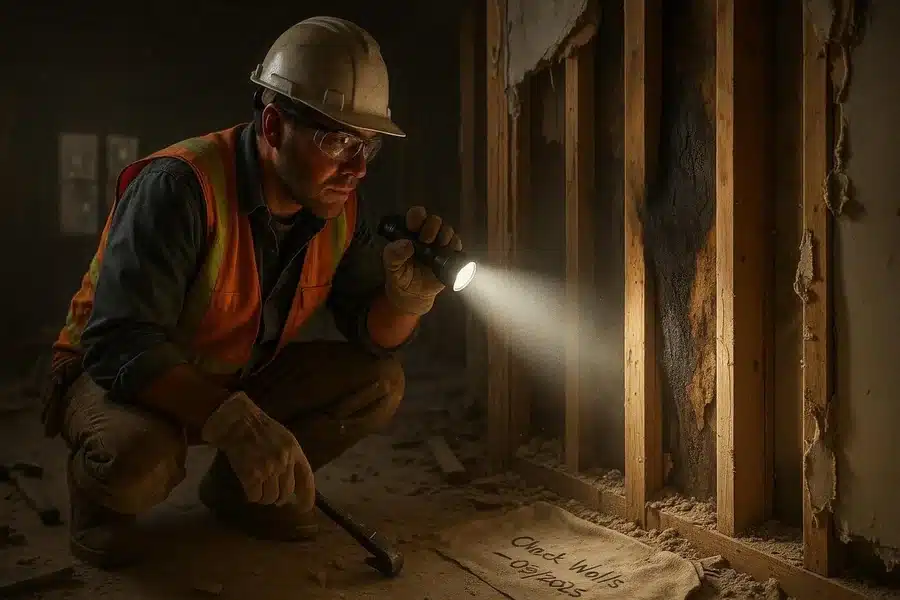
Renovations often reveal surprises behind plaster, drywall, or flooring. Hidden issues can include water damage, cracked members, or settled foundations. A structural assessment brings these to light before work starts so you can act early instead of reacting mid-project.
Finding weak spots early saves time, money, and stress. Engineers review hidden challenges and suggest fixes that keep the structure stable. This foresight turns potential roadblocks into manageable tasks.
Improves Safety for Occupants and Workers
Safety should always come first. Without a structural assessment, renovation work might weaken the building and put workers and future occupants in danger. Removing a load-bearing wall without proper support, for example, can cause sagging or worse.
A structural assessment finds weak foundations, walls, and beams and helps make sure planned changes do not reduce stability. You gain peace of mind that your building can handle the work safely and that changes follow building codes, protecting everyone on site and after completion.
Confirms Feasibility of Design and Expansion Plans
Every renovation starts with a vision, but design must match the building’s limits. A structural assessment checks whether ideas like an open-plan layout or a new second floor can be built safely. Engineers test load capacity and offer alternatives if needed.
This review shows if the current frame can support extra weight, new layouts, or changed elements. It keeps you from spending on plans that won’t work or would weaken the building. With an engineer’s input, you can explore creative designs that stay practical and safe.
Addresses Aging Infrastructure and Building Deterioration
Many renovations involve older buildings with aging materials. Over time, steel can corrode, concrete can crack, masonry can fail, and wood can weaken. A structural assessment checks how far this has gone and recommends repairs or replacement.
If ignored, old materials may not handle added loads from new fixtures, utilities, or layout changes. Regular structural reviews help plan reinforcements and repairs before issues grow, so the building holds up to time, weather, and use.
How Structural Assessments Safeguard Your Investment
Renovation is a major expense, and it needs protection. A structural assessment acts like a strong shield. It helps prevent surprise problems, lowers risk, and improves long-term value. It turns renovation from a gamble into a well-planned project.
By handling structural concerns early, you protect both the building and your budget. This matters for homeowners and commercial property managers alike, helping the money you spend deliver lasting results instead of new liabilities.
Reduces the Risk of Unexpected Costs
Surprise costs often pop up when hidden structural issues appear mid-construction. You might remove a wall and find a damaged beam that needs a major fix. These shocks can blow up budgets and timelines.
Bringing in a structural engineer early can save a lot by spotting issues in advance. Early fixes mean better budgets and fewer mid-project surprises, keeping the job on track.
Protects Against Costly Structural Failures
The worst outcome of skipping a structural review is a failure that makes part or all of the building unsafe. That can wipe out your investment and add demolition, rebuild, and legal costs.
A structural assessment lowers that risk by finding weaknesses and calling for reinforcements before work starts. Addressing concerns early helps avoid mid-project fixes and liability, protecting both people and property.
Supports Property Value and Marketability
A sound structure helps a property hold-and often increase-its value. Poor renovations or ignored structural problems can do the opposite. A structural assessment gives a clear picture so you can make smart choices that protect value.
Buyers and tenants prefer buildings with documented structural safety. Fixing deal-breakers like foundation issues or weak framing during renovation can boost appeal, speed up sales or leasing, and protect your asset long term.
What Are the Common Structural Issues Revealed by Assessments?
Structural assessments act like an X-ray for your building. They uncover problems that you might not see but that can affect safety and lifespan if left alone. Knowing the common issues helps you prepare for what the report might find.
A building’s strength depends on many parts working together. When one part fails, others can feel the impact. A thorough assessment checks each key area to give a full picture of structural health.
Foundation and Footing Weaknesses
The foundation carries the whole building. Problems here can cause issues everywhere else. Common findings include cracks, settlement, and water damage. Engineers look for signs like shifting soil, gaps, or moisture that may call for reinforcement.
Checking foundation stability early helps avoid long chains of repairs later and supports everything you build above.
Compromised Load-Bearing Walls and Beams
Load-bearing walls, beams, and joists move weight to the foundation. Layout changes must respect how loads move. Assessments often find weakened members due to water, pests, or wear.
Engineers decide if you need steel beams, LVLs, or extra posts, especially when removing walls or adding floors. Skipping this step can lead to serious instability.
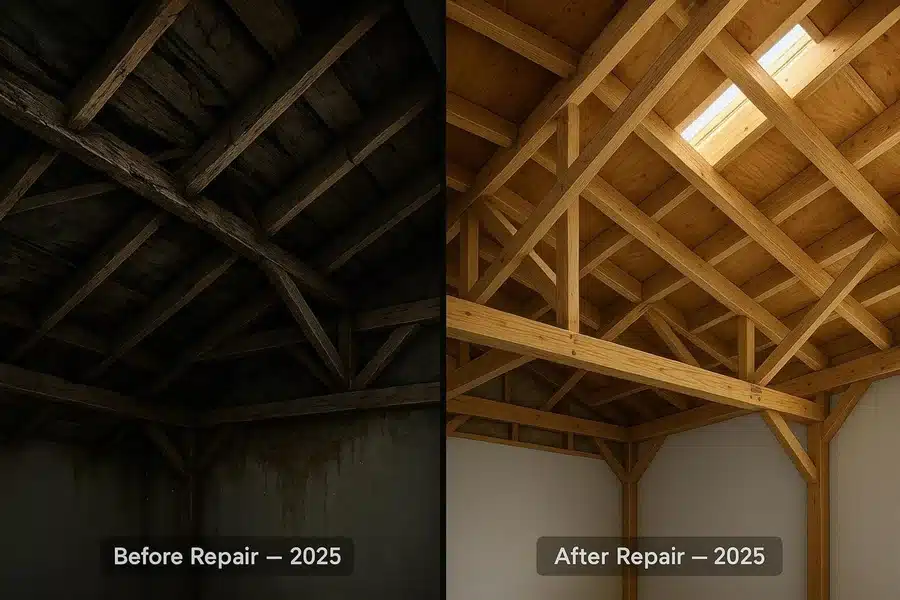
Roofing and Ceiling Stability Problems
Degraded Materials and Water Damage
Materials wear out. Older buildings may have framing or methods that no longer meet current safety standards. Assessments look for corroded steel, brittle concrete, failing masonry, and weakened wood to decide if repair or replacement is needed.
Water is a frequent cause of damage. Reports identify where water has entered or could enter so you can repair and stop future moisture problems as part of the renovation plan.
| Issue | Common Signs | Typical Fixes |
| Foundation settlement | Stair-step cracks, sloped floors, sticking doors | Underpinning, drainage fixes, soil stabilization |
| Weak beams/joists | Sagging floors/ceilings, cracked plaster | Sistering, steel/LVL beams, added posts |
| Roof/truss problems | Leaks, bowing, water stains | Truss repair, sheathing replacement, load reduction |
| Water damage | Rot, rust, mold, musty smells | Replace damaged members, waterproofing, better ventilation |
When Should You Involve a Structural Engineer in Renovation Projects?
Structural assessments help on almost any project, but some jobs make a structural engineer not just helpful but necessary. Knowing when to call one can save you headaches, money, and safety risks.
A simple rule: if your plans go beyond cosmetic changes and touch the frame or load-bearing parts, bring in a structural engineer. Their skills help you build safely and follow standards.
Major Renovations Needing Wall Removal or Additions
If you plan to remove walls-especially ones that might carry loads-or add floors or extensions, involve a structural engineer. Taking out a load-bearing wall without support can cause sagging or worse. Adding a floor raises vertical loads and may need reinforcements.
Engineers run load checks, spot risks, and recommend supports that keep the building safe. They work with designers so your vision stays feasible and secure.
Conversions or Change of Use Projects
Changing how a building is used-like turning a house into a business or an industrial site into housing-usually needs a structural review. Different uses mean different loads, exits, and code rules.
A structural engineer checks if the structure can handle more people, heavier equipment, or new safety needs. This helps the building stay safe and meet the right codes for its new purpose.
Commercial Properties and Multi-Unit Buildings
Commercial and multi-unit buildings carry higher risk due to more people and more complex structures. Any renovation should include a structural engineer. These projects often affect load-bearing elements, foundations, and strict code requirements, including fire safety, accessibility, and seismic rules.
Working with a commercial structural engineer helps changes meet code, lower liability, and protect long-term operations.
What Is the Process for a Structural Assessment Before Renovation?
Knowing the steps helps explain how careful and complete a structural assessment is. It is not one-size-fits-all. Instead, it’s a step-by-step study that gives a clear view of your building before major work begins.
Each stage adds detail and ends with practical guidance you can use to plan and build with confidence.
Initial Visual Inspection and On-Site Evaluation
The process starts with a visual check and site visit. Engineers gather the building’s history, how it’s used, and your concerns. They inspect foundations, walls, beams, floors, and roofs for cracks, corrosion, settlement, movement, leaks, and material wear.
This stage is mostly non-invasive but very useful for deciding where to look deeper. Tools may include laser scanning and drones to document conditions and spot risks.
Detailed Analysis and Structural Calculations
After the first visit, the engineer takes a closer look. They calculate loads for people, furniture, wind, snow, and earthquakes. They may test materials like concrete, steel, and wood for strength and durability. If needed, they use software to model forces and stress points.
Code checks are also an important part of this step to match local rules, safety standards, and accepted practices. The results show the building’s capacity and how your plans will affect it.
Reporting, Recommendations, and Next Steps
The assessment ends with a detailed report explaining findings and next steps. It often includes photos, diagrams, and plain-language notes. Owners, insurers, and lenders use these reports for records, valuations, and compliance.
Beyond spotting problems, the report gives specific recommendations for repairs, reinforcement, or design changes to keep the structure safe and durable. If work is needed, engineers can help with design and construction oversight so their guidance is followed. This thorough document supports good decisions and can be shared with officials or lenders as proof of due diligence.
How Structural Assessments Impact Building Codes and Permits
Renovation is not just about looks and function; it also has to meet rules. Any change that affects structure must follow local and national codes. Structural assessments play a big role in working through these rules so your project moves forward legally.
If you miss requirements, you risk fines, failed inspections, stop-work orders, or legal trouble. A structural assessment helps you start with safe, code-ready plans.
Meeting Local and National Building Standards
Codes protect safety and building life. Engineers know these rules, which can vary by city and by building type. For example, commercial buildings often face stricter rules for fire, access, and earthquakes than homes. Older homes may also use framing methods that no longer meet current standards.
A structural assessment helps confirm your building meets needed rules and flags where updates or reinforcements are required, especially on big jobs like additions or foundation changes.
Facilitating a Smoother Permit Approval Process
Many renovations need permits. A structural engineer’s knowledge of codes helps owners understand which permits they need and fix potential issues before construction starts. This proactive step often speeds up approvals.
Clear reports and well-documented plans from engineers help move permits along, saving time and avoiding problems. Showing that your plans were reviewed for structural safety and code compliance can cut delays and prevent penalties.
Providing Proper Documentation for Compliance
Beyond meeting codes, a structural assessment produces documents that prove compliance. The engineer’s report is official evidence of stability and quality for regulators, insurers, and future buyers.
Good records show the condition before and after work and help avoid disputes later. Careful record-keeping is an important part of responsible renovation management.
What Are the Benefits of Structural Assessments for Sustainable and Energy-Efficient Renovations?
More projects today aim for lower energy use and greener materials along with better looks and function. A structural assessment supports these goals by linking green upgrades with strong, long-lasting construction.
By knowing what the current structure can handle, engineers guide plans to solutions that are both sustainable and strong. This way, your energy upgrades rest on a stable base that will last.
Improving Long-Term Durability and Resource Use
Sustainability is about building to last and using resources wisely. A structural assessment helps by spotting weak points and calling for fixes that extend a building’s life. That reduces the need for big future repairs or tear-downs, which consume a lot of resources.
Assessments can also show where you can reinforce or reuse materials instead of replacing them, cutting waste and keeping more materials out of landfills.
Supporting Sustainable Material Upgrades
Green renovations often add eco-friendly materials and energy-saving systems. A structural assessment checks how to add these safely. Engineers can confirm if reclaimed wood or recycled steel fit the current structure and perform well.
The review also looks at load limits and insulation needs so you can add better windows, more insulation, solar panels, or green roofs without overloading the building. With the right limits in mind, you can pick HVAC upgrades or smart controls that fit safely and work well for years.
Choosing Qualified Professionals for Pre-Renovation Structural Assessments
Your assessment-and your project-depend on the right experts. This work needs special training, experience, and a clear view of both engineering and construction. Picking the right partner builds safety, compliance, and peace of mind.
Choose firms with a strong track record in renovations, solid knowledge of local codes, and clear communication. They do more than find problems-they help you reach your design goals safely.
What to Look For in a Structural Engineer or Inspection Firm
Use these points when selecting a structural engineer or firm:
- Licensing and accreditation in your region
- Proven renovation experience, especially with older buildings
- Clear explanations in plain language and actionable advice
- References and similar project examples
- Thorough evaluations with findings, recommendations, and next steps
These qualities help you get a full picture of your building’s health and a practical plan forward.
Collaboration With Designers, Contractors, and Other Experts
A structural assessment is part of a larger team effort. Your engineer should work well with architects, designers, contractors, and inspectors. When everyone aligns, projects run smoother.
Engineering input guides design choices so plans are buildable and safe. Engineers also coordinate with contractors during repairs or reinforcements to keep work to standard. Good communication among all parties reduces mistakes and leads to a safer, better-looking result.
Key Takeaways for Planning a Renovation with Structural Assessments
Structural assessments are not a box to tick-they are the base of a successful renovation. They bring clarity and confidence so you can make smart choices that fit your vision and budget while reducing risk.
This proactive step protects your investment and improves teamwork among contractors, architects, and engineers. It strengthens the project from the inside out, avoids problems that could derail progress, and helps your improvements last. By using structural assessments, you make sure every upgrade-from open plans to energy retrofits-rests on a structure that can handle the change. The long-term gains-better safety, fewer surprises, higher value, and greener results-make a thorough structural assessment a very smart choice.