Turn Any Asset Into Digital Gold: Stobox Makes Tokenization as Easy as Building a Website
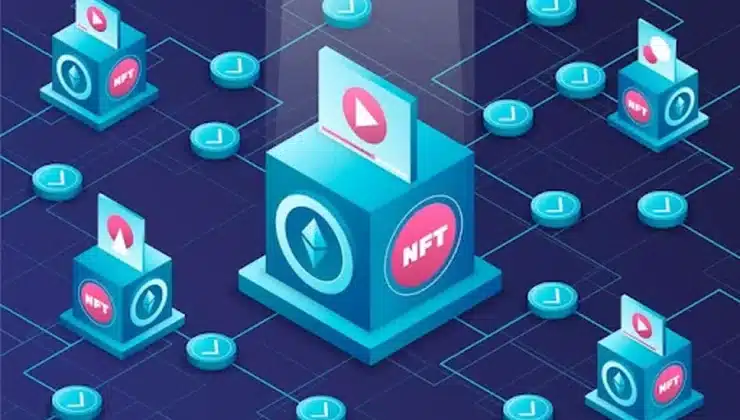
You own a piece of commercial real estate worth $2 million. It generates steady rental income, but your money is completely locked up. You can’t sell part of it when you need cash. You can’t easily find investors to help you buy more properties. Your wealth sits there, valuable but inflexible, like gold bars in a vault.
What if you could change that overnight? What if your real estate could become as liquid as stocks, accessible to investors worldwide, and tradeable 24/7? That’s exactly what’s happening right now, and it’s not some distant future technology. Companies are already turning their assets into digital tokens, raising millions from global investors, and creating entirely new ways to build wealth.
The transformation is happening whether you participate or not. The question is: will you be among the first to unlock your assets’ full potential, or will you watch from the sidelines as others capture the advantages of digital ownership?
From Real Estate to Private Jets: What You Can Actually Tokenize
The scope of assets that can be tokenized extends far beyond what most people imagine. If something has value and generates returns, it can likely be converted into digital tokens that represent ownership shares. This isn’t theoretical – real projects are tokenizing diverse assets across multiple industries right now.
Real estate leads the tokenization revolution because property values are substantial, ownership structures are well-established, and rental income provides clear returns for investors. Commercial buildings, luxury developments, and even individual residential properties are being divided into digital shares that investors can purchase and trade. Instead of needing $500,000 to invest in commercial real estate, you might buy tokens representing $5,000 worth of ownership.
Natural resources represent another major tokenization opportunity. Oil fields, mining operations, agricultural land, and mineral rights all generate predictable cash flows that make them attractive to investors. A tokenization service can divide a $50 million mining operation into millions of individual tokens, allowing small investors to participate in resource extraction profits previously available only to major corporations.
Private equity and business ownership create fascinating tokenization possibilities. Instead of seeking traditional venture capital or bank loans, companies can tokenize portions of their business, allowing customers, employees, or supporters to become partial owners. A successful restaurant chain might tokenize expansion plans, giving loyal customers ownership stakes in new locations.
Luxury assets like art, collectibles, and high-end vehicles are also being tokenized. A $10 million art piece can be divided into tokens allowing hundreds of people to own shares in a masterpiece. Private jets, yachts, and rare collectibles all become accessible to broader investor bases through tokenization.
Key categories of tokenizable assets include:
Physical Assets:
- Commercial and residential real estate properties
- Natural resource extraction operations and mineral rights
- Agricultural land and farming operations
- Luxury items including art, collectibles, and vehicles
Business Assets:
- Revenue streams from existing businesses
- Intellectual property rights and licensing deals
- Equipment and machinery with ongoing value
- Business expansion projects and new ventures
Financial Assets:
- Debt instruments and loan portfolios
- Investment funds and portfolio strategies
- Insurance policies and structured products
- Future cash flows and royalty payments
The unifying factor across all these categories is that tokenization makes previously illiquid assets liquid, expensive investments affordable, and local opportunities global.
The $305 Million Secret: Why Big Players Are Going Digital
Smart money doesn’t follow trends – it creates them. The fact that major institutions and sophisticated investors are already tokenizing hundreds of millions in assets reveals something important about where the financial world is heading. They’re not experimenting with tokenization; they’re positioning themselves for a fundamental shift in how assets are owned and traded.
The $305 million in tokenized assets on Stobox’s platform alone represents just a tiny fraction of what’s coming. Financial institutions like JPMorgan, Goldman Sachs, and BlackRock are investing heavily in tokenization infrastructure because they see the mathematical advantages it provides over traditional asset management.
Cost reduction drives much of the institutional interest. Traditional asset management involves numerous intermediaries, each taking fees that reduce investor returns. Tokenization eliminates many of these middlemen through automated smart contracts that handle distribution, compliance, and record-keeping automatically. Lower costs mean higher returns for both asset owners and investors.
Liquidity improvement creates additional value that institutions recognize. Traditional private investments lock up capital for years with limited exit options. Tokenized assets can potentially be traded continuously, allowing investors to adjust their positions based on changing circumstances or opportunities. This flexibility commands premium valuations in today’s fast-moving markets.
Global access multiplies potential investor bases exponentially. A traditional real estate investment might attract investors from one city or region. Tokenized real estate can reach investors worldwide, increasing demand and potentially driving higher valuations through expanded market participation.
Regulatory compliance becomes more manageable through automated systems that ensure all transactions meet applicable requirements. Instead of manual compliance monitoring that’s expensive and error-prone, smart contracts can enforce regulations automatically, reducing both costs and risks for asset managers.
The institutional adoption creates a network effect that benefits all tokenization participants. As more major players use tokenization infrastructure, the systems become more robust, regulatory frameworks mature, and investor confidence increases. Early adopters position themselves advantageously within this expanding ecosystem.
No Blockchain Degree Required: How Stobox 4 Eliminates the Tech Nightmare
The biggest barrier to tokenization has traditionally been technical complexity. Creating smart contracts, ensuring blockchain security, managing multi-jurisdictional compliance, and building investor interfaces required extensive technical expertise that most asset owners simply don’t possess. This complexity gap has prevented many valuable assets from being tokenized.
Modern tokenization platforms eliminate this technical barrier by providing comprehensive, user-friendly interfaces that handle blockchain complexity behind the scenes. Just as WordPress made website creation accessible to non-programmers, platforms like Stobox 4 make tokenization accessible to anyone with valuable assets, regardless of their technical background.
The platform handles smart contract creation automatically based on your asset specifications and business requirements. Instead of hiring blockchain developers and spending months on custom programming, you input your asset details and the system generates appropriate smart contracts that handle ownership tracking, distribution payments, and compliance monitoring.
Multi-blockchain support ensures your tokens can operate on the most appropriate networks for your specific needs. Different blockchains offer different advantages in terms of transaction costs, speed, and regulatory compliance. The platform manages these technical decisions based on your requirements rather than forcing you to become an expert in blockchain architectures.
Compliance automation addresses one of the most complex aspects of tokenization. Securities regulations, anti-money laundering requirements, and investor verification processes vary significantly across jurisdictions. The platform’s compliance framework handles these requirements automatically, ensuring your tokenization remains legally compliant without requiring extensive legal expertise.
Investor management becomes streamlined through integrated interfaces that handle everything from initial investment processing to ongoing distribution payments. Instead of managing complex investor relations manually, the platform automates most routine interactions while providing transparency and control over strategic decisions.
The user experience mirrors familiar business software rather than requiring cryptocurrency expertise. Asset owners can monitor their tokenization performance, adjust parameters, and communicate with investors through intuitive dashboards that feel more like traditional business management tools than blockchain applications.
Global Investors, Local Assets: Breaking Geographic Money Barriers
Traditional asset investment suffers from geographic limitations that restrict both investor access and asset owner opportunities. A valuable commercial property in Miami might only attract investors from Florida or the southeastern United States due to practical limitations around due diligence, legal complexity, and ongoing management requirements.
Tokenization eliminates these geographic constraints by creating digital ownership that transcends physical boundaries. Investors in Asia, Europe, and South America can easily participate in Miami real estate investments through token ownership, dramatically expanding the potential investor base for any given asset.
This geographic expansion creates competitive advantages for both investors and asset owners. Investors gain access to opportunities previously unavailable due to location constraints. A German investor might discover superior returns available in Canadian real estate or American business ventures that weren’t practically accessible through traditional investment channels.
Asset owners benefit from expanded demand that can drive higher valuations and faster capital raising. Instead of competing for investment dollars within limited local markets, tokenized assets can access global capital pools where demand might be stronger and competition less intense.
Currency and payment flexibility further enhances global accessibility. Traditional international investments often involve complex currency exchange processes and banking relationships that create barriers for smaller investors. Tokenization platforms can accept payments in multiple currencies and cryptocurrencies, simplifying the investment process for international participants.
Regulatory harmonization through sophisticated compliance systems enables legal participation across multiple jurisdictions simultaneously. Instead of creating separate investment vehicles for different countries, tokenization platforms can manage multi-jurisdictional compliance automatically, opening assets to the broadest possible investor base while maintaining legal compliance everywhere.
Compliance Made Simple: Navigate Regulations Without an Army of Lawyers
Regulatory compliance represents the most intimidating aspect of tokenization for most asset owners. Securities laws, international regulations, and compliance monitoring requirements seem to demand extensive legal expertise and ongoing professional support that can cost more than the benefits tokenization provides.
Professional tokenization service platforms address this challenge through automated compliance systems that handle regulatory requirements without requiring extensive legal knowledge from asset owners. These systems incorporate regulatory expertise into automated processes that ensure ongoing compliance across multiple jurisdictions.
The compliance automation begins with proper legal structure creation that ensures your tokenization meets securities law requirements. Instead of researching complex regulations yourself, the platform’s legal framework generates appropriate documentation and structures based on your asset type and target investor base.
Ongoing compliance monitoring handles the dynamic requirements that change as regulations evolve and your investor base grows. Manual compliance management becomes impossible as token holders increase and regulatory requirements shift. Automated systems track these changes and adjust compliance procedures automatically.
Investor verification and anti-money laundering compliance operate seamlessly through integrated systems that verify investor identity and legal status without creating friction in the investment process. These systems balance regulatory requirements with user experience to ensure compliance doesn’t prevent legitimate investors from participating.
Reporting and documentation generation provides the transparency that regulators require while minimizing administrative burden on asset owners. Instead of creating compliance reports manually, automated systems generate required documentation based on ongoing transaction and investor data.
Key compliance areas handled automatically include:
Securities Law Compliance:
- Proper legal structure creation and documentation
- Investor accreditation verification and record-keeping
- Required disclosure document generation and maintenance
- Ongoing reporting and transparency requirements
International Regulatory Management:
- Multi-jurisdictional compliance across target markets
- Anti-money laundering and know-your-customer verification
- Cross-border investment regulation compliance
- Currency and payment processing legal requirements
Operational Compliance:
- Investor communication and voting rights management
- Distribution calculation and payment processing
- Record-keeping and audit trail maintenance
- Regulatory change monitoring and implementation
Your First Digital Asset in 30 Days: The Step-by-Step Reality Check
The journey from traditional asset ownership to tokenized digital ownership happens faster than most people expect. While the concept might seem complex, the actual process through modern tokenization platforms can be completed within weeks rather than months or years.
Week one typically involves initial consultation and asset evaluation to determine the most appropriate tokenization structure for your specific situation. This includes assessing asset value, cash flow patterns, regulatory requirements, and target investor profile to design an optimal tokenization strategy.
Week two focuses on legal structure creation and documentation preparation. The platform’s automated systems generate required legal documents, establish appropriate corporate structures, and prepare investor materials based on your asset specifications and regulatory requirements.
Week three handles technical implementation including smart contract creation, blockchain deployment, and investor interface setup. The platform manages all technical aspects while you review and approve the investor-facing materials and tokenization parameters.
Week four involves final testing, compliance verification, and launch preparation. This includes investor portal testing, payment system verification, and final regulatory review to ensure everything operates correctly before going live.
The timeline can be compressed or extended based on asset complexity and specific requirements, but most straightforward tokenization projects can be completed within this 30-day framework. More complex assets or unique regulatory situations might require additional time, while simpler assets could potentially be tokenized even faster.
Post-launch operations become largely automated, with the platform handling investor onboarding, distribution payments, compliance monitoring, and routine investor communications. Asset owners maintain strategic control while operational complexity is managed automatically.
The transformation from illiquid traditional asset to globally accessible digital tokens represents more than just a technological upgrade – it’s a fundamental shift toward more efficient, accessible, and profitable asset ownership. Whether you’re looking to unlock liquidity from existing assets, raise capital for new ventures, or provide investment opportunities to a broader audience, tokenization offers capabilities that simply weren’t possible in the traditional financial system.
The technology exists today. The regulatory frameworks are established. The investor demand is proven. The only question remaining is whether you’ll be among the early adopters who capture the advantages of digital asset ownership, or whether you’ll wait and watch as others transform their assets into digital gold.