Iconic Slang and Phrases Made Popular by Movies and TV Shows
When was the last time you quoted a movie line? Witty or funny lines, even those that are just touching, get so popular that they quite literally get their own life.
This article will remind you of some of the most well-known quotes that have jumped from the world of entertainment into our lives. Let’s explore where these elements originated from, their original meanings, and how we use them now.
“As if!” — Clueless
The 90s movie Clueless introduced us to a bunch of new slang, but nothing landed quite like “As if!” Cher, the movie’s star, said it constantly. Anytime she heard something that felt off or just plain wrong, that was her go-to response. Someone says something ridiculous? She’d shoot back an “as if!” with a casual hair toss. It was the perfect way to shut down a bad idea without a big, dramatic fuss.
The phrase was short, snappy, with tons of sass and a whole lot of attitude; the ultimate distilled 90s vibe. Fast forward to the present, and it’s pretty mind-blowing how many teens are still whipping out that throwback phrase since the film came out.
It’s turned out to be this universal timeless classic for saying “no way” or “you gotta be kidding me” in a tongue-in-cheek kind of way. People still break it out today, often just to have a little fun nodding back to goofy times that are just plain silly.
“Here’s looking at you, kid.” — Casablanca
That line is from Casablanca, the most romantic line ever written for film for many. The final goodbye between Rick and Ilsa is the scene everyone remembers. On the surface, it’s just a casual goodbye. Two people with a long, complicated history.
But it’s so much more than that. In that moment, Rick is letting Ilsa go to safety. It’s killing him. The line goes beyond just saying goodbye. It’s a statement; she’ll always be a part of him. He’ll always be a part of her. It’s a raw mix of love, pain, and calm resignation. That’s why the line has become a symbol of a love that never really dies.
Today, people use it as a classic toast. It’s a nice way to tell someone they matter, all wrapped up in old Hollywood romance.
“Winter is coming.” — Game of Thrones
For years, the world was glued to the screen through every Game of Thrones episode. One of its most famous lines was a constant, ominous warning: “Winter is coming”. In the show, these were the words of House Stark. For them, it was a reminder to always be prepared for the hard times ahead, because in their world, the winters were long and brutal.
The phrase was repeated so many times that it became part of pop culture. Now it means so much more than just cold weather. People use it to talk about any challenge they see coming. A student might say it a week before finals. An employee might say it before a big, stressful project at work. It’s become a common and relatable way to say you need to get ready for something hard.
“I’m all in.” — Casino Royale
Movies have a way of making specialized words famous. A perfect example of this: one of the best gambling terms, “I’m all in”. This was used in a pivotal moment in the James Bond movie Casino Royale. During a very intense, high-stakes poker game, James Bond pushes all his chips to the center of the table and says, “I’m all in”. In poker, this means you are betting everything you have on one hand. It’s a huge risk.
The excitement of that scene made the phrase stick in people’s heads. Today, “I’m all in” has a much broader meaning. It’s a way to show you really are all in. In business, a person might say it to show they are putting all their effort into a new plan. In a relationship, this can be a way of expressing your full commitment to your partner. The phrase is a simple way to say you’re giving it your all and holding nothing back.
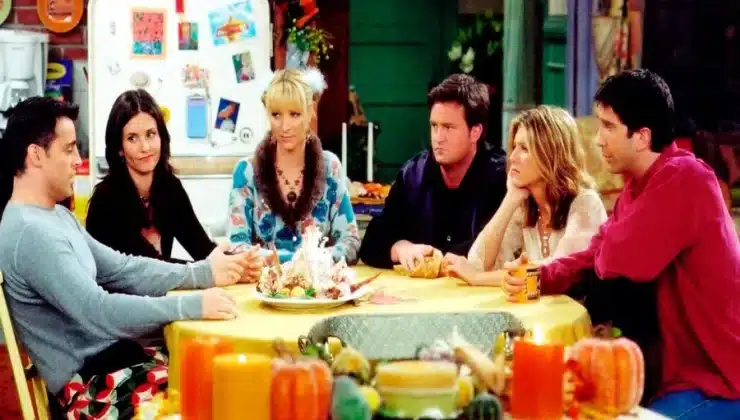
“How you doin’?” — Friends
Some lines aren’t just about the words… they’re about the delivery. Think of Joey Tribbiani from Friends. His famous pickup line was pure performance. He’d shoot someone a charming, silly grin. Then he’d drop the question: “How you doin’?”
On paper, it’s just a casual hello. Nothing special. But the way Joey said it? That made it a sensation. It was his move. It was completely him. The phrase caught on fire, becoming a massive inside joke for a decade. Fans used it to say hi or even try a little flirting themselves. It’s one of the few TV catchphrases that truly stuck.
“I’ll be back.” — The Terminator
This is one of the most iconic movie lines of all time, made famous by Arnold Schwarzenegger in the movie The Terminator. In the film, he plays a cyborg assassin. He says this to a police officer right before he drives a car through the front of the police station to complete his mission. When he says it, it’s a promise and a threat.
The line is so simple and powerful that it became the actor’s catchphrase. But now its meaning is much lighter. People use it all the time in casual situations. You might say “I’ll be back” when you’re leaving the room to get a snack or stepping away from your computer. The humor lies in using such a tough, dramatic line for a completely normal, everyday action.
“May the Force be with you.” — Star Wars
In the story, the heroes, the Jedi, use this line to say goodbye to each other. It’s their way of saying “good luck” and “stay safe”.
The Force is a mystical energy that guides and protects them. So the line is like a little prayer or blessing. This has gone global. We use it with family and friends before an important moment. Before a job interview or a big game, or even a test. It’s no longer just a movie quote but a heartfelt message we can all use to offer comfort. It’s a positive, uplifting phrase everyone can relate to.
A Lasting Legacy
The journey of a phrase from a movie script to our everyday conversation is a big part of our ethos. We use these quotes to make a point, make a joke, or connect with someone else. They are a common tongue that unites people over a passion for similar stories.
With social media now in the memes and instant video stage, things are escalating much quicker than before. The humorous or serious lines from new movies and shows today are already becoming tomorrow’s catchphrases. A reminder that even though the story is over, the words will probably carry on for some time to come.