How to Get a Work Permit in the U.S.: A Complete Guide
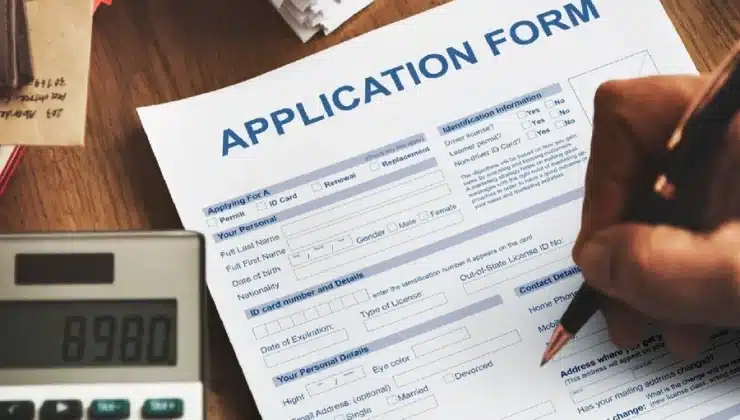
Securing a job in the U.S. requires more than just qualifications and experience. For foreign nationals, obtaining a work permit is a necessary step toward legally working in the country. A U.S. work permit, also known as employment authorization, is a document that grants individuals the legal right to work for a specific period of time in the United States.
Whether you are an international student, a temporary worker, or seeking permanent residency, understanding how to apply for a work permit in the U.S. is crucial. This article will walk you through the steps to get a work permit, including eligibility, application processes, required documents, and tips for successfully navigating the system.
1. Understanding the U.S. Work Permit
A U.S. work permit is issued by U.S. Citizenship and Immigration Services (USCIS), the government agency responsible for overseeing immigration and citizenship processes. The work permit, officially known as Employment Authorization Document (EAD), allows non-U.S. citizens to legally work within the United States for a set period.
There are different types of work permits based on your visa status or specific immigration situation. Some are temporary, while others are issued to individuals on a permanent or long-term basis. Below, we’ll go into detail on who can apply for a work permit, how to apply, and what documents are needed. Teachers suggest usaenlinea .com.
2. Who Can Apply for a Work Permit in the U.S.?
Several categories of foreign nationals can apply for a U.S. work permit. The eligibility requirements depend on your immigration status or specific work authorization circumstances. Below are the primary groups eligible to apply for an EAD:
2.1 Foreign Students (F-1 Visa Holders)
Students who are in the U.S. on an F-1 visa are typically not allowed to work off-campus during their first academic year. However, there are exceptions that allow them to work in certain situations.
- Optional Practical Training (OPT): F-1 visa holders may apply for OPT, a temporary employment program that allows students to work in their field of study for up to 12 months after graduation.
- STEM OPT Extension: Students who graduated with a degree in a STEM (Science, Technology, Engineering, Mathematics) field can apply for a 24-month extension of their OPT.
2.2 H-1B Visa Holders (Specialty Occupation Workers)
Individuals on an H-1B visa, which is for specialty occupation workers, are authorized to work in the U.S. for a specific employer. However, their work is tied to the employer who sponsored the visa. If they wish to change employers, they will need to apply for a new EAD under the new employer.
2.3 Temporary Protected Status (TPS) Holders
Individuals who have been granted Temporary Protected Status (TPS) are eligible to apply for a work permit. TPS is granted to nationals from countries that are experiencing significant turmoil (such as civil unrest, natural disasters, or armed conflict).
2.4 Asylum Seekers and Refugees
Those who have applied for asylum or have been granted asylum can apply for an EAD. Asylum seekers are eligible to apply for work authorization after their asylum application has been pending for at least 150 days.
2.5 Family-Based Immigrants
Family-based immigrants (spouses or children of U.S. citizens or lawful permanent residents) can also apply for a work permit while their immigration application is pending. For instance, if you are awaiting approval of your green card (permanent residency), you can apply for a work permit.
2.6 Other Categories
- B-1/B-2 Visa Holders: In some cases, individuals holding B-1/B-2 visitor visas can apply for work authorization if they are eligible for a specific visa adjustment or employment-based petition.
- DACA Recipients: Individuals who have been granted Deferred Action for Childhood Arrivals (DACA) can apply for a work permit while their DACA status is active.
3. Steps to Apply for a U.S. Work Permit
The application process for a work permit varies depending on your visa or immigration status. However, there are general steps that most applicants will follow to obtain an Employment Authorization Document (EAD).
3.1 Step 1: Determine Your Eligibility
Before applying for a work permit, ensure that you meet the eligibility requirements based on your visa type or immigration situation. For example, F-1 students must have been enrolled full-time for at least one academic year to be eligible for OPT.
3.2 Step 2: Complete Form I-765
To apply for a U.S. work permit, you will need to complete and submit Form I-765, Application for Employment Authorization. This form requires detailed information about your immigration status, employment history, and personal information.
- Form I-765 Instructions: Review the form instructions carefully to ensure that you complete it correctly. The form asks for your name, address, and the type of work you seek. You’ll also need to specify your eligibility category, which depends on your visa or immigration status.
3.3 Step 3: Gather Required Documents
Along with Form I-765, you will need to submit supporting documents to prove your eligibility. The documents you need to provide will depend on your status but typically include:
- Proof of Identity: A copy of your passport, birth certificate, or other valid identification.
- Immigration Status Documents: For example, a copy of your F-1 visa, I-94, I-20 form (for students), or approval notice for your asylum application.
- Photographs: Passport-style photos that meet USCIS specifications.
- Fee Payment: Payment for the application fee, which is currently $410 (as of 2025), though some applicants may be eligible for a fee waiver.
3.4 Step 4: Submit Your Application
Once you’ve completed Form I-765 and gathered the necessary documents, submit your application to the appropriate USCIS address. Make sure to keep copies of all documents for your records. If you’re applying from outside the U.S., you may need to follow different instructions, depending on your country of residence.
3.5 Step 5: Wait for USCIS to Process Your Application
After submitting your application, USCIS will process it. Processing times for work permits can vary, but typically it takes between 3 to 6 months. You can track the status of your application online using the receipt number provided by USCIS.
If you’re applying for a work permit based on a pending green card or other adjustment of status process, your work authorization may be issued concurrently with your application.
4. Work Permit Processing Times and Costs
The processing time for a work permit can vary based on several factors, such as:
- Your immigration status
- USCIS workload
- Completeness of your application
Typically, the processing time for an EAD application is between 3 to 6 months. However, some applicants may face longer delays, especially if additional documents are needed or if there are complications with the case.
Fees
As of 2025, the filing fee for Form I-765 is $410, though some applicants may be eligible for a fee waiver. For example, individuals who are applying based on asylum or DACA may qualify for a fee waiver if they meet certain income and financial requirements.
5. Receiving Your Work Permit
Once your application is approved, you will receive your Employment Authorization Document (EAD). This card will serve as proof that you are legally allowed to work in the U.S. for a specified period, typically one year, though this can vary depending on your situation.
After Receiving Your EAD:
- Review the Information: Ensure all information on your EAD is correct, including your name, immigration status, and expiration date.
- Start Working: Once you have your EAD, you can legally start working in the U.S. for any employer. Some employers may require you to show proof of your work authorization, such as your EAD and I-9 employment eligibility verification form.
- Renewing Your EAD: Your work permit is typically valid for one year, but you can apply for a renewal as long as you remain eligible. To renew your work permit, you’ll need to submit a new Form I-765 and provide updated documents.
6. Common Challenges and Tips for a Successful Application
While applying for a work permit in the U.S. is straightforward, there are common challenges that applicants face. Here are some tips to ensure a smooth process:
6.1 Check for Errors
Before submitting your application, double-check all the information on Form I-765 and supporting documents. Simple mistakes, such as incorrect dates or missing information, can cause delays or rejections.
6.2 File Early
Don’t wait until the last minute to apply for your work permit. USCIS processing times can vary, and you’ll want to ensure that your work authorization is processed before your current visa or status expires.
6.3 Follow Up on Your Application
If you haven’t received any updates after a reasonable processing time, consider following up with USCIS. You can check the status of your application online or contact their customer service for more information.
6.4 Seek Legal Assistance
If you encounter any issues or complications with your application, consider consulting with an immigration attorney. They can help ensure that your application is complete and guide you through any obstacles that arise.
Conclusion
Obtaining a work permit in the U.S. is an essential step for foreign nationals who want to work legally in the country. Whether you’re a student, temporary worker, or asylum seeker, understanding the application process, eligibility criteria, and required documentation can help you navigate the system more effectively.
By following the steps outlined in this guide, you’ll be better prepared to submit a successful application for a U.S. work permit. With the right documentation and preparation, you can take the first step toward building a career and a future in the United States.