From Protest Signs to Portraits: Where Art and Society Collide
Have you ever seen a protest sign that gave you chills? That one phrase, bold and simplified, capturing pain, outrage, hope in one breath? That’s art. That’s society speaking without intermediaries. When the world shifts, art often leaps ahead—turning streets into galleries and emotions into images.
Art doesn’t wait for grand stages. It shows up on walls, in crowds, on screens, demanding notice. It collides with society because it’s part of society. It reflects, shapes, challenges our shared life. Whether through a mural about injustice or a portrait of someone overlooked, art and society don’t just mix—they spark each other to life.
In this blog, we will share how protest signs and portraits both tell collective stories, how artists navigate public space, and why art matters in understanding who we are.
What a Sign and a Portrait Have in Common
Protest signs are art in its rawest form. They demand attention. They condense complex ideas into simple statements. They use color, language, and imagery to convey pain, resistance, and hope. When people gather with signs, art becomes the backbone of a movement.
Portraits do a similar job, but in a quieter way. They humanize issues. A portrait of someone affected by climate change, homelessness, or racial violence gives a face to statistics. It transforms numbers into people you can see looking back at you.
Together, signs and portraits show how art collapses distance between us. They demand you feel something, not just think something.
In academia, you’ll hear that “art is the lens through which society views itself.” That’s why many who pursue a bachelor’s in sociology online are drawn to programs like the one at the University of Wisconsin-Parkside. This program dives into how cultural expression reflects inequality, identity, and change. It also helps students connect theory to real-world events, giving them tools to analyze how art, power, and protest intersect—on the streets and in the classroom.
Consider the murals that went up around the world during recent protests. One city painted portraits of victims of police violence. Another posted giant signs with slogans that traveled viral. Those are visual stories. They don’t just decorate walls—they argue, mourn, remember, defy.
Art in Public Space: Negotiating Power and Access
Art that meets society often lives in public space. Walls, streets, plazas become canvases. But public art isn’t always welcomed. It negotiates with power, regulation, and permission. It invites tension.
When a mural about inequality goes up on city government property, it tests what that city allows people to see. When a portrait is projected on buildings at night, it challenges who controls visual landscape. Art in public space confronts authority by asking: who can speak? What is allowed?
During recent floods, some artists in affected cities painted portraits of trees submerged in water to highlight climate urgency. Others stenciled scientific facts. When they did, cities sometimes ordered them removed. But once a piece is created, it spreads—on social media, in documentaries, in people’s minds.
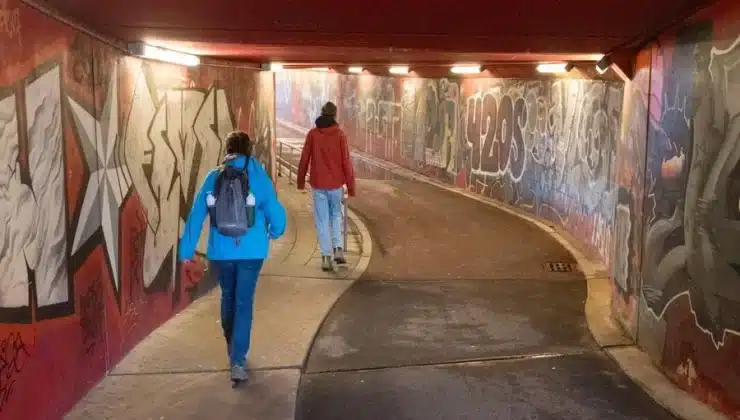
Public art can also reclaim space. Vacant lots, alley walls, underpasses—all become stages for voices usually ignored. A black wall covered in art about racial justice or migration disrupts visual noise. It forces people passing through to look. It turns bystanders into participants.
But public art requires courage. You risk painting on property you don’t own. You risk backlash, censorship, defacement. That’s part of where art finds its purpose: in the tension. In creating when doing nothing feels complicit.
Portraiture After Protest: The Human in the Movement
After a protest, when the crowds disperse, what remains? Footage, statements, broken glass. But art can preserve something else—the person. The portrait.
When photographers and painters create portraits of protestors, they anchor history in faces. They say, “You were here. You mattered.” That act can heal. It gives dignity. It connects strangers across time and space.
Portraits often carry symbols—flags, hand gestures, scars, transparent items that show identity. They also carry silence—the empty eyes, the stillness. Sometimes what’s unsaid speaks as loudly as what’s painted.
These images enter museum walls, gallery books, social feeds. They travel beyond that moment. They become memory anchors. And society looks back through them to reckon, to remember, to refuse forgetting.
If society changes, art stays. Portraits persist long after protests fade. They keep the story alive.
When Expression Becomes Evidence
Art that collides with society also becomes archive. A protest sign makes a claim. A mural makes a record. A portrait makes a face. Together, they become evidence that things happened, that people felt deeply, that voices were raised.
Courts, museums, educators use art to teach future generations. People look back at historic protest posters from civil rights or anti-war movements. Those images teach more than textbooks. They evoke the courage, fear, and stakes of the moment.
In today’s world, video and social media amplify art as evidence. Someone photographs a protest banner. A mural goes viral. Then that image becomes part of the historical record. The next generation sees what was said, what was risked, what society looked like when it was bending.
That’s another place where art intersects society—not just inspiring change, but documenting it. If archives matter, art matters.
The bottom line? Art finds purpose when everything feels like it’s failing because it reminds us we always have a voice. It pushes back. It refuses silence. From protest signs carved in march lines to portraits painted in quiet studios, art is the place where society sees itself—in tension, in conflict, in hope.
When institutions falter, art steps in. When stories are buried, art revives them. When sight fails us, art helps us see.
So next time you see a mural, read a poster, stop at a portrait, remember—it’s not decoration. It’s collision. It’s history in motion. And it’s exactly where we need society to meet creativity.