Successfully Housing Two Female Betta Fish Together
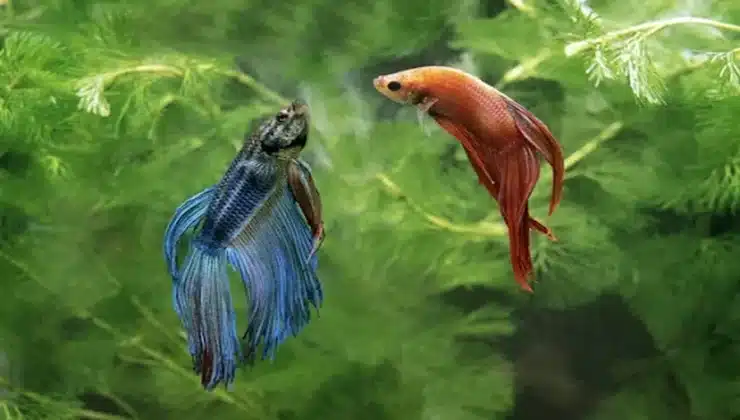
Female Betta fish, commonly known as Betta splendens, are renowned for their vibrant colors and feisty personalities. Despite their beauty, keeping multiple Betta fish in the same aquarium can be challenging due to their territorial nature. However, with the appropriate strategy and care, it is indeed possible to keep them peacefully. This keeping two female Bettas together guide offers insights and tips for creating a harmonious environment in your home aquarium.
Understanding Betta Temperament
Betta fish are often misunderstood as extremely aggressive creatures, a characteristic largely attributed to male Bettas. However, female Bettas display more subdued aggression patterns. Unlike their male counterparts, female Bettas can sometimes be cohabited in a setup commonly referred to as a “sorority.” Despite this potential for cohabitation, their territorial nature should not be underestimated. Observing their interactions closely is crucial to prevent conflicts.
Setting Up the Ideal Habitat
To successfully keep two female Betta fish together, it is imperative to create an environment that encourages peace. A larger aquarium—15 to 20 gallons or more—is generally recommended, especially for long-term success. A larger tank not only minimizes stress but also reduces the likelihood of hostile interactions.
Decor is another crucial consideration in establishing harmonious conditions. The tank should be richly decorated with plants, rocks, and hideouts. These elements serve dual purposes: they break the line of sight, diminishing aggression, and offer sanctuaries for the fish. Live plants can also provide additional benefits, such as oxygenation and biological filtration.
Acclimatization and Introduction
The introduction of Bettas is a critical phase in ensuring a peaceful coexistence. When adding two female Betta fish to a shared tank, simultaneous introduction can prevent territorial disputes. Proper acclimatization is essential, where you gradually equalize the tank water parameters with their current environment. This process can reduce stress and facilitate a smooth transition.
One should closely monitor the initial interactions between the fish. Mild displays of dominance are natural, but prolonged aggression or chasing necessitates intervention, such as the temporary separation of the fish to cool tensions.
Monitoring Behavior
After introduction, meticulous observation is crucial. Watch for signs of stress or aggression, such as fin nipping or persistent chasing. Providing a variety of food and ensuring that meals are evenly distributed can prevent dominance issues related to feeding.
Changes in behavior or health should be addressed promptly. Signs of stress, such as color fading or erratic swimming, could indicate incompatibility. Regularly check water parameters to ensure they are within the ideal range for Betta fish, which can also prevent unnecessary stress.
Establishing the Sorority
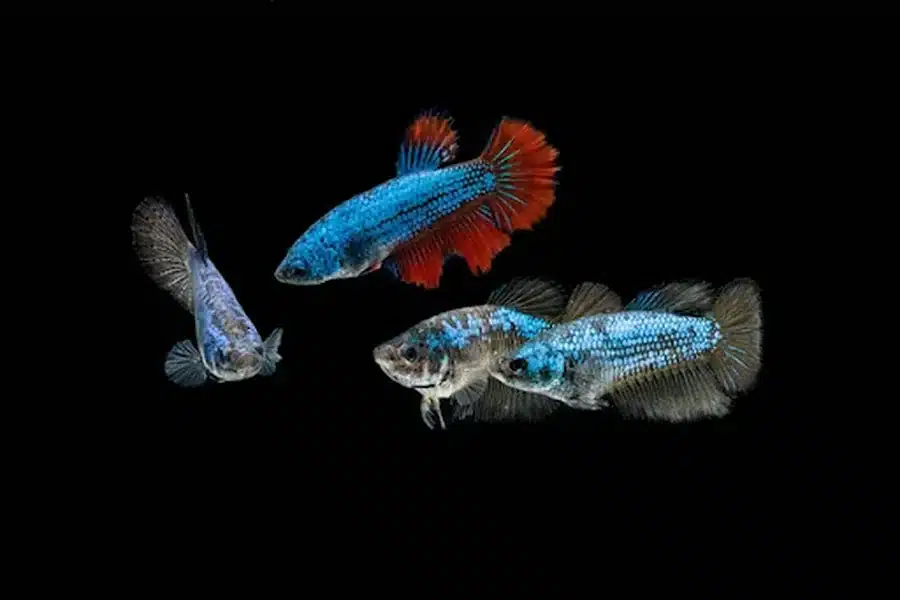
The social dynamic among Bettas can vary significantly. In larger groups, a hierarchical structure, or “pecking order,” often forms naturally, which can actually stabilize a sorority. However, in smaller groups, such as when keeping more than two female Bettas together, consistent monitoring is even more critical since there is less dilution of aggressive interactions.
In the event of unresolvable conflicts, having a backup plan is prudent. Be prepared with additional tanks or dividers to separate the fish if necessary. This proactive approach ensures the well-being of the Bettas remains a priority.
Advantages and Challenges
A sorority tank, especially a small one, offers numerous benefits. Beyond the aesthetic appeal of multiple Bettas and the engaging behavior they display, maintaining such a habitat can enhance one’s understanding of Betta social structures and care requirements.
Nonetheless, challenges should not be underestimated. The most significant challenge is managing aggression. Each fish has a unique personality, and despite following all guidelines, some individuals may still not cohabitate peacefully.
Ensuring a Sustainable Environment
Key to maintaining a peaceful environment is regular tank maintenance. Perform weekly water changes, and routinely check the filtration system. Maintaining water quality is paramount to prevent stress-induced illnesses.
Variety in diet is equally important. Providing a mixture of high-quality Betta pellets, frozen, and live foods can support robust health and reduce potential aggression caused by nutritional deficiencies.
Moreover, community involvement can be beneficial. Engaging with online forums or local aquarium societies provides access to a wealth of experiences and advice, which can be invaluable when encountering challenges in your Betta sorority.
Conclusion
Housing two female Betta fish together requires careful planning, a well-structured environment, and sustained observation. While they are not naturally inclined to cohabitate peacefully, through understanding and adherence to best practices, successful cohabitation is entirely possible, offering a rewarding and vibrant aquarium experience. The journey of understanding and adapting to these vivid fish can be as captivating as the Bettas themselves.