Top Influencer Marketing Trends Shaping the Future
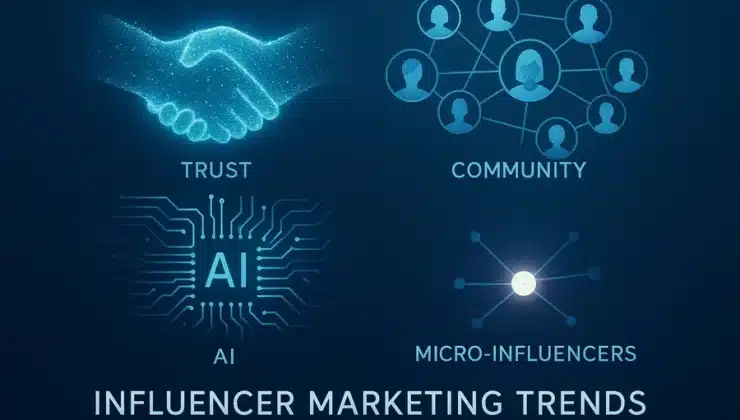
Influencer marketing keeps changing fast. It started with simple sponsored posts, but it has grown into a more detailed strategy with many parts. So what influencer marketing trends are shaping what comes next, and why should brands care?
In 2026, the big change is that brands are moving away from “vanity metrics” like likes and follower totals. Instead, they are focusing on real trust, strong community interaction, and results you can track. Brands are putting more time into long partnerships, using AI to save time, working more with micro-influencers, and adding social shopping tools into campaigns.
To do well in this fast-moving space, brands need to stay flexible, informed, and clear about their social media plan. For full plans to improve your social media and use these new trends, check out https://all4comms.com/services/social-media/.
What Is Influencer Marketing and Why Are Trends Shaping Its Future?
Influencer marketing is a type of partnership where a brand works with a social media creator to reach that creator’s audience, build awareness, and drive sales. It is no longer just a “test” idea. It is now a key part of modern marketing for both consumer brands and B2B brands. Influencers also vary a lot, from nano and micro-influencers with small but loyal followings, to macro and celebrity influencers with millions of followers.
These trends matter because online platforms keep changing. Algorithms shift, people expect different kinds of content, and public scrutiny is stronger than before. Brands can’t keep using old methods. Following trends is not just about staying current. It helps brands choose better creators, pick the right type of partnership, and measure return on investment (ROI) more accurately.
How Influencer Marketing Has Evolved Over Time
About ten years ago, influencer marketing was mostly celebrity endorsements and large campaigns with big budgets. Today, a 20-year-old with 8,000 TikTok followers can create more real engagement and sometimes beat those older celebrity-style campaigns. Over time, the industry moved from simple sponsored posts to bigger storytelling campaigns, including long ambassador deals and creative projects that feel real to the audience.
This industry started with everyday people-often women, BIPOC, and LGBTQIA+ creators-who could publish their own content and build global communities through blogs and early social platforms. These creators shared personal parts of their lives and talked about topics that mainstream media often ignored, which helped change culture. Many faced harassment and were called narcissists (even “Selfie” became word of the year in 2013), yet they created business models that others profit from now.
The pandemic was a major turning point, because more people saw how strongly influencers shape culture. As social marketing and traditional marketing blend together, old stereotypes are fading, and influencers are gaining more respect.
Why Staying Ahead of Influencer Marketing Trends Matters for Brands
In 2026, influencer marketing budgets are expected to rise again, so the pressure is higher. ROI is no longer “nice to have.” Brands now expect it. Organic community growth is also a major goal. Brands that track trends and adjust quickly can make better choices about creators, partnership formats, and how to measure success.
Numbers back this up. A 2025 Pulse Survey found that 64% of consumers are more likely to buy when a brand works with their favorite influencers. Also, 9 out of 10 marketers say sponsored influencer content gets better engagement than brand-made content, and 83% say it converts better.
That confidence is driving action: almost two-thirds of marketers plan to expand influencer partnerships this year, about 80% plan to increase budgets, and around 25% are moving money from traditional marketing into creator strategies.
Major Drivers Transforming Influencer Marketing
Content creator marketing is growing because of three big forces: new technology, changes on social platforms, and changes in what people want. Together, these forces are changing how brands and creators work with each other, and they push brands to keep adjusting and trying new ideas.
Role of Technology: AI, Automation, and Data
AI is one of the biggest forces shaping creator marketing in 2026. AI tools can lower costs and help brands do more with fewer resources, which can leave more budget for creative work. These tools help across the full influencer process, from finding creators and predicting performance to tracking results.
AI also helps with repetitive work like outreach, reporting, and performance analysis, which saves time. For creators, it makes high-quality production easier, so they can create more content with less effort. Tools like Jasper and Writer help with posts and captions, while Wondershare Filmora and Descript speed up video editing. But as Eve Lee, founder of The Digital Fairy, says, AI can’t truly understand culture or human desire. It works from past data and doesn’t create new human insight.
Changing Consumer Behavior and Content Preferences
People want a constant flow of content, and more than one-fifth of brands worry they can’t keep up. Audiences are drawn to creators who share real opinions and feel relatable, rather than creators who only show “perfect” lifestyles. Many people are tired of obvious selling in their feeds, so they look for other ways to find products and brands.
This is clear in content formats too. Video is now the main format. Pretty photos alone don’t get the same results as before. Short videos on TikTok, YouTube Shorts, and Instagram Reels keep leading engagement, with strong watch rates (about 81% for short videos) and high engagement (YouTube Shorts at 5.91%, TikTok at 5.75%).
Live content is also growing, since it lets creators talk directly with viewers in real time and build trust in a way static posts cannot. In 2026, content that feels real often works better than content that feels too polished. In fact, 76% of marketers say low-production videos beat highly produced ones because people respond to honesty.
Increased Demand for Authenticity and Transparency
In 2026, authenticity and relevance are the main building blocks of a successful influencer campaign. People trust recommendations from creators they see as real and relatable. About 92% prefer these recommendations over traditional ads. Because of that, brands want more transparency and responsibility from creator partners. Clear partnership disclosure is quickly becoming standard.
Audiences want honesty and a human feel from the accounts they follow, and they stop paying attention when content feels scripted or disconnected from a creator’s real voice. Influencer Alix Earle has said her best branded content is often her less polished videos that brands don’t control tightly. This also matters for AI-created content: 79% of TikTok users say labeling AI content clearly is a basic part of responsible brand behavior. The message from the market is simple: real trust matters most.
Top Influencer Marketing Trends Shaping the Future
Rise of Micro-Influencers and Niche Communities
The idea that bigger influencers always perform better is no longer true. In 2026, smaller niche creators often deliver better results than mega influencers. Nano and micro-influencers may have fewer followers, but their audiences engage more. For example, nano-influencers average a 2.53% engagement rate across platforms, compared with 0.92% for mega influencers. On Instagram, nano-influencers reach 6.23% engagement, and on TikTok they can hit 10.3%.
They do well because they build close communities around specific topics. Their followers often feel like they know them, which drives more real interaction and often higher conversions. This also matches how discovery works now. Algorithms are more topic-based than ever, similar to how “For You” feeds are built around interests. That makes a creator’s topic focus and expertise very important for brands that want targeted reach.
Long-Term Partnerships and Brand Ambassadors
One-off “pay-to-post” deals are fading, because single posts often get lost in crowded feeds. A stronger trend is growing instead: creators are becoming trusted partners who work with brands long term. This is a shift from “creator equals reach” to “creator equals advice,” where brands work with creators on bigger plans, not just product posts.
More brands are investing in ongoing partnerships, and these long relationships can produce 70% higher engagement than one-off campaigns. Even though only 35.3% of brands currently do long-term deals, 99% say they work well. Creators are also becoming more selective, which leads to longer ambassador-style relationships. Brands are starting to budget for this “consulting-style” work, and some creators may even include creative input at no extra cost early in this shift. Many experts also suggest brands create at least one in-house influencer marketing role so relationships are managed closely, instead of depending only on outside agencies.
AI-Powered Content Creation and Workflow Automation
AI-based content creation and workflow automation are set to be major trends in 2026. AI tools can help creators come up with ideas, create assets (images, effects, voiceovers), and produce or improve content across formats like video, static ads, and podcasts. Use is already high: 86% of creators use generative AI now, and the remaining 14% are expected to start this year.
For brands, AI tools speed up influencer programs from end to end. They help find creators by scanning large databases and matching on audience data, content history, and brand fit. AI can also predict how content might perform before it is posted and automate repeat tasks like outreach, reporting, and analysis. Generative AI can help write captions, shape creative briefs, and produce brand-aligned visuals.
Predictive analytics and automated dashboards can also give real-time updates on engagement, conversions, and sentiment, so marketers can adjust campaigns quickly using data. Agencies like All4Comms are already helping brands integrate these tools into their influencer strategies to stay ahead of the curve.
Growth of Virtual and Synthetic Influencers
Social media is also seeing more virtual and synthetic influencers. These are computer-made characters that post content, promote products, and grow followers like human creators. They are already showing up in social media, crypto, and other industries. Some research shows trust in them may be growing, but many people still feel unsure. Some consumers feel empathy for synthetic influencers, but they still tend to see them as less real.
Most marketers are still cautious. Only 9% say they want to work with AI influencers in 2026, and only 2% plan to create their own AI avatars or clones. Around 89% have no plans to try them. Experts like Taylor Lorenz suggest AI influencers could be a short trend, since people usually want trust and reliability online, and human creators provide that more naturally. Nearly half of consumers feel uncomfortable with brands using AI influencers, due to concerns about IP misuse, originality, and what happens to real creators. AI can help creators make content, but brands should be careful about using fully virtual influencers as the main face of a campaign.
Short-Form Video and Live Streaming Take Center Stage
Video is now the most important format on social media, and photo-first content does not perform like it used to. Short-form video drives discovery in influencer campaigns, especially on TikTok, YouTube Shorts, and Instagram Reels. These formats have strong watch rates, averaging about 81%, which means people stay engaged well beyond the first few seconds. YouTube Shorts has a 5.91% engagement rate, TikTok has 5.75%, and Instagram Reels sits around 2%.
Live video is growing too. Real-time video and live shopping events (especially on TikTok) let creators interact directly, show products live, and build trust in ways static posts can’t. This affects buying behavior: 73% of consumers say watching a live shopping event makes them more likely to purchase, and nearly half say they have bought something unplanned after seeing live demos.
Social Commerce Integration With Influencer Campaigns
Social commerce is changing how people shop. Over a third of marketing agencies say it is one of the biggest market disruptors going into 2026. Social media advertising is also expected to keep growing fast, with more than 18% growth projected for the year. Creator content can now turn into sales quickly through tools like TikTok Shop and YouTube Shopping.
Brands that use creator-led shopping well can benefit most. This works best when the creator feels honest and trusted, because audiences rely on creators to recommend products. If that trust stays strong, in-app checkout makes it easier for people to buy right away. Data supports this: 74% of shoppers say creator recommendations affect what they buy.
On TikTok, users are 27% more likely to remember an ad with a creator they follow, and 78% say they found new brands through creator content. These sales channels also make ROI easier to measure, using creator storefront programs like Lowe’s Creator Network and My Sephora Storefront.
Performance-Based and Measurable Campaigns
Likes and follower totals are no longer the main goal. In 2026, influencer marketing is shifting hard toward conversions and trackable impact, with ROI as a required standard. Performance-focused influencer marketing is maturing, and brands can measure results more clearly through metrics like ROI, reach, and customer trust.
Better tracking now shows which posts and campaigns perform best, and affiliate programs let brands measure exact revenue from creator deals. This clarity gives brands more confidence in creator spending. Flat fees are being replaced by performance-based deals like affiliate setups or conversion-based partnerships, which reward results instead of just reach. Key success metrics now include Engagement Rate, Conversion Rate, Cost Per Engagement (CPE), and Return on Ad Spend (ROAS). Content performance is now the second-most important factor brands use when picking creators, showing that measurable outcomes matter more than surface-level numbers.
Certified and Verified Influencers Gain Trust
As influencer marketing grows up, transparency and responsibility matter more. This is driving more interest in certified and verified influencers. Brands are not just chasing the biggest accounts. They are investing in creators with real credibility, real communities, and results they can prove. Verified partnerships and clear disclosures are becoming normal.
Social platforms are also adding certification programs and better vetting tools to confirm creator authenticity and performance. For brands, this helps reduce the risk of fraud, protect reputation, and reach real people instead of bots or inflated accounts. This trend is about protecting trust in the creator economy, because real influence comes from honesty and proven impact, not short-term attention.
How Analytics and Platforms Are Evolving
Influencer marketing is closely tied to better analytics and better platform tools. Without strong data, brands would have to guess what works. Now, the tech is catching up, giving clearer insights into performance and how to improve campaigns.
Key Metrics for Measuring Influencer Campaign Success
Measuring influencer marketing success now goes far beyond likes and comments. Brands want to know what drives real action and business results. These metrics matter most for proving ROI and improving future plans:
- Engagement Rate: Shows how much the audience interacts with content. It often signals whether the creator’s influence feels real and whether content connects with the community.
- Conversion Rate: Measures how many people take a next step after seeing the content, like signing up, visiting a site, or buying. This ties creator work directly to business outcomes.
- Cost Per Engagement (CPE): Helps brands see how cost-effective a partnership is by showing the cost for each engagement.
- Return on Ad Spend (ROAS): Shows how much revenue comes back for each dollar spent on the campaign.
Brands also track click-through rate (CTR), saves, shares, and audience retention to understand content performance more fully. The direction is clear: brands are moving away from surface-level numbers and focusing on sales, new customers, and trackable returns.
Using AI and Machine Learning for Campaign Insights
AI and machine learning are changing influencer analytics from “after the fact” reporting into planning support. Predictive analytics can estimate performance before a campaign launches, helping brands choose creators and timing with better odds of success. This lowers risk and improves outcomes.
Automated dashboards and creator scoring tools can also show real-time results for engagement, conversions, and sentiment. That lets marketers make changes while a campaign is still running instead of waiting until it ends. AI-based search tools also help brands find creators based on the type of content they want, which improves alignment with brand values and messaging. This makes finding, managing, and improving campaigns faster and more efficient.
Challenges Brands Face With Future Influencer Marketing
Influencer marketing has a lot of opportunity, but it also brings real challenges. Brands need to understand these issues so they can build plans that stand out and create long-term relationships.
Cutting Through the Noise: Oversaturation and Trust Issues
One major issue is content overload. Feeds are crowded with creators, and audience fatigue is growing. Platforms also keep adjusting algorithms, making organic reach harder to get. It is tougher for creators-and brands working with them-to stand out in constant noise. People are also tired of feeling like they are always being sold to, so they look for other places to discover new things. That creates a tough environment where trust matters, but content is judged more harshly.
Maintaining Brand Safety and Combating Fraud
Bigger budgets mean more risk, so brands need stronger controls. Fake followers and fake engagement still exist, with bots inflating metrics and reducing real reach. Even with influencer management tools, creator sourcing has often been manual and time-heavy, and brand safety issues can still happen even after vetting. The rise of AI influencers adds new concerns, including IP misuse, originality, and fairness for real creators. Brands need strong vetting and better tools to partner with real, effective creators.
Choosing Creators Who Align With Brand Values
Picking creators who match a brand’s values and mission is more important than ever. Creators are also more careful about which brands they work with, because the wrong partnership can hurt their image. Brands need to look past surface-level stats and review a creator’s community, values, and style. As Eve Lee of The Digital Fairy points out, AI can’t truly “read the room.” It uses past data, which makes it harder to spot new cultural moments or subtle shifts. Human judgment is still needed to confirm true brand-creator fit.
Best Practices for Brands Adapting to Influencer Marketing Changes
To succeed as influencer marketing changes, brands need to act early, build real relationships, use technology wisely, and stay transparent. These best practices can help brands handle today’s challenges and stay strong over time.
How Brands Can Prepare for Emerging Trends
Brands can prepare by bringing new trends into their marketing plans early. This includes working with creators who understand AI and use it well to grow their reach and output. Brands should vet these partnerships carefully and confirm value with A/B testing, strong tracking tools, and well-built affiliate programs.
To take advantage of social commerce, brands should improve on-platform ads and support in-app checkout so buying is simple. Brands should also keep a testing mindset and stay flexible, since the industry changes quickly. It also helps to expand beyond the normal social feed. Options include email partnerships with creators (like Substack) and even offline placements like posters or out-of-home moments, which can help brands reach people away from crowded feeds.
Building Sustainable Influencer Partnerships
Going forward, brands should focus on long-term relationships that support real storytelling instead of quick one-off posts. When a creator and audience match a brand well, a longer partnership or ambassador deal can bring strong results. Brands should involve creators earlier, create feedback loops, and work together behind the scenes instead of controlling every detail.
This change is already happening: 40% of brands now give creators full creative control, because customers dislike scripted content that doesn’t match the creator’s real voice. Brands need content rules that give creators room to be themselves. Experts also suggest using creators’ loyal audiences for content distribution and building long partnerships where brands can rely on creators for insight about shared audiences. This turns creators into real strategic partners.
Ensuring Transparency and Compliance in Campaigns
Transparency and compliance are required now. Brands should vet influencers with reliable tools to confirm audience quality, engagement, and authenticity, which reduces fraud risk. As influencer marketing grows, stricter rules and higher transparency standards are expected, so it’s smart to follow best practices early.
Clear labeling of AI-generated content is also key. Since 79% of TikTok users say labeling is a basic standard of responsible brand behavior, brands should meet that expectation to protect trust. Clear disclosures, verified partnerships, and ethical content practices help brands build the trust they need for long-term success.
What’s Next for Influencer Marketing?
As 2026 moves forward, influencer marketing is set to become more tech-driven, more trust-focused, and more strategic. Future growth will rely on using technology without losing the human connection, while keeping results measurable.
Predictions for Influencer Marketing By 2026
Influencer marketing budgets are expected to keep rising in 2026. CMOs plan to raise spending on creators more than any other marketing tool, including AI search, paid search, and paid social. About 97% of CMOs surveyed say they plan to increase creator marketing budgets, and around a quarter of total marketing budgets now go to influencer work. The creator economy is valued at about $250 billion and is expected to double by 2027.
Beyond classic social platforms, email is becoming more important, especially through Substack. As creators spread across platforms, brands can use these direct channels more easily, and Substack is already testing integrated ad programs. Affiliate marketing is also changing, with platforms like ShopMy and Condé Nast’s upcoming Vette offering clearer ROI through curated sales channels. Influencer marketing will also be viewed more as a brand-building tool, not only a sales tool.
The strongest plans will mix tastemakers, experts, and long-term brand advocates to build cultural relevance and trust. Also, as more people want to spend less time online, brands may put more focus on in-person events and out-of-home moments. Influencers will also keep taking on spokesperson roles that used to go mostly to celebrities.
Should Brands Invest in Virtual and AI-Driven Influencers?
Virtual and AI-driven influencers create a tricky choice for brands. These digital characters can offer consistent messaging and can “work” at any time, but many people still don’t feel comfortable with them. Consumers may feel empathy for synthetic influencers, yet still see them as less real than human creators. Concerns about IP misuse, originality, and harm to real creators’ income are also serious. As Taylor Lorenz says, AI influencers may be a short-lived trend, because people want reliability online, and trust comes more naturally from humans than from algorithms.
Almost half of consumers say they feel uncomfortable with brands using AI influencers. So while AI is very useful for helping with content creation, automation, and campaign insights, using virtual influencers as the main “face” of a brand should be handled with great care. If a brand truly can’t find human creators who match its mission, a synthetic influencer could be an option, but it may push away an audience that values real human connection. The future of influence will be shaped by tools that support human creators and plans that focus on relevance and trust-not by AI replacing the human side of connection.