How to Detect a Hidden Leak Before It Becomes a Major Issue
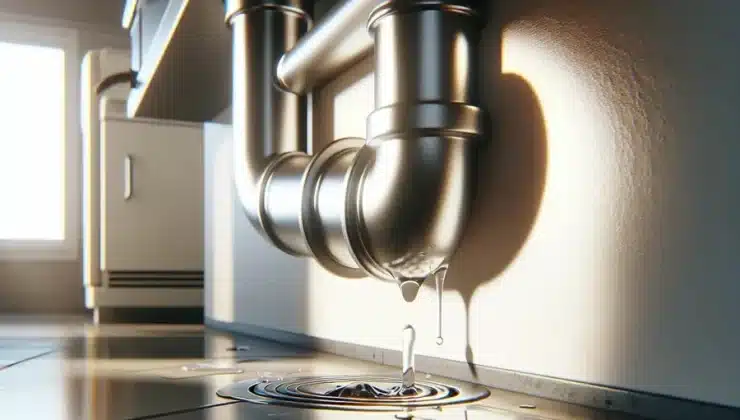
Hidden leaks are one of the most frustrating household problems because they can silently cause damage long before anyone notices. A small drip inside a wall or under a floor may not look serious, but over time, it can lead to structural damage, mold growth, and increased utility bills. Many homeowners only realize the severity of a hidden leak when the damage has already spread too far. The good news is that there are signs and steps you can take to detect hidden leaks early. We will explore practical methods that can help you identify and address these problems before they escalate, ensuring your home remains safe and your repair costs remain manageable.
Signs and Methods to Detect Hidden Leaks Early
-
Unexplained Increases in Water Bills
One of the most obvious indicators of a hidden leak is a sudden rise in your water bill without any change in household usage. Even small leaks can waste hundreds of gallons each month, and those costs quickly add up. If you notice an unusual increase, start by checking fixtures and appliances for visible drips. If nothing is obvious, it may mean the problem is hidden behind walls or underground. Monitoring your water meter can help confirm this suspicion. For example, turn off all water inside the home, then check if the meter continues to move. If it does, water is escaping somewhere it shouldn’t be. Acting quickly on these early signals can prevent more significant damage and avoid unnecessary expenses down the line. Reaching out to WiseWay Plumbing can provide the reliable support needed to identify and resolve the issue efficiently.
-
Visible Water Stains and Discoloration
Water has a way of revealing itself even when it remains hidden for long periods. Stains on walls, ceilings, or floors often indicate water is seeping from a pipe. These marks usually appear as brown, yellow, or darker patches and may expand over time. Sometimes, the paint or wallpaper begins to bubble or peel, suggesting moisture beneath the surface. Floors can also show signs, such as warping or soft spots underfoot. Although some stains may be a result of past issues, ongoing discoloration is a sign that the leak is still active. Addressing it promptly can prevent mold from spreading into the house’s structure.
-
Musty Odors and Mold Growth
When water lingers unnoticed, it creates the perfect environment for mold and mildew to thrive. A musty smell in certain rooms, closets, or basements often indicates hidden moisture. Unlike ordinary dust or dirt, mold emits a persistent odor that persists even after cleaning. Even if you cannot see mold, the smell alone should be a warning sign. In many cases, small patches of mold may appear on baseboards, ceilings, or corners of rooms where water is seeping. Prolonged exposure to mold is not only damaging to your home but can also affect indoor air quality. By responding to musty odors promptly, you can identify the source of the hidden leak and prevent it from spreading. Paying attention to unusual smells is a simple yet effective way to detect hidden leaks before they become major household concerns.
-
Unusual Noises in Plumbing Systems
Water leaks are not always silent. Sometimes, you might hear faint dripping, hissing, or running water even when no taps or appliances are on. These sounds can be especially noticeable at night when the house is quiet. Pipes inside walls or under floors may make noises if there is a crack or loose connection allowing water to escape. In some cases, air trapped by leaks can create strange bubbling or banging sounds. While occasional noise might come from normal plumbing expansion, consistently unusual sounds are worth investigating. Ignoring these noises may allow the leak to worsen until it causes visible damage, which is often more costly and harder to repair.
-
Changes in Water Pressure
A hidden leak can often cause a noticeable drop in water pressure throughout the home. If showers feel weaker or faucets do not run as strongly as they used to, a leak may be diverting water elsewhere. Low pressure can also indicate mineral buildup or clogs, but when combined with other symptoms, it strongly suggests a hidden issue. Checking pressure in multiple fixtures can help determine if the issue is widespread or isolated. For example, if only one bathroom has lower pressure, the leak is likely near that section of piping. If the entire home is affected, the leak may be in a main supply line. Detecting these changes early allows you to locate the problem before it causes structural or foundation damage. Monitoring water pressure over time gives you valuable insight into whether your plumbing is functioning properly.
Hidden leaks may begin quietly, but they have the potential to cause significant damage if ignored. By watching for early signs, such as higher water bills, stains, musty odors, unusual noises, changes in water pressure, or unexpected yard conditions, you can detect problems before they spiral out of control. Pairing these observations with modern monitoring tools ensures an even greater level of protection. Acting quickly saves money, prevents structural damage, and helps maintain a healthier living environment. By paying attention and responding promptly, you can stop a minor issue from becoming a major problem, keeping your home safe and secure for years to come.