5 Essential Hormones in Our Body That Impact Mental Stability and Focus
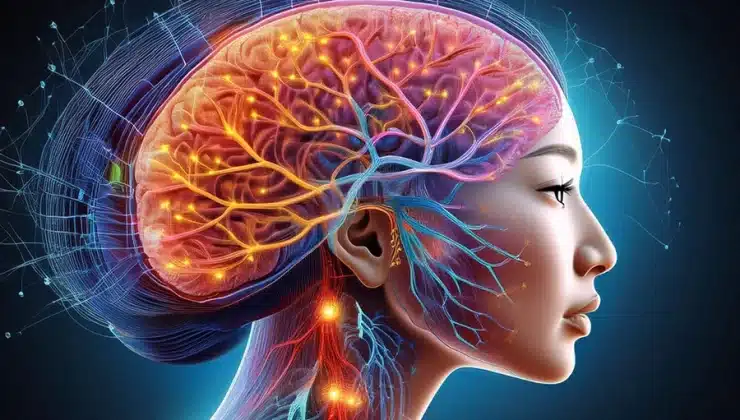
Neurochemistry is a scientific research field often compared to quantum physics because of its incredible complexity. Just as quantum physics researchers explore the subatomic world, neurochemistry investigates the intricacy of chemical signals in the brain. Our understanding of both fields has advanced considerably; for example, we know that subtle changes in particle properties can drastically alter the outcome of quantum events like luminosity. In neurochemistry, tiny fluctuations in neurotransmitters, for instance, can drastically alter your mood, behavior, and cognitive function.
All hormones are chemical messengers, and some of them are primarily neurotransmitters. Decades of neurochemistry research have identified the following hormones as being essential to mental stability and focus:
Cortisol: The Stress Hormone
When your body perceives a threat or risk, your adrenal glands release cortisol, a hormone that plays a key player in the fight-or-flight response. The release prepares you to take defensive, protective, or constructive action; along the way, your blood pressure and glucose rise for boosts of energy and strength.
Although cortisol is a primordial hormone, chronically high levels can have negative effects on your mood and overall health. Sustained cortisol release invariably results in anxiety, distraction, and irritability. The release is not harmful in and of itself; nonetheless, the neurological and physiological reactions increase the risk of hypertension and stroke.
Serotonin: The Mood Stabilizer
Serotonin is behind many anatomic functions, including appetite, arousal, digestion, libido, mood, and sleep. As the most commonly referenced “feel-good” hormone, serotonin is crucial in regulating bodily functions and eliciting positive attitudes.
The feeling of calm happiness is a sign of optimal serotonin release and modulation. This hormone’s powerful influence on mood explains why it has been thoroughly researched by pharmacology researchers. It is targeted by selective serotonin reuptake inhibitors (SSRIs) like Celexa, Lexapro, and Prozac.
Dopamine: The Motivation Hormone
Neurochemistry research into this hormone has not advanced as much as with serotonin; however, we know that it connects the mesolimbic and nigrostriatal system through signaling. More importantly, we know about dopamine’s critical effects on the brain reward system, particularly as they relate to focus and motivation.
Parkinson’s disease is one of many pathologies associated with irregular dopamine levels and modulation; others include addiction, attention-deficit disorder, compulsion, depression, obesity, and schizophrenia.
Estrogen and Testosterone: The Balance Hormones
Early research into the two “sex hormones” was largely segregated by gender physiology. In recent decades, neurochemistry researchers have shifted their focus to the balancing effects of estrogen and testosterone on brain function.
Whereas cortisol is primordial, the sex hormones are primal because they encourage reproduction and familial bonds. For men and women, a spike of testosterone results in a more structured sense of motivation and reasoning. Inadequate estrogen fluctuations cause irritability while affecting mood and raising cortisol levels to deal with confusion. Men who deal with lower testosterone levels as they age may experience “brain fog” and fatigue. Women who suffer from sudden drops in estrogen can go through bipolar anxiety and depression episodes.
HGH – The Vitality Hormone
Human growth hormone (HGH) is not a distinct neurotransmitter; however, recent neurochemistry research studies suggest it plays a stronger role in supporting mental clarity and positive emotions. This role emanates from neurogenesis, the interplay between tissue growth and the endocrine system.
The optimal release and modulation of neurotransmitters depends on brain health, specifically brain cell production and tissue regeneration. A consistent supply of HGH is vital for maintaining cognitive function, including memory, attention, and mental sharpness. Adequate levels are thought to modulate neurotransmitters as they interact with various systems, including the intricate brain reward circuit that promotes vitality through motivation.
Growth hormone deficiencies, particularly those associated with aging, can leave you feeling fatigued for no reason. Middle-aged patients with the onset of depression often complain about feeling a general lack of vitality; for this reason, many choose to buy HGH online. If you have been thinking about growth hormone therapy, please remember to conduct proper research and seek medical guidance.
The Bottom Line of Hormones and Healthy Brain Chemistry
As neuroscientists advance their efforts into hormone research, new therapies are emerging to establish a healthy balance. The key is in understanding the intricate roles hormones play in our mental well-being. HGH therapy is an example of better living through optimal neurochemistry.