The Ethics of Sacred Ink: A Traveler’s Guide to Respecting Tattoo Culture in Thailand
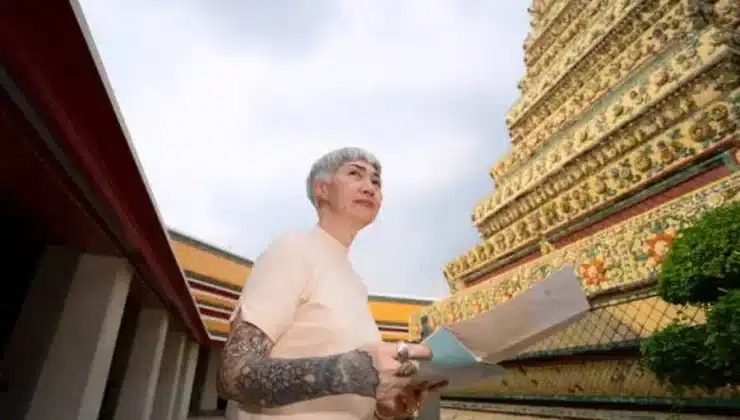
Thailand is one of the world’s most captivating destinations for tattoo lovers, where sacred ink carries stories of faith, spirituality, and identity. From bustling Bangkok to the quiet corners of Chiang Mai, travelers often find themselves drawn to the mystical charm of tattoo shops in Thailand that offer Sak Yant—ancient tattoos believed to protect and bless those who wear them. However, before stepping into a Thailand tattoo parlour, it is essential to understand that these tattoos are not merely designs—they are sacred traditions deeply rooted in Buddhist and animist beliefs.
Understanding the spiritual significance
In Thailand, tattoos are often more than decorative body art. The famous Sak Yant tattoos, applied by monks or Ajarns (spiritual masters), carry deep religious symbolism and moral teachings. Each design—whether it is the Hah Taew (Five Lines), Gao Yord (Nine Spires), or Tiger Yant—holds a distinct blessing, from protection against harm to guidance in personal strength. Receiving such a tattoo is considered a spiritual ritual, not just a style choice.
When visiting a Thailand tattoo parlour or temple, it is essential to approach with humility and understanding. Respect the sacred space, follow the monk’s instructions carefully, and avoid treating the ritual like a tourist attraction.
Choosing authenticity over aesthetics
Many visitors are tempted to replicate Sak Yant patterns without participating in the traditional ceremony. While modern studios may offer beautiful copies, the ethical choice is to seek out trained practitioners who perform the tattoo in its authentic, spiritual context. Genuine tattoo shops in Thailand that respect Buddhist customs will emphasize consent, cleanliness, and cultural sensitivity.
Authenticity does not just preserve the spirit of the practice—it ensures that you receive your tattoo with proper intention and respect. Before booking, research the background of the tattoo master, the studio’s hygiene standards, and the cultural meaning behind the design you choose.
Cultural respect beyond the tattoo chair
Respect for Thai tattoo culture extends beyond the temple walls. Travelers should avoid placing sacred tattoos on disrespectful parts of the body, such as the lower legs or feet, as these are considered impure in Thai culture. Additionally, refrain from showing off sacred designs in bars or beach settings, where modesty and respect are expected.
The same mindfulness applies when posting online. Sharing photos of sacred tattoos should be done thoughtfully, avoiding captions or gestures that may trivialize their significance.
Honoring tradition while embracing art
Thailand welcomes travelers eager to experience its ancient artistry. The key lies in balancing admiration with awareness. Whether you choose a symbolic Sak Yant or a modern design from a reputable Thailand tattoo parlour, your tattoo becomes more meaningful when earned through understanding, not impulse.
So next time you walk into one of the many tattoo shops in Thailand, remember that sacred ink is not just about beauty—it is about connection, faith, and respect for a living tradition that continues to inspire the world.