When Should You Wear an Abdominal Belt? A Complete Guide
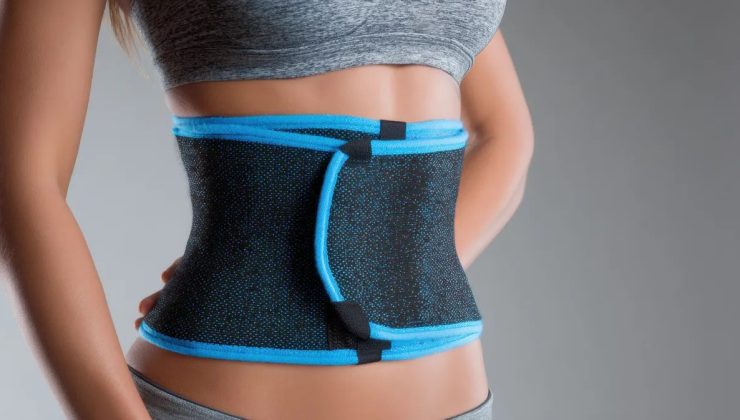
An abdominal belt is one of those products that seems simple enough to wrap it around the midsection, fastening it to enjoy the support. When used correctly, it can act as an external firm support for the core. But the real question isn’t only how to use it, but also when to use it.
With the proper way of wearing, you can get your daily movement to be comfortable, easy and painless. And when you put it in the wrong way, you can convert any pain to a grieving one within a short time.
This guide will help you understand the situations where an abdominal belt benefits the most, the times you should skip it and how to build a sensible wear routine. Thus, sorting the right kind of support according to your needs.
Let’s dive in!
What Is An Abdominal Belt?
An abdominal belt is a wide elastic band which is mainly worn around the midsection. It offers light compression to the entire abdominal wall uniformly. Most designs are made with breathable fabric to keep the area dry and cool throughout the use. Adjustable velcro straps can be present adding onto the personalized support.
Situations Where An Abdominal Belt Can Be Used
Surgical Recovery
-
Open Abdominal Surgeries
Stabilizes large midline incisions after procedures like an exploratory laparotomy or organ removals.
-
Maternity Surgeries
Speeds up the recovery process and reduces deep pain after a cesarean delivery.
-
Cosmetic Procedures
Controls severe swelling, prevents seromas and shapes tissues after a tummy tuck or liposuction.
-
Hernia Repairs
Keeps the abdominal wall completely flat and flat to prevent recurrence of hernia.
Postpartum and Women’s Health
-
Hysterectomy Recovery
Provides support to the lower abdomen and pelvis.
-
Diastasis Recti
Applies gentle uniform compression that may be helpful in closing your split.
Chronic Neurological Conditions
-
Peritoneal Dialysis Support
Provides support as well as stabilization to external abdominal catheters to minimize accidental movement.
-
Extreme Core Weakness
Acts as a supporting aid to those who are suffering from neurological weakening illness or paralysis.
Posture Correction
-
Chronic Lower Back Pain
Your core is drawn in to protect your spine by taking the weight off your tired lumbar muscles.
-
Heavy Lifting Support
Provides a rigid brace for construction workers or weightlifters to prevent any strain on the lower back and stomach walls.
When Should You Not Wear An Abdominal Belt?
1. While Resting for Long Periods
- Prevents muscle atrophy
- Reduces breathing risks
2. During Meals and Digestion
- Gastrointestinal distress
- Immediate post-delivery constraint
3. When the Incision is Infected
- Bacterial growth from sweat or wound drainage
- Never apply a belt over active skin conditions
4. If You Have Certain Underlying Medical Conditions
- Risk of blood clots for deep vein thrombosis
- Pelvic floor prolapse
How Long To Wear It Each Day?
| RECOVERY STAGE | RECOMMENDED DAILY DURATION | BEST TIME TO WEAR |
| First Few Days
(0–1 week) |
2 to 4 hours total
(in short intervals) |
When standing up, walking to the bathroom or sitting upright |
| Weeks 2 to 4 | 6 to 8 hours daily
(gradually increased) |
During daytime mobility, chores, light exercise or physical therapy |
| Beyond 4 Weeks | As needed | Only during high-exertion tasks, heavy movement or long periods of standing |
Key Rules for Daily Timing
-
Never Sleep in It
Remove the belt completely when you are lying down to sleep at night or napping for long periods unless your doctor has suggested leaving the belt on.
-
Take Regular 2 Hour Breaks
Take the belt off every few hours and during rest breaks so that you can breathe, avoid sweating as well as activate your core muscles on their own.
-
Full Recovery Window
Use of the binder is typically 2 to 6 weeks or longer up to 8-12 weeks for some operations and postpartum recoveries.
-
Remove During Meals
Open or loosen the binder while eating in order to allow the internal pressure in the stomach not to force the gastric acid up and result in a heavy acid reflux or bloating.
Common Mistakes To Avoid
- One of the most common of these is applying too much pressure, which results in over-inflation. This prevents the lungs from fully expanding and prevents circulation. This can lead to post-operative pneumonia.
- You may fold or wrinkle the elastic, which can cause areas of concentrated pressure leading to painful pressure sores.
- Correct positioning and even tension is essential to ensure proper fit. If the straps are not centered there is no protection for the incisions and if you tighten them unevenly it will cause the brace to twist around and to pull painfully on your recently sutured incision.
Conclusion
You can wear the abdominal belt when you need a little extra support and protection after surgery. It can also be used as an external aid during the postpartum recovery and while performing extensive physical tasks.
Use it wisely after doctor’s recommendation and take it off while resting to avoid any dependency. Incorporate it along with light exercises to fasten the recovery after surgery. Choose the right fit and add it as a smart gadget in your journey for a successful recovery.