How AI Image Generation Is Reshaping Digital Content Creation
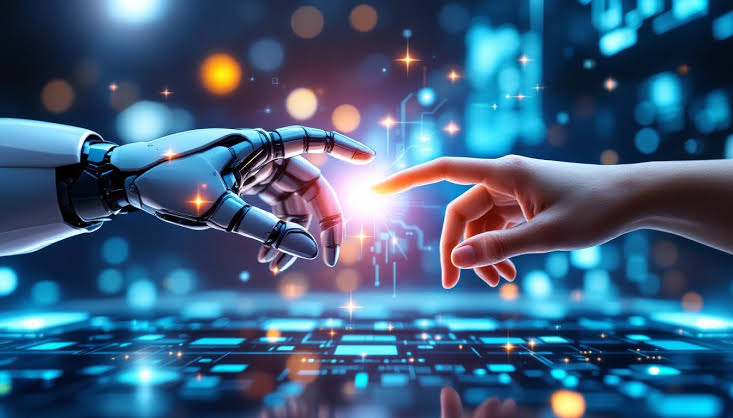
Creating visual content used to require a combination of design software, technical knowledge, stock libraries, and considerable time. Today, artificial intelligence is changing that process by allowing creators to turn written descriptions into images within minutes.
AI image generation is becoming useful across marketing, social media, video production, education, presentations, and personal projects. Instead of beginning with a blank canvas, creators can describe the visual they have in mind and use AI to develop an initial concept that can later be refined.
The Growing Role of AI in Visual Content
Digital audiences have become increasingly visual. A blog post may need a featured image, a video may require several supporting graphics, and a social media campaign can involve dozens of visual variations.
Traditional design methods can make this process time-consuming, particularly when a creator needs several versions of the same concept. AI can reduce some of that workload by producing visual ideas from natural-language instructions.
This does not mean that designers are no longer necessary. Instead, AI can function as an additional creative tool that helps with brainstorming, experimentation, and early-stage production.
Turning Ideas Into Images With Text Prompts
One of the most useful aspects of generative AI is the ability to communicate with an image tool through ordinary language.
A creator might describe a scene, specify a visual style, mention the desired composition, or provide details about lighting and atmosphere. The system then interprets those instructions and produces an image based on the description.
For people who are new to this technology, an AI image generator can make visual experimentation considerably easier. There is no need to understand every technical setting before testing an idea. A creator can start with a simple description and gradually improve the prompt based on the results.
From Rough Concept to Finished Visual
The first generated image is rarely the final version. Much like editing a photograph or developing an initial design concept, AI image creation often involves several rounds of adjustment.
Creators can change details such as:
- Composition and framing
- Lighting and atmosphere
- Background elements
- Colors and visual style
- Character or object placement
- Image dimensions
This iterative approach allows users to explore several creative directions before deciding which concept is worth developing further.
Experimenting With Different Visual Styles
The same idea can produce very different results depending on how it is described. A product scene, for example, might be requested as a realistic studio photograph, a minimalist illustration, or a cinematic composition.
This flexibility is particularly useful for creators who want to test ideas before investing time in a more detailed production process.
AI Images and Video Production
AI-generated visuals can also support video creators. A video project may require thumbnails, backgrounds, storyboards, promotional graphics, or images that help explain a particular section.
Rather than searching through large stock libraries for every visual, creators can develop images specifically around the requirements of their project.
For example, a filmmaker working on an early concept can use generated visuals to communicate the appearance of a scene before filming begins. A social media creator can also experiment with different thumbnail concepts before publishing a video.
The important point is that generated imagery can support the production process without replacing the creative direction of the person making the content.
Combining Multiple AI Tools
Generative AI is not limited to a single type of content. Text, images, video, audio, and editing tools can increasingly work alongside one another.
For image-focused projects, creators may also experiment with newer image-generation models such as GPT-based image tools. These systems can be useful when a project requires more detailed visual instructions or multiple creative variations.
The workflow can therefore become more flexible: an idea can begin as written text, develop into an image concept, and eventually become part of a larger video or marketing campaign.
Where AI Image Generation Can Be Useful
The technology has applications across many creative fields.
Marketing and Advertising
Marketing teams often need visual assets for campaigns, social posts, landing pages, and promotional materials. AI can help produce early concepts and variations that can then be reviewed by the creative team.
Education
Teachers and educational publishers can use generated visuals to illustrate concepts that may be difficult to represent with conventional stock photography.
Social Media
Creators frequently need fresh visuals to maintain a consistent publishing schedule. AI can help generate concepts tailored to different posts while allowing the creator to maintain control over the overall style.
Product Development
Businesses can use AI-generated concepts to visualize possible product environments, packaging ideas, or promotional scenes before creating final photography or design assets.
The Importance of Human Review
AI-generated images can save time, but they still require careful review. An image may contain unexpected details, inaccurate objects, unusual proportions, or visual elements that do not match the intended message.
Creators should therefore inspect every important image before using it publicly. This is particularly important for commercial projects where brand consistency and factual accuracy matter.
Human judgment also remains important for deciding whether an image actually communicates the intended idea. A technically impressive image may still be unsuitable if its composition, tone, or context does not match the project.
Writing Better Prompts
The quality of the instructions can have a significant effect on the result. Instead of using a very general request, creators can explain the subject, setting, composition, mood, style, and important visual details.
For example, rather than asking for “a picture of a modern office,” a creator might describe the type of office, the time of day, camera perspective, lighting, materials, and atmosphere.
More specific instructions give the system additional context and make it easier to refine the output.
What Creators Should Consider Before Publishing
AI-generated content should be reviewed for more than visual quality. Creators should also consider whether the image is appropriate for the intended audience and whether it creates any potential copyright, branding, or disclosure concerns.
Different platforms and services may have their own terms regarding generated content and commercial use. Reviewing those conditions before using an image commercially can help prevent problems later.
Frequently Asked Questions
What is an AI image generator?
An AI image generator is a tool that uses artificial intelligence to create or modify images based on written instructions or other inputs. It can be used to explore concepts, create illustrations, and develop visual assets.
Can AI-generated images be used for marketing?
They can be used as part of marketing workflows, but businesses should review the relevant platform terms and make sure the resulting content meets their branding and commercial requirements.
Are AI-generated images suitable for video projects?
Yes. They can be useful for thumbnails, storyboards, backgrounds, promotional graphics, concept development, and other supporting visual material.
Do AI image tools replace designers?
AI can automate parts of the visual creation process, but designers still provide creative direction, quality control, brand consistency, and final decision-making.
Conclusion
AI image generation is giving creators a faster way to explore visual ideas and develop content. Its value comes from making experimentation easier while leaving important creative decisions in human hands.
When used thoughtfully, these tools can support everything from social media graphics and marketing concepts to video production and educational material. The strongest results usually come from combining detailed instructions, multiple iterations, and careful human review rather than relying on a generated image without further refinement.