6 Lock Features Criminals Avoid at All Costs
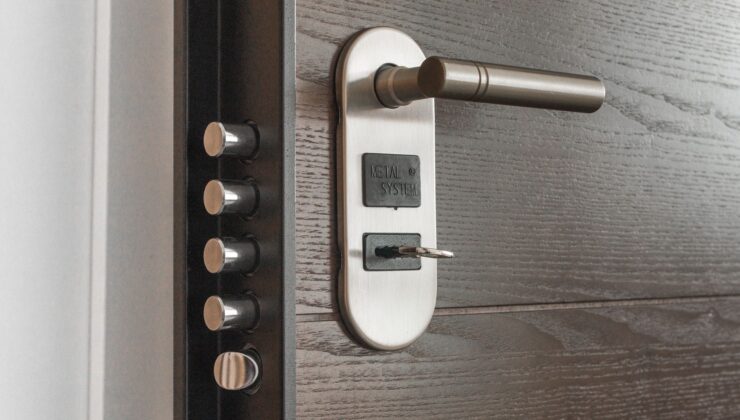
Most burglars are opportunistic and seek easy targets. This means that if you can make your home’s defence formidable, they’ll likely avoid it and move on.
Here are 6 upgrades you should look into if you want to significantly boost security and tip the odds in your favour.
-
British Standard Kitemarked Locks
If you look at the edge of your door lock, you might spot a small logo showing a tick inside a circle. This is the BSI Kitemark.
In the UK, the gold standard for residential security is BS3621. Locks that carry this certification have been independently tested to withstand various forms of aggressive attack, including drilling, picking, bumping, and snapping.
Criminals often scout properties, and they are trained to recognise the visual cues of high-security hardware.
A lock stamped with the British Standard Kitemark sends a clear message to an intruder: the mechanism inside has been reinforced to resist sustained physical force.
Because these locks are legally required to be pick-resistant and include a mechanism that ensures the bolt is fully thrown and locked, they make forced entry incredibly difficult.
If you currently have older locks that lack this mark, upgrading to a Kitemarked cylinder is the single most effective, low-cost step you can take to secure your home. It provides immediate reassurance that your door meets modern safety standards.
-
Anti-Snap Cylinder Technology
One of the most prevalent methods burglars use to target uPVC or composite doors is cylinder snapping.
Many standard cylinders found in older or budget-conscious installations have a deliberate weak point at the centre, specifically where the screw hole holds the cylinder in place.
By applying specific leverage and force with a simple tool, an intruder can snap the cylinder in half, exposing the internal locking mechanism and allowing them to manipulate the bolt directly with a screwdriver.
Anti-snap technology is a total game-changer because it addresses this specific mechanical vulnerability. These advanced cylinders are designed with a "sacrificial" cut or a hardened steel bar along the length of the cylinder.
If an attacker tries to apply pressure to the outside of the lock, the sacrificial part breaks off, while the rest of the cylinder—and, crucially, the cam—remains secure and immobile inside the door.
This leaves the door firmly locked and effectively neutralises the intruder's attempt within seconds, often forcing them to give up before they even get close to gaining entry.
-
High Security Strike Plates
A lock is only ever as strong as the frame it is attached to. You could have a state-of-the-art deadbolt, but if it is held in place by a flimsy, thin strike plate secured with short, half-inch screws, it will fail the moment someone puts a heavy shoulder to the door.
The strike plate is the metal piece attached to the door frame that receives the bolt.
Professional-grade strike plates are constructed from hardened steel and, most importantly, are installed with heavy-duty, long screws—usually three to four inches in length—that extend past the door jamb and deep into the wall's structural stud.
This turns the entire door frame into a unified, reinforced structure. Criminals avoid these setups because kicking in a door reinforced with high-security hardware requires immense force, creating a loud, echoing crash that would almost certainly alert neighbours or passersby.
When you combine this with the right locking mechanism, you create a combined defence that makes brute-force entry impossible.
-
Hardened Steel Deadbolts
A standard deadbolt is designed to retract and extend to secure the door, but not all deadbolts are created equal. If the bolt is made from soft alloy or basic brass, it can be cut, sheared, or bent under extreme pressure.
High-security deadbolts incorporate a core of hardened steel or include freely rotating pins inside the bolt itself. These features are specifically engineered to resist saw attacks.
If an intruder attempts to use a hacksaw or a compact power tool to cut through the bolt, the hardened material creates so much friction and resistance that the saw blade will dull or break before it makes any meaningful progress.
Furthermore, the rotating pins inside the bolt spin when a blade contacts them, making it impossible for the saw to find a fixed grip.
This level of hardware turns a potential break-in into a noisy, time-consuming endeavour that most burglars are unwilling to risk, as the noise attracts attention and the time taken increases the chance of being caught.
-
Picking And Bumping Resistant Mechanisms
Lock picking and "bumping" are techniques that allow an intruder to manipulate the pins inside a cylinder, causing it to turn without the correct key.
Bumping, in particular, involves inserting a specially cut "bump key" into the lock and striking it, which causes the internal pins to jump and briefly align, allowing the lock to turn. To counter this, advanced locks use complex internal pin arrangements.
These include security pins with mushroom or spool shapes that catch in the cylinder's internal chambers if picked, and telescopic pin systems that require more than one stage of alignment.
These features turn a process that takes a few seconds into one that requires high skill, specialised equipment, and significant time.
When an intruder encounters a lock that refuses to open through manual manipulation, they know that continuing the attempt will only increase the likelihood of being spotted. It shifts the dynamic from a quick heist to a slow, risky process that few are willing to undertake.
-
Restricted Keyways And Key Control
Physical strength is not the only way of entry. Unauthorised key duplication, for example, is also a significant, often overlooked security risk.
So, if you have standard, easily copyable keys, anyone who has had momentary access to your house keys—such as a visitor, a tradesperson, or a previous tenant—could theoretically get a copy made at a high-street shop without your knowledge.
Restricted keyways solve this entirely. These locks use keys that cannot be duplicated at a local store because the key blank itself is patent-protected. To get a new key, you must provide a specific security card or proof of ownership to an authorised dealer.
This eliminates the risk of someone having a "spare" for your abode without your knowledge. While this feature is primarily about preventing entry by those who previously had access to your home, it is a hallmark of a hardened security profile.
If you ever find yourself in a situation where you have lost your keys or need urgent access, searching for a reliable emergency locksmith in Croydon can help you secure your property by installing advanced restricted-access systems.
Conclusion
Remember, you don’t have to turn your home into a bunker. All you need is some strategic choices to bump up security, and you’ll have a very strong defence that deters most burglars successfully.
If you are unsure about the current state of your door hardware and which ones you actually need, it’s best to call in a professional locksmith for a quick assessment. That way, you can best protect your home and family, and also gain valuable peace of mind at the same time.