How Portable Samplers Simplify Environmental Monitoring
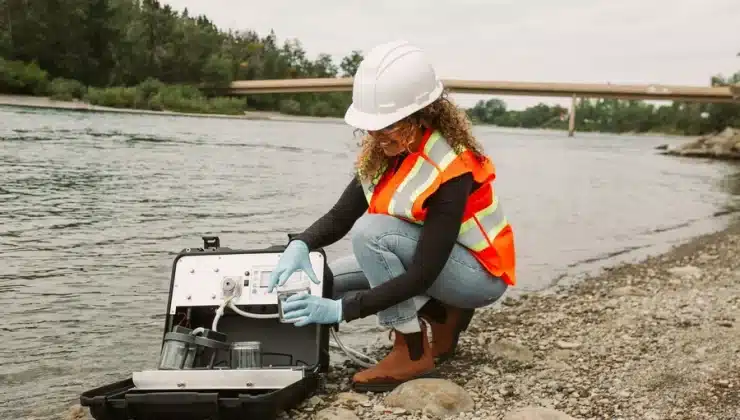
Environmental monitoring is an important step towards safeguarding the environment and ensuring it remains healthy while systems are operational. It is also crucial to keep civilians safe. The global rise in pollution and limited resources has led to an increasing demand for efficient solutions for environmental monitoring. In this context, portable samplers are quickly becoming invaluable tools for practical data collection. In this article, we read about how these devices enable expedited environmental monitoring, aiding researchers, industries, and communities.
Understanding Portable Samplers
Portable samplers are small devices specifically designed to collect samples from various sources, including air, water, and soil. They play a key role in data collection in multiple settings, from cities to rural and inaccessible areas. They are also portable and can be set up in the field, making transport easy. For instance, portable water and wastewater samplers are embedded with sensors and storage that can capture data safely and effectively.
Advantages of Using Portable Samplers
There are multiple advantages to using portable samplers. Firstly, they provide flexibility. Researchers can take these devices to different sites without needing much equipment to be set up. Such flexibility is important in remote areas where standard methods may be difficult to implement.
Secondly, portable samplers enhance efficiency. They allow for rapid data gathering, minimising the time needed in the field. That efficiency provides researchers with bandwidth to explore more options, expanding their research scope. It can be processed without delay, enabling immediate decisions.
Thirdly, these devices are cost-effective. Conventional monitoring tools typically entail substantial infrastructure and manpower costs. Portable samplers, on the other hand, are a cheaper alternative because they reduce the size of labour-intensive resources and manpower.
Applications in Various Fields
Portable samplers have various uses in environmental science. They evaluate air pollution, assess ecosystem health, and track changes over time. They help monitor air quality, understand pollutant levels, and suggest ways to improve it.
In the industrial sector, portable samplers help industries comply with regulations. Factories and plants use them to monitor emissions and ensure compliance with environmental standards, helping avoid penalties and maintain a favourable reputation.
Portable samplers also benefit agriculture. Farmers use them to study soil, which can help crop production. Based on soil characteristics, farmers can use this information to determine how much fertiliser or irrigation to apply.
Technological Features Enhancing Efficiency
The functionality of portable samplers has changed, and this is directly associated with technological advancement. If you’re looking for a new digital calliper, chances are there’s a version with a digital interface for easy data transfer to your PC and mobile device. Such connectivity enables real-time monitoring and remote access to data.
Other samplers utilise GPS technology to associate the exact location of each sample. This can help map environmental conditions, especially in large-scale studies. Moreover, these sensors can improve measurement quality, making them more accurate, and, for analysis purposes, they provide real-time or near-real-time data.
Challenges and Solutions
Portable samplers have many advantages, but they are not without challenges. Frequent maintenance may be required to keep it working well, which is one drawback. Manufacturer guidelines and regular checks can fulfil this prerequisite.
One more hurdle is the possibility of storage issues. These devices collect massive quantities of data, and data storage could be an issue. However, cloud technology offers online data storage and access, which is an asset-strapped alternative to hardware.
Future Prospects
Portable samplers are continuing to evolve for a bright future in environmental monitoring. Advancements in sensor technology and data analytics will further augment their capabilities. The increasing use and advancement of these devices will enhance their accuracy and efficiency.
The integration of artificial intelligence could also change how environmental monitoring is done. AI algorithms can analyse data patterns and establish logical links between trends and interventions. Having two tools at their disposal, researchers and decision-makers can take proactive measures to address environmental challenges.
Conclusion
They have essentially redefined what environmental data collection looks like, as portable samplers enable streamlined, data-agnostic field protocols. This versatility and ease of use make them indispensable tools across many fields, including environmental science, agriculture, and more. With the advancements in technology, these devices will remain the nucleus of protecting ecosystems and ensuring sustainable development in the years to come.